

Dias, Brian George
Associate Professor of Developmental Neuroscience & Neurogenetics
Our research seeks to understand not only how mammalian neurobiology, physiology and reproductive biology is impacted by psychosocial and nutritional stress but also how parental legacies of such stressors influence offspring. To achieve this understanding, we employ a lifespan approach to study how stressors affect: sperm/egg/embryo (pre-conceptional stress), the gestating fetus (in utero stress), and the developing infant (post-natal stress). Our experimental approaches include assaying learning-memory-motivation, virus-mediated manipulation of neuronal activity and gene expression, (epi)genetic profiling of cells, in vivo fiber photometry and induced pluripotent stem cells (iPSCs).

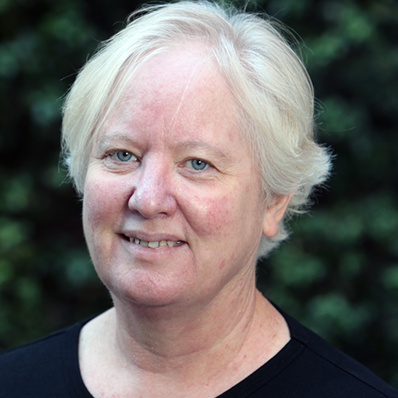
Eagleson, Kathie
Associate Professor of Research Pediatrics and Neurology
Research projects investigate the development of brain architecture that controls social-emotional behavior and learning, and how early life experiences impact neurodevelopment. Genetic and environmental factors that regulate circuit and synapse formation are studied at the molecular and circuit level, using single cell and bulk RNA sequencing, viral circuit tracing, and multiplex in-situ hybridization. Preclinical mouse models use exposure to early adverse experiences to study age- and sex- specific mitochondrial adaptations that impact the emergence of cognitive, social and emotional behaviors across the lifespan.
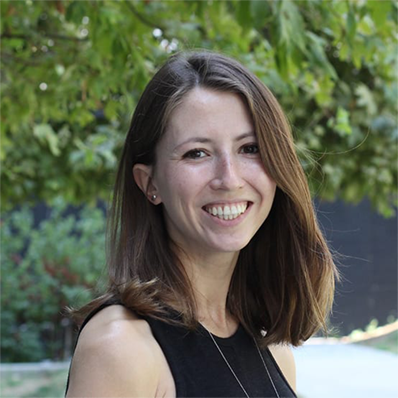
Gnedeva, Ksenia
Our perception of the environment relies on specialized cellular receptors residing in epithelial sensory organs. While olfactory and gustatory receptor cells are naturally reproduced throughout life in order to sustain the senses of smell and taste, age-related degeneration of retinal, auditory, and vestibular sensory organs is largely irreversible in humans. In the Gnedeva laboratory, we interrogate how molecular signaling and tissue mechanics control embryonic sensory organ growth and how the developmental programs of self-renewal and differentiation can be re-initiated in the mammalian inner ear after damage. Although the focus of our research is on hearing and balance restoration, our lab has broader interest in the common mechanisms that suppress regeneration in specialized sensory tissues.

Humayun, Mark
Professor of Ophthalmology, Stem Cell Biology and Regenerative Medicine and Biomedical Engineering
Retinal research to restore vision using bioelectronics and stem cells
Ichida, Justin
Associate Professor of Stem Cell Biology and Regenerative Medicine
We are interested in understanding mechanisms underlying neurodegenerative and neurodevelopmental diseases. We also aim to develop new therapeutic strategies for these disorders.

Irimia, Andrei
Andrei Irimia, PhD, is a biogerontologist and computational neurobiologist studying the effects of genetic, epigenetic, and environmental factors on brain aging. His laboratory uses interpretable deep learning, genomics, and brain imaging to identify and characterize novel risk factors for Alzheimer’s disease and related dementias (ADRD). He also studies accelerated aging, neurovascular calcification, and brain injury as risk factors for ADRD.