


Eich, Teal
Associate Professor of Gerontology
My research centers on understanding sex differences in the cognitive and neural mechanisms underlying learning and memory changes in healthy and pathological aging, with a particular focus on Alzheimer’s disease. My lab uses a combination of cognitive, biobehavioral (biomarkers, endocrine profiles), and neuroimaging (structural, spectroscopic, and functional) to understand memory and executive function in normal aging, and seeks to translate these empirical and theoretical findings to model cognitive disorders in psychopathologic and neurodegenerative diseases, where high level cognitive failures can be particularly deleterious both for the individual and society at large.

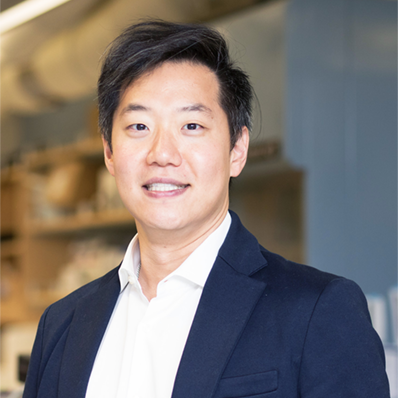
Lee, Changhan David
Associate Professor of Gerontology
The Lee Lab investigates how metabolism regulates aging and age-related diseases, including Alzheimer’s, with a focus on mitochondrial communication. Traditionally viewed as end-stage organelles, mitochondria are now recognized as active signaling hubs. We study newly discovered bioactive microproteins encoded in the mitochondrial genome—particularly within the 12S rRNA region—that act as innate signals influencing cell and organismal physiology. These microproteins function both within and between cells and may serve as mitochondrial longevity genes and therapeutic targets. Our work bridges molecular biology and whole-organism physiology to uncover how mitochondria influence aging from within. Students interested in metabolism, mitochondrial biology, and translational aging research will find rich opportunities here.