
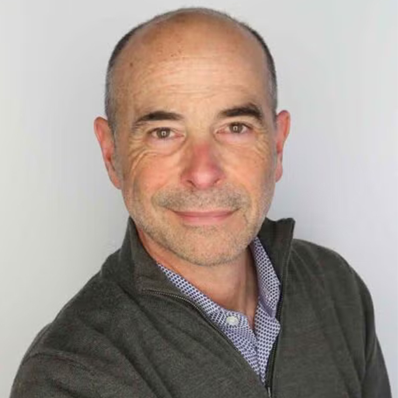
Mintz, Toby
Professor of Psychology and Linguistics
My general research interests are in the cognitive mechanisms that underlie language acquisition. Ongoing and completed projects investigate the mechanisms by which infants detect words in fluent speech, how infants and very young children acquire fundamental syntactic knowledge about the language they are learning, and how toddlers learn the meanings of novel words. These research programs are connected by a common question about the nature of the mechanisms that give rise to linguistic abilities, and the effects of environmental input on these mechanisms.


Monterosso, John
Associate Professor of Psychology
Our lab is primarily focused on decision-making, especially in the context of addiction and obesity. We use self-report, behavior, and fMRI. Our lab is currently (through 2028) participating in USC’s Tobacco Center of Regulatory Science (supported by NIH & FDA).

Nastase, Samuel
Assistant Professor of Psychology
The core questions driving my research are “What is shared between individual brains?” and “How do we share our thoughts with one another?”—using language and other coordinated actions. My research combines naturalistic neuroimaging paradigms (fMRI, ECoG) and deep neural networks to better answer these questions in real-world contexts. In current work, we leverage large language models to better understand how humans use language to transmit complex thoughts from one brain to another.

Petzinger, Giselle
Associate Professor of Neurology (Clinical Scholar)
Dr. Giselle M. Petzinger is a Movement Disorders Specialist and neuroscientist in the department of neurology at USC Keck School of Medicine. Her training includes MD at USC, Neurology Residency at Yale, Fellowship at Columbia University and experimental therapeutics at the Parkinson’s Institute in the bay area. Her research involves animal models and clinical studies to investigate lifestyle on cognitive/motor function and synaptic plasticity in frontal-striatal and cerebellum circuits. Other studies include investigating the relationship between motor performance and cognitive function and related circuitry in PD and the role of compensation using behavioral, neuroimaging and neurophysiologic metrics. Her work also focuses on understanding neuro-energetic mechanisms of synaptic plasticity in PD focused on mitochondrial function and L-Lactate.
Piray, Payam
Assistant Professor of Psychology
How do people make sense of incomplete and noisy observations? How do humans make decisions in an uncertain world and how do they learn from their mistakes? We investigate these problems in health and disease using computational and experimental tools.

Read, Stephen J.
Mendel B. Silberberg Professor of Social Psychology and Professor of Psychology
The lab is interested in the neurobiological, motivational, and cognitive bases of human social behavior. A major focus of the lab is the use of computational models (neural network models) and current neurobiological findings and methods to illuminate various aspects of human social thought and behavior. We are especially interested in the integration of computational models with behavioral and neurobiological findings. The lab addresses a number of central topics in human social reasoning and behavior, motivation, depression, and decision-making.