


Kim, Hosung
The Neuroimaging with Deep Learning Lab (NIDLL) focuses on developing and applying advanced artificial intelligence methods to understand brain health, aging, and disease. Our research integrates multimodal neuroimaging, biosignals, and longitudinal clinical data to characterize individual variability in brain structure and function across the lifespan. A central theme of the lab is the use of deep learning and data-driven modeling to derive biologically meaningful markers—such as regional brain age and system-level brain health indices—that can predict clinical outcomes and treatment response. A major emphasis of NIDLL is on sleep, cerebrovascular function, and the glymphatic system as key modulators of brain aging and neurodegeneration. We develop MRI-based metrics to quantify perivascular spaces, cerebrospinal fluid dynamics, and glymphatic function, and study how their disruption relates to poor sleep quality, accelerated brain aging, and neurodegenerative processes. These methods are applied across diverse populations and neurological conditions, including Alzheimer’s disease, Parkinson’s disease, stroke, epilepsy, and sleep disorders, with the goal of identifying early, noninvasive biomarkers of disease vulnerability and progression. Ultimately, NIDLL aims to bridge computational neuroscience and translational medicine by building predictive models that support precision diagnosis and personalized intervention. By combining large-scale neuroimaging datasets, longitudinal designs, and interpretable AI, our work seeks to inform clinical decision-making and optimize therapeutic strategies for neurological and sleep-related disorders. The lab is led by Dr. Hosung Kim, who mentors trainees and collaborators in developing rigorous, impactful research at the intersection of neuroimaging, artificial intelligence, and brain health. We welcome you to join the lab and participate in our valuable research.


Kircanski, Katharina
The Multi-method Emotion Science and Outreach (MESO) Lab integrates affective and cognitive neuroscience, clinical science, and quantitative methods to study mechanisms of mood and anxiety disorders. We are particularly interested in parsing shared vs. specific mechanisms of symptoms that manifest across childhood and adolescence. Our research utilizes a multi-modal approach that includes fMRI, behavioral paradigms, and ecological momentary assessment (EMA).


Lee, Darrin Jason
The focus of my laboratory is to explore the underlying mechanisms and potential of neuromodulation for cognitive dysfunction and psychiatric disorders, such as Alzheimer’s disease, Parkinson’s disease, epilepsy, depression, obsessive compulsive disorder and schizophrenia. Specifically, we utilize multiple depth electrode local field potential recordings and functional ultrasound imaging to evaluate simultaneous electrophysiology, cerebral blood flow and functional connectivity in these disorders. Using these tools, our goal is to better understand the underlying pathophysiology and optimize our neuromodulation strategies. Our aim is to translate our preclinical findings into clinically relevant neuromodulation treatments. My clinical research is focused on evaluating potential new indications and targets for neuromodulation, such as deep brain stimulation (DBS), spinal cord stimulation and focused ultrasound.

Liew, Sook-Lei
Associate Professor of Biokinesiology and Physical Therapy
The overall mission of the laboratory is to enhance neural plasticity in a wide population of individuals in order to improve their quality of life and engagement in meaningful activities. We particularly focus on individuals with stroke using big data neuroimaging approaches, along with noninvasive brain stimulation and brain computer interfaces.
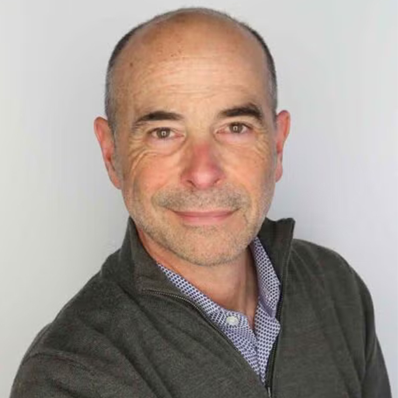
Mintz, Toby
Professor of Psychology and Linguistics
My general research interests are in the cognitive mechanisms that underlie language acquisition. Ongoing and completed projects investigate the mechanisms by which infants detect words in fluent speech, how infants and very young children acquire fundamental syntactic knowledge about the language they are learning, and how toddlers learn the meanings of novel words. These research programs are connected by a common question about the nature of the mechanisms that give rise to linguistic abilities, and the effects of environmental input on these mechanisms.

Monterosso, John
Associate Professor of Psychology
Our lab is primarily focused on decision-making, especially in the context of addiction and obesity. We use self-report, behavior, and fMRI. Our lab is currently (through 2028) participating in USC’s Tobacco Center of Regulatory Science (supported by NIH & FDA).