


Piray, Payam
Assistant Professor of Psychology
How do people make sense of incomplete and noisy observations? How do humans make decisions in an uncertain world and how do they learn from their mistakes? We investigate these problems in health and disease using computational and experimental tools.


Read, Stephen J.
Mendel B. Silberberg Professor of Social Psychology and Professor of Psychology
The lab is interested in the neurobiological, motivational, and cognitive bases of human social behavior. A major focus of the lab is the use of computational models (neural network models) and current neurobiological findings and methods to illuminate various aspects of human social thought and behavior. We are especially interested in the integration of computational models with behavioral and neurobiological findings. The lab addresses a number of central topics in human social reasoning and behavior, motivation, depression, and decision-making.

Rouhani, Nina
Assistant Professor of Psychology
The Interactive Cognition Lab uses an interdisciplinary framework, drawing from computational neuroscience, cognitive science and psychology, to uncover how learning and memory processes guide individual and interactive behavior in the laboratory and real world.
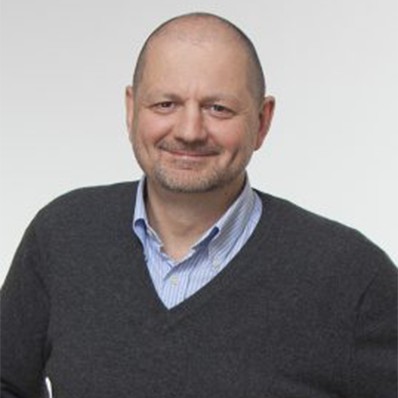
Schweighofer, Nicolas
Professor of Biokinesiology and Physical Therapy
Nicolas Schweighofer is a professor of biokinesiology and physical therapy and holds joint appointments in computer science, biomedical engineering and neuroscience at USC. He is also the director of the Center for Statistics and Computation in Biokinesiology. He co-founded computational neurorehabilitation, an emerging field at the intersection of neurorehabilitation, computational neuroscience, motor control and learning, and artificial intelligence (AI). The overarching goals of computational neurorehabilitation are to understand and to further improve motor recovery following neurologic injury by mathematically modeling and simulating the neural processes underlying the change in behavior due to rehabilitation. In his current research, he is investigating how predictive models of recovery, informed by the neuroscience of stroke recovery and motor learning, as well as large datasets, can provide the basis for AI methods that suggest timing, dosage and content of rehabilitation. Such an approach will transform neurorehabilitation by guiding clinicians, patients and healthcare providers in the optimization of treatments via precision rehabilitation.

Valadez, Emilio
Assistant Professor of Psychology
Our lab focuses on understanding how early risk factors, such as temperament and early adversity, confer risk for future emotional problems among children and adolescents. More specifically, we are interested in how executive functions (assessed with a combination of behavioral, EEG, and MRI measures) moderate the psychiatric impact of early-life risk factors. Three interrelated questions spanning basic and translational work guide our research: 1) How are executive functions supported by the brain? 2) How do early risk factors alter the development of executive functions? 3) How do executive functions interact with early risk to modulate psychiatric outcomes? Ultimately, our work aims to better understand basic cognitive and developmental processes to identify novel target mechanisms for intervention.

Wood, Ruth
Professor of Integrative Anatomical Sciences
My research uses rodent models to study behavioral neuroendocrinology, how hormones act in the brain during development and in adulthood to control behavior in males and females. My emphasis is on hormonal control of cognition, cooperative behavior, and reward. Current research addresses how oxytocin promotes cooperation, and how anabolic steroid abuse impairs cognition.