
Tabbaa, Manal
Research in the Tabbaa lab leverages genetically diverse mouse genetic reference panels to model individual differences in complex behaviors and susceptibility to a high-confidence autism risk gene. The goal of these projects is to better model genetically diverse populations in mice in order to address the challenging issue of developmental heterogeneity and genetic risk factor susceptibility in human neurodevelopmental disorders.

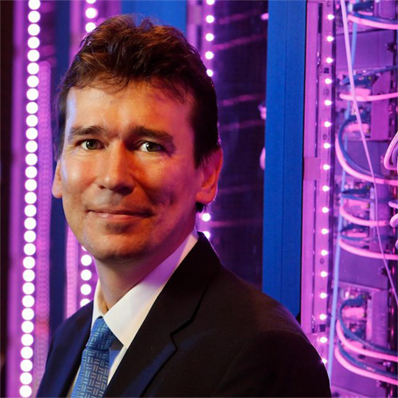
Thompson, Paul
Paul Thompson is a Professor in the Keck School of Medicine of USC. His team’s research projects focus on the neuroscience, mathematics, computer science, software engineering and clinical aspects of neuroimaging and brain mapping. Honored with the 2023 Pioneer in Medicine Award of the Society of Brain Mapping and Therapeutics, and the U.S. Alzheimer Association’s Zenith Award, Paul Thompson directs the ENIGMA Consortium, a global alliance of 2500 scientists in 47 countries who conduct the largest studies of 30 major brain diseases – ranging from Parkinson’s disease, anorexia, schizophrenia, depression, ADHD, bipolar illness and OCD, to HIV and addictions and their effects in the brain. ENIGMA’s genomic screens of over 70,000 people’s brain scans and genome-wide data (published in Nature Genetics, 2012; Nature, 2015; Science, 2020) have brought together experts from 300 institutions to unearth over 500 genetic variants that affect brain structure, disease risk, and brain connectivity. At USC, Dr. Thompson is a Professor of Neurology, Psychiatry, Radiology, Pediatrics, Engineering, and Ophthalmology, and Director of the ENIGMA Center for Worldwide Medicine, Imaging & Genomics – a $11M NIH Center of Excellence in Big Data Computing. Using worldwide medication screens, ENIGMA discovers factors that affect progression of Alzheimer’s disease and other dementias, schizophrenia, depression and childhood brain disorders. Dr. Thompson also directs AI4AD – an $18M NIH Initiative on AI methods to accelerate Alzheimer’s disease research, discovering novel treatment targets; he directs the India ENIGMA Initiative – large-scale study of brain aging in India. He directs the USC Imaging Genetics Center – a group of 50 scientists in Marina del Rey. His team created the first maps of Alzheimer’s disease and schizophrenia spreading in the living brain, and a method to track brain growth in children. Dr. Thompson has an M.A. in mathematics and Greek and Latin Languages from Oxford University, and a PhD in neuroscience from UCLA.
Wang, Lu
Assistant Professor of Dentistry
Our lab aims to push the boundary of our understanding of human brain in development and related disorders with discoveries focused on non-neuronal cells, environmental stress, and genetic mutations, leveraging the stem cell-based organoid/PCCO-assembled model in combination with the state-of-art genetic and genomic (single cell level) strategies to expand our knowledge of the cell-cell communication, fate dynamics, and niche homeostatic of the non-neuronal cells (astrocytes and pericytes) in health, and emergency rescue when they are under stress or in disease. Ultimately, our collective efforts, alongside those of others in the field, will pave the way for groundbreaking interventions in the realm of neurological disease.
Zhao, Zhen
Assistant Professor of Physiology & Neuroscience
I received my Ph.D. in neuroscience from the University of Southern California (USC) in 2009, continued my journey at USC as a postdoctoral fellow in 2010, and was promoted to tenure-track assistant professor at in 2017. My scientific training and research expertise covers neurosciences and immunology, as I was mentored by several renowned mentors in these fields, particularly Dr Berislav Zlokovic on blood-brain barrier and neurodegenerative diseases. Currently, my main research objective is to explore the genetic, molecular and cellular mechanisms of neurodegeneration, understand the crosstalk between the cell types of the brain and explore new approaches to restore the functional crosstalk for the treatment of neurodegenerative diseases.