

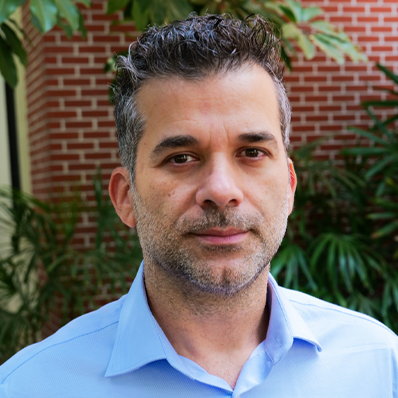
Christopoulos, Vasileios
Assistant Professor of Biomedical Engineering
Prof. Christopoulos' research focuses on understanding the neural mechanisms underlying higher-order cognitive functions, such as decision-making, motor learning, and motor control. In recent years, he has expanded his research to include clinical studies on patients with brain and spinal cord injuries. His work encompasses intracortical Brain-Machine Interface research in individuals with tetraplegia and the use of functional ultrasound imaging in patients undergoing surgery for brain and spinal cord disorders. His innovative research aims to bridge the gap between basic neuroscience and clinical applications, contributing to advancements in neurotechnology and neurorehabilitation.


Liew, Sook-Lei
Associate Professor of Biokinesiology and Physical Therapy
The overall mission of the laboratory is to enhance neural plasticity in a wide population of individuals in order to improve their quality of life and engagement in meaningful activities. We particularly focus on individuals with stroke using big data neuroimaging approaches, along with noninvasive brain stimulation and brain computer interfaces.

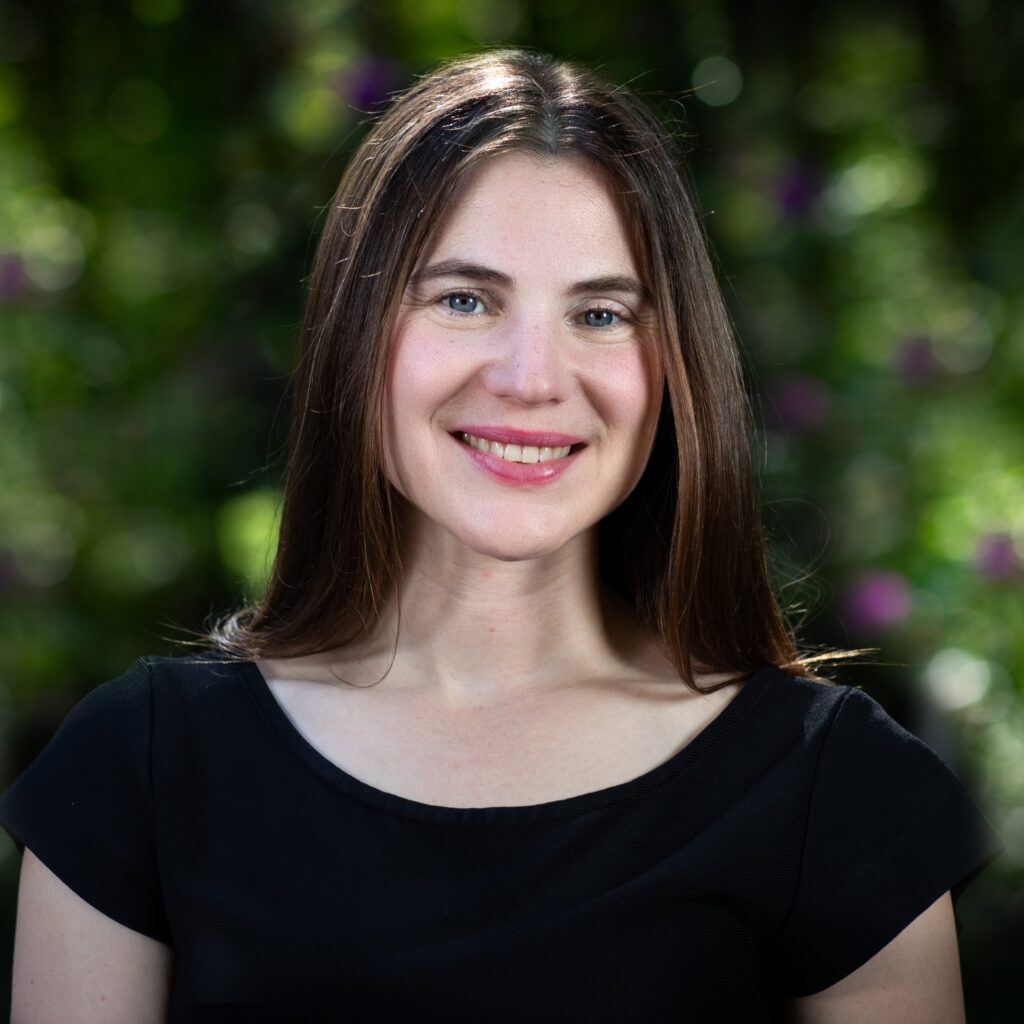
Matho, Katherine
How do developmental and genetic programs build brain circuits for complex behavior? My lab investigates this question by integrating developmental neuroscience, molecular genetics, and multi-scale circuit mapping to study cortical sensorimotor circuits underlying goal-directed actions and perception. Using interdisciplinary approaches, such as gene knockin mouse lines and single cell profiling, we examine how neuronal identity and connectivity emerge during development. Our goal is to uncover the molecular and developmental logic of circuit assembly in neurotypical development and how the key building blocks that make up the circuits—cell types—are disrupted in neurodevelopmental disorders. We hypothesize that a temporal patterning program during pregnancy specifies neuron subtype and wiring, shaping sensorimotor function in the mature brain.
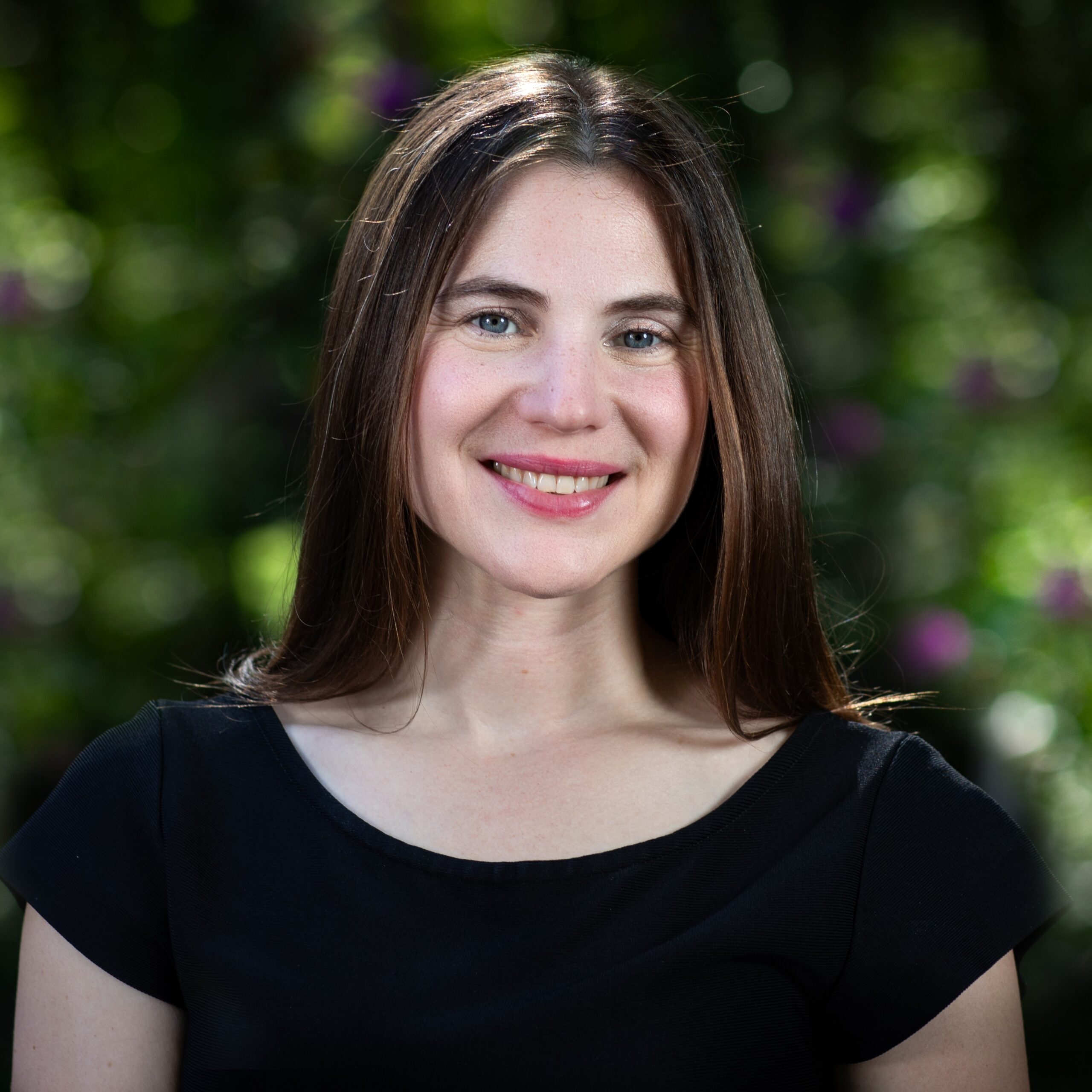

Moore, Jeffrey
Assistant Professor of Biological Sciences
Many mammals sense and affect their environment predominantly through innate motor programs for exploration, social interaction, and ingestion; yet, little is known about the neuronal circuits that control these motor programs. Our lab uses molecular, systems, and computational neurobiological techniques to identify specific brainstem motor control modules and to determine how higher-order brain structures engage these modules for innate behaviors.
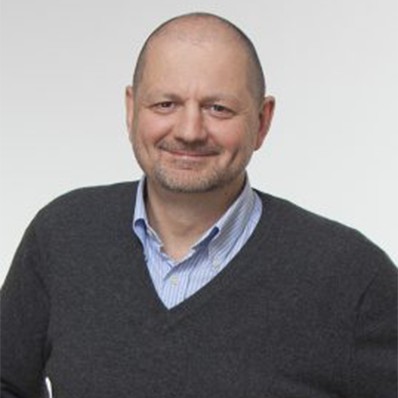
Schweighofer, Nicolas
Professor of Biokinesiology and Physical Therapy
Nicolas Schweighofer is a professor of biokinesiology and physical therapy and holds joint appointments in computer science, biomedical engineering and neuroscience at USC. He is also the director of the Center for Statistics and Computation in Biokinesiology. He co-founded computational neurorehabilitation, an emerging field at the intersection of neurorehabilitation, computational neuroscience, motor control and learning, and artificial intelligence (AI). The overarching goals of computational neurorehabilitation are to understand and to further improve motor recovery following neurologic injury by mathematically modeling and simulating the neural processes underlying the change in behavior due to rehabilitation. In his current research, he is investigating how predictive models of recovery, informed by the neuroscience of stroke recovery and motor learning, as well as large datasets, can provide the basis for AI methods that suggest timing, dosage and content of rehabilitation. Such an approach will transform neurorehabilitation by guiding clinicians, patients and healthcare providers in the optimization of treatments via precision rehabilitation.