
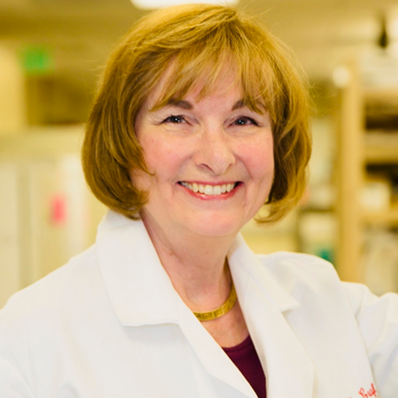
Craft, Cheryl Mae
My well established vision research program encompasses my passion for discovery and deciphering rod and cone phototransduction mechanisms in health and disease using animal models for retinal degeneration. Throughout my academic career my research discoveries identified key genes in the pineal and retina, including arrestins to maintain normal high acuity vision. Currently, my personal goals include developing alternative therapeutic rescue treatment strategies with replacement gene therapy and in vitro stem cell technology. With Cobrinik and collaborators, we identified key developmental cone regulators controlling retinoblastoma genesis. I strongly believe in the importance of mentoring vision and clinician scientists and providing medical ethical training doctoral and medical students, and society.

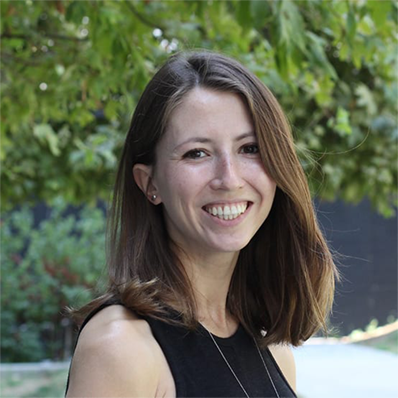
Gnedeva, Ksenia
Our perception of the environment relies on specialized cellular receptors residing in epithelial sensory organs. While olfactory and gustatory receptor cells are naturally reproduced throughout life in order to sustain the senses of smell and taste, age-related degeneration of retinal, auditory, and vestibular sensory organs is largely irreversible in humans. In the Gnedeva laboratory, we interrogate how molecular signaling and tissue mechanics control embryonic sensory organ growth and how the developmental programs of self-renewal and differentiation can be re-initiated in the mammalian inner ear after damage. Although the focus of our research is on hearing and balance restoration, our lab has broader interest in the common mechanisms that suppress regeneration in specialized sensory tissues.

Hayes-Larson, Eleanor
Assistant Professor of Gerontology
Eleanor Hayes-Larson is an epidemiologist whose research program integrates social, psychiatric, and neuroepidemiology with advanced statistical methods to understand drivers of cognitive decline and dementia incidence and disparities. Her work takes a lifecourse perspective to examine psychosocial determinants of Alzheimer’s disease and related dementias in diverse populations, with an emphasis on groups historically underrepresented in research. A main line of her research seeks to evaluate the impact of traumatic stress across the lifecourse on cognitive decline, dementia, and neuroimaging biomarkers. In addition, she has a line of methodological research, including both statistical simulation studies and empirical data analysis, that focuses on improving statistical tools for causal inference and generalizability of findings in cognitive aging research.

Holschneider, Daniel P.
Professor of Psychiatry & the Behavioral Sciences
Our laboratory focuses on brain imaging in awake, behaving rodents. We use classic methods like autoradiography and positron emission tomography, along with histologic approaches and 3D brain reconstruction. We have been amongst the first to adapt analytic methods that are part of the human functional neuroimaging toolbox (statistical parametric mapping, functional connectivity, network analysis) to autoradiographic and histologic whole brain data sets. This enables voxel-based exploration of cerebral function in models of dopaminergic deafferentation, Huntington’s Disease, brain injury, fear, stress, hyperalgesia, gut microflora alterations, and chemogenetic knockdown. Our expertise includes functional brain mapping, animal behavior, physiologic monitoring (EEG, EMG, EKG, cardiac output), and histochemistry.
Humayun, Mark
Professor of Ophthalmology, Stem Cell Biology and Regenerative Medicine and Biomedical Engineering
Retinal research to restore vision using bioelectronics and stem cells
Ichida, Justin
Associate Professor of Stem Cell Biology and Regenerative Medicine
We are interested in understanding mechanisms underlying neurodegenerative and neurodevelopmental diseases. We also aim to develop new therapeutic strategies for these disorders.