

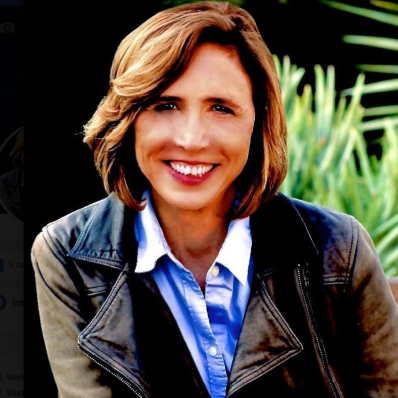
Petzinger, Giselle
Associate Professor of Neurology (Clinical Scholar)
Dr. Giselle M. Petzinger is a Movement Disorders Specialist and neuroscientist in the department of neurology at USC Keck School of Medicine. Her training includes MD at USC, Neurology Residency at Yale, Fellowship at Columbia University and experimental therapeutics at the Parkinson’s Institute in the bay area. Her research involves animal models and clinical studies to investigate lifestyle on cognitive/motor function and synaptic plasticity in frontal-striatal and cerebellum circuits. Other studies include investigating the relationship between motor performance and cognitive function and related circuitry in PD and the role of compensation using behavioral, neuroimaging and neurophysiologic metrics. Her work also focuses on understanding neuro-energetic mechanisms of synaptic plasticity in PD focused on mitochondrial function and L-Lactate.

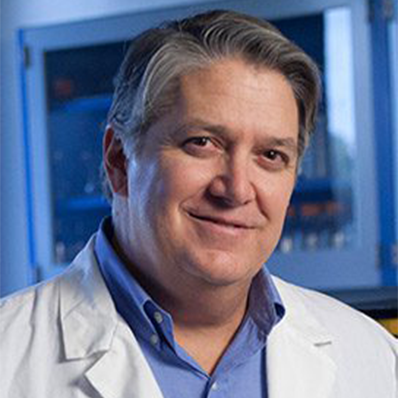
Pike, Christian
Research in the Pike Lab is broadly focused on Alzheimer’s disease (AD), with the general goals of elucidating factors that regulate AD pathogenesis and pursuing translational strategies for the prevention and treatment of the disease. Our approach to investigating research questions involves the use of complementary cellular, biochemical and molecular techniques to analyze relationships in human tissues, rodent models, and cultured cells. Current areas of research focus in the Pike Lab include the contributions of the genetic risk factor APOE4 to AD pathogenesis, sex differences in AD, and the protective efficacy of longevity-promoting interventions including fasting mimicking diet and candidate compounds. We seek to identify and elucidate the mechanisms underlying AD risks and use this information to develop therapeutic interventions.
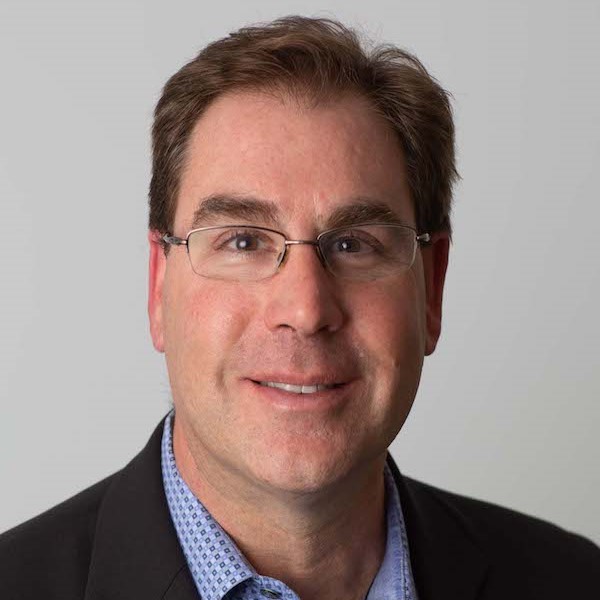
Rissman, Robert
Professor of Physiology and Neuroscience
Dr. Rissman is Professor Physiology and Neuroscience and founding Director of the Neuroscience Translational Research Division (NTRD) of USC’s Alzheimer’s Therapeutic Research Institute in San Diego. Dr. Rissman’s basic science research goal is to identify and validate plasma biomarkers for Alzheimer’s Disease and Related Disorders (ADRD) to better understand mechanisms of neurodegeneration and to streamline clinical trials recruitment. Work from Dr. Rissman’s lab has led to the validation of plasma biomarkers that predict AD brain neuropathology and progression of dementia. Also, through analysis of plasma-derived extracellular vesicles, his group was the first to demonstrate that TDP-43 protein within astrocyte extracellular vesicles can identify Limbic-predominant age-related TDP-43 encephalopathy (LATE).
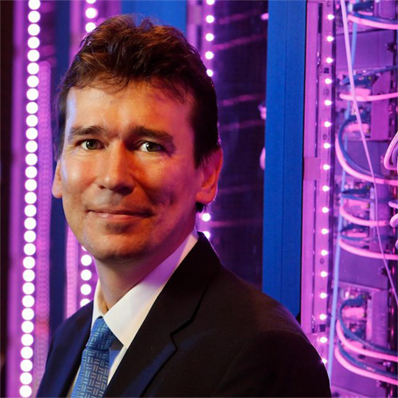
Thompson, Paul
Paul Thompson is a Professor in the Keck School of Medicine of USC. His team’s research projects focus on the neuroscience, mathematics, computer science, software engineering and clinical aspects of neuroimaging and brain mapping. Honored with the 2023 Pioneer in Medicine Award of the Society of Brain Mapping and Therapeutics, and the U.S. Alzheimer Association’s Zenith Award, Paul Thompson directs the ENIGMA Consortium, a global alliance of 2500 scientists in 47 countries who conduct the largest studies of 30 major brain diseases – ranging from Parkinson’s disease, anorexia, schizophrenia, depression, ADHD, bipolar illness and OCD, to HIV and addictions and their effects in the brain. ENIGMA’s genomic screens of over 70,000 people’s brain scans and genome-wide data (published in Nature Genetics, 2012; Nature, 2015; Science, 2020) have brought together experts from 300 institutions to unearth over 500 genetic variants that affect brain structure, disease risk, and brain connectivity. At USC, Dr. Thompson is a Professor of Neurology, Psychiatry, Radiology, Pediatrics, Engineering, and Ophthalmology, and Director of the ENIGMA Center for Worldwide Medicine, Imaging & Genomics – a $11M NIH Center of Excellence in Big Data Computing. Using worldwide medication screens, ENIGMA discovers factors that affect progression of Alzheimer’s disease and other dementias, schizophrenia, depression and childhood brain disorders. Dr. Thompson also directs AI4AD – an $18M NIH Initiative on AI methods to accelerate Alzheimer’s disease research, discovering novel treatment targets; he directs the India ENIGMA Initiative – large-scale study of brain aging in India. He directs the USC Imaging Genetics Center – a group of 50 scientists in Marina del Rey. His team created the first maps of Alzheimer’s disease and schizophrenia spreading in the living brain, and a method to track brain growth in children. Dr. Thompson has an M.A. in mathematics and Greek and Latin Languages from Oxford University, and a PhD in neuroscience from UCLA.
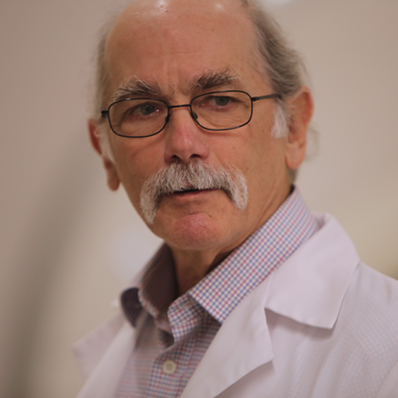
Toga, Arthur
see websites
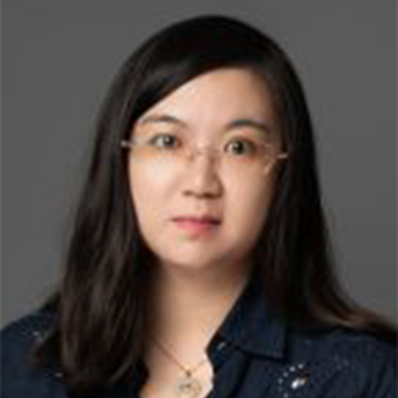
Wang, Lu
Assistant Professor of Dentistry
Our lab aims to push the boundary of our understanding of human brain in development and related disorders with discoveries focused on non-neuronal cells, environmental stress, and genetic mutations, leveraging the stem cell-based organoid/PCCO-assembled model in combination with the state-of-art genetic and genomic (single cell level) strategies to expand our knowledge of the cell-cell communication, fate dynamics, and niche homeostatic of the non-neuronal cells (astrocytes and pericytes) in health, and emergency rescue when they are under stress or in disease. Ultimately, our collective efforts, alongside those of others in the field, will pave the way for groundbreaking interventions in the realm of neurological disease.