

Arnold, Don
Professor of Biological Sciences
The Arnold lab develops molecular tools for studying and manipulating neural circuits. We have developed novel recombinant probes known as FingRs, which label synaptic proteins such as PSD95, Gephyrin, and CamKii with high fidelity without causing off-target effects. We have used FingRs to visualize the formation of memories in larval zebrafish. These probes can also be used to ablate synapses, leading to functional disruption of neural circuits in a fast, efficient, and reversible manner. More recently, we developed ATLAS, a protein that mediates anterograde tracing of neural circuits from genetically determined neurons. We believe that ATLAS and its variants for tracing neuromodulatory circuits will be powerful tools for observing and manipulating neural circuits in the context of living organisms.

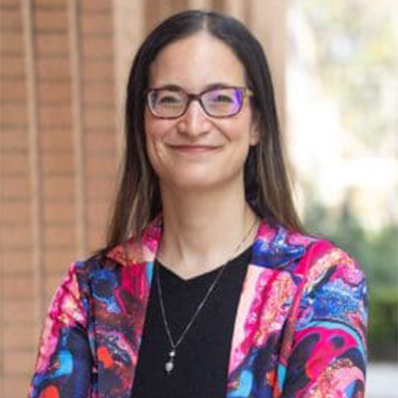
Benayoun, Berenice
Associate Professor of Gerontology, Biological Sciences and Cancer Biology
My lab has been excited to explore understudied influences (specifically biological sex and reproductive status) on gene regulation across key biological systems including the aging brain, with a special interest for innate immunity (e.g. neutrophils, macrophages, microglia), and how these inputs lastingly influence vertebrate health. Sex-dimorphic processes can have a major and lasting influence on somatic health, yet, this exciting question is still dramatically understudied, with few studies looking at the influence of biological sex as a focal point of interest, thus ignoring a major contributor to health disparities in human populations.


Bienkowski, Michael
Assistant Professor of Physiology and Neuroscience and Biomedical Engineering
Our lab investigates brain cell types, their susceptibility to disease, and how biomedical treatments can slow or prevent neurodegeneration. We have a wide variety of collaborative research projects using animal models of retinal diseases and Alzheimer’s disease (mice, rats, rabbits) as well as studies in post-mortem human samples. We use cutting-edge multidisciplinary approaches to characterize brain cell types and their neurodegeneration including viral tract tracing connectomics, spatial transcriptomics, 3D neuronal reconstruction, and digital pathology/machine learning.

Boato, Francesco
The Functional Repair and Axonogenesis (FRA) lab investigates how the central nervous system (CNS) is wired during development and how these pathways can be reactivated and modulated to promote repair after injury, particularly in the spinal cord and optic nerve. We study growth pathways, axon guidance cues, and neuron-glia interactions that shape connectivity in the CNS. By combining genetic, molecular, behavioral and advanced imaging approaches, we examine neuronal migration, synaptogenesis, and responses to injury. Our goal is to uncover fundamental mechanisms that can be leveraged to drive regeneration, circuit formation and functional recovery in neurological disorders. Trainees will join a collaborative, interdisciplinary environment and will gain experience at the interface of developmental neurobiology and CNS regeneration.

Bonaguidi, Michael
Associate Professor of Stem Cell and Regenerative Medicine
Cognitive impairment (CI) is a burdensome neurological condition that occurs during aging, Alzheimer’s disease (AD), and is a common co-morbidity in many neurodegenerative diseases, including epilepsy. Unfortunately, CI prevalence continues to accelerate due to population aging and emerging therapies only slows CI by a few months. Our research seeks to develop regenerative medicine and provide longer-lasting benefits to CI through brain restoration. We are establishing endogenous brain regeneration as a therapeutic approach for CI in pre-clinical animals and people by (1) investigating neural stem cell behavior in aging, AD and epilepsy, (2) developing computational/AI drug discovery tools for precision medicine to treat CI, and (3) partnering with physicians for human research and clinical trials to translate our findings.
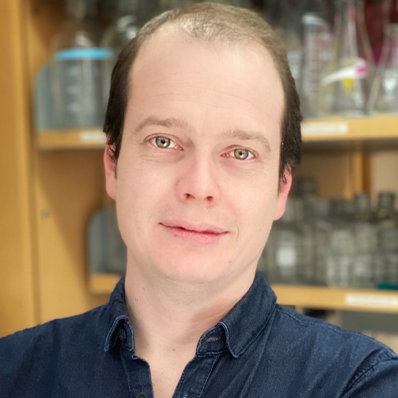
Borner, Tito
Assistant Professor of Biological Sciences
The whole of his research career focuses on deepening our understanding of how nerve cells control food intake under both normal physiological conditions and when conditions go awry, such as when disease sets in. His overarching research goal is to investigate and identify the components and pathways within the central nervous system that mediate anorexia (loss of appetite), nausea, vomiting (emesis), and weight loss in pre-clinical models. This exploration focuses on understanding how these symptoms manifests after various diseases and, importantly, how they can be prevented, which special emphasis on chronic conditions such as cancer and diabetes.