
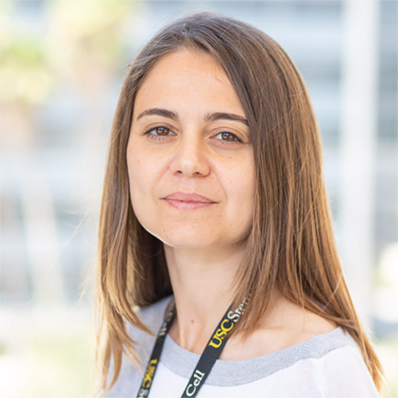
Quadrato, Giorgia
Associate Professor of Stem Cell Biology and Regenerative Medicine
The Quadrato lab focuses on understanding the cellular and molecular basis of human brain development and mental disorders. We seek to produce meaningful work that advances the fundamental knowledge of our field and provides new tools to do it. By combining emerging models of the human brain with single-cell -omics approaches, we aim to identify brain region and cell type-specific disease mechanisms and, above all, new treatments for neuropsychiatric disorders. To improve the physiological relevance of human pluripotent stem cell-derived organoids, our lab is leveraging interdisciplinary strategies and technologies aimed at tighter regulatory control of organoid development through bioengineering approaches, along with newer unbiased organoid analysis readouts.


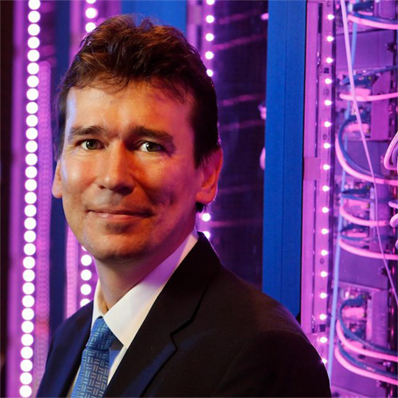
Thompson, Paul
Paul Thompson is a Professor in the Keck School of Medicine of USC. His team’s research projects focus on the neuroscience, mathematics, computer science, software engineering and clinical aspects of neuroimaging and brain mapping. Honored with the 2023 Pioneer in Medicine Award of the Society of Brain Mapping and Therapeutics, and the U.S. Alzheimer Association’s Zenith Award, Paul Thompson directs the ENIGMA Consortium, a global alliance of 2500 scientists in 47 countries who conduct the largest studies of 30 major brain diseases – ranging from Parkinson’s disease, anorexia, schizophrenia, depression, ADHD, bipolar illness and OCD, to HIV and addictions and their effects in the brain. ENIGMA’s genomic screens of over 70,000 people’s brain scans and genome-wide data (published in Nature Genetics, 2012; Nature, 2015; Science, 2020) have brought together experts from 300 institutions to unearth over 500 genetic variants that affect brain structure, disease risk, and brain connectivity. At USC, Dr. Thompson is a Professor of Neurology, Psychiatry, Radiology, Pediatrics, Engineering, and Ophthalmology, and Director of the ENIGMA Center for Worldwide Medicine, Imaging & Genomics – a $11M NIH Center of Excellence in Big Data Computing. Using worldwide medication screens, ENIGMA discovers factors that affect progression of Alzheimer’s disease and other dementias, schizophrenia, depression and childhood brain disorders. Dr. Thompson also directs AI4AD – an $18M NIH Initiative on AI methods to accelerate Alzheimer’s disease research, discovering novel treatment targets; he directs the India ENIGMA Initiative – large-scale study of brain aging in India. He directs the USC Imaging Genetics Center – a group of 50 scientists in Marina del Rey. His team created the first maps of Alzheimer’s disease and schizophrenia spreading in the living brain, and a method to track brain growth in children. Dr. Thompson has an M.A. in mathematics and Greek and Latin Languages from Oxford University, and a PhD in neuroscience from UCLA.
Wang, Lu
Assistant Professor of Dentistry
Our lab aims to push the boundary of our understanding of human brain in development and related disorders with discoveries focused on non-neuronal cells, environmental stress, and genetic mutations, leveraging the stem cell-based organoid/PCCO-assembled model in combination with the state-of-art genetic and genomic (single cell level) strategies to expand our knowledge of the cell-cell communication, fate dynamics, and niche homeostatic of the non-neuronal cells (astrocytes and pericytes) in health, and emergency rescue when they are under stress or in disease. Ultimately, our collective efforts, alongside those of others in the field, will pave the way for groundbreaking interventions in the realm of neurological disease.
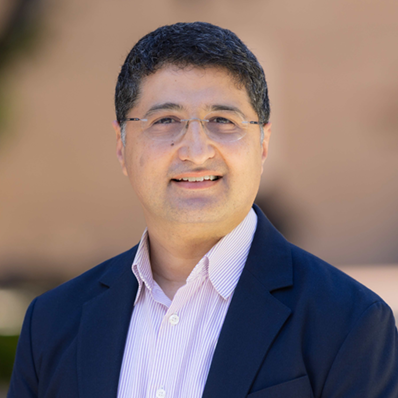
Yassine, Hussein
We study how APOE4 increases the risk of AD through cell, animal and imaging models and in human clinical trials.