

Jakowec, Michael
Professor of Clinical Pharmacy (Teaching)
The primary focus of research in Dr. Jakowec’s laboratory is to better understand the underlying molecular mechanisms involved in neuroplasticity in the injured brain with the emphasis on the basal ganglia and prefrontal cortex, regions of the brain responsible for motor and cognitive behaviors.The overarching goal is to find improved therapeutic approaches for brain disorders especially Parkinson’s disease and drug addiction. For the past 20 years the laboratory has examined the effects of exercise on promoting neuroplasticity, particularly synaptogenesis in animal models of Parkinson’s disease. In addition to non-pharmacological approaches to promote brain repair, ongoing studies are using an experimental therapeutics approach to explore pharmacological interventions to determine if novel drugs can serve as a means to enhance brain repair, especially in the context of exercise. Recent studies have focused on the mechanisms by which astrocytes support neuronal function as well as mechanisms by which boosting mitochondrial integrity can promote improved functional connectivity and restoration of motor and cognitive behaviors.

Kamitakahara, Anna
Assistant Professor of Research
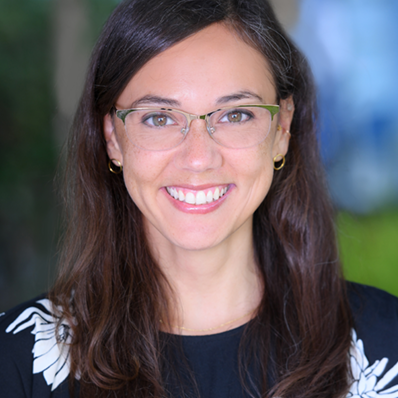
Research in the Kamitakahara Laboratory investigates how genes and the environment shape the development and mature function of the neural circuits controlling feeding behavior. Specific topics examined include: 1) the impact of perinatal nutrition on gut-brain signaling of satiation and reward-based feeding behaviors, and 2) the genetic and biological contributions to inter-individual differences in response to GLP-1 receptor agonist treatment. Mechanistic understanding of neural activity and feeding behavior is probed using advanced techniques such as bulk and single cell RNA sequencing, highly multiplexed in situ hybridization, and metabolic cage phenotyping. Through delineation of the genes and dietary factors that shape feeding behavior, research in the Kamitakahara lab aims to provide insight into the biological mechanisms underlying overconsumption and cardiometabolic disease.

Kanoski, Scott
Professor of Biological Sciences
The prevalence of obesity has exploded over the past 40 years. The biological systems that underlie the excessive eating behavior contributing to obesity onset remain poorly understood. Our research goal is to discover the neural systems and psychological processes that control energy balance, with a particular focus on understanding the neurobiological substrates that regulate obesity-promoting behaviors such as food impulsivity and environmental cue-induced feeding. Another primary focus of our lab is to study how the brain is negatively impacted by dietary and metabolic factors. Consumption of Western diets (high in saturated fatty acids and sugars) not only contributes to obesity development, but also produces deficits in learning and memory capabilities and can even increase the risk for developing dementia. We are currently examining the specific causal dietary factors, critical developmental periods, and neurobiological mechanisms underlying diet-induced cognitive decline. Ongoing research identifies the gut microbiome as a critical link between unhealthy junk food diets and neurocognition.

Kay, Steve A.
Our laboratory studies the construction and dynamics of complex genetic networks that underlie circadian rhythms in humans, animals and plants. We also develop and use cutting-edge technologies for measuring transcription in live cells, tissues and intact organisms. We use large scale datasets of gene expression or protein content combined with genetics, bioinformatics and computational tools (mathematical modeling), chemical screens and more conventional biochemical approaches. Ultimately our aim is to scale our understanding of the dynamics of circadian clocks from the systems level down to atomic resolution mechanism. We have a strong commitment to translation of our research, in the case of humans for novel cancer drug discovery. We are currently focussing on targeting clock proteins in glioblastoma stem cells, in order to develop novel therapeutics.
Lee, Changhan David
Associate Professor of Gerontology
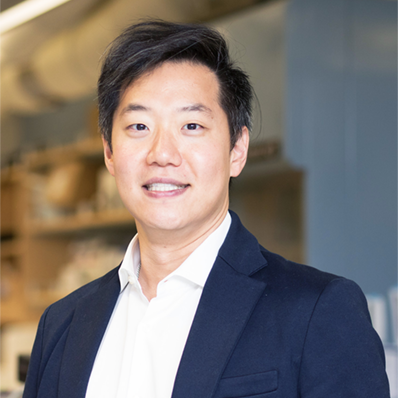
The Lee Lab investigates how metabolism regulates aging and age-related diseases, including Alzheimer’s, with a focus on mitochondrial communication. Traditionally viewed as end-stage organelles, mitochondria are now recognized as active signaling hubs. We study newly discovered bioactive microproteins encoded in the mitochondrial genome—particularly within the 12S rRNA region—that act as innate signals influencing cell and organismal physiology. These microproteins function both within and between cells and may serve as mitochondrial longevity genes and therapeutic targets. Our work bridges molecular biology and whole-organism physiology to uncover how mitochondria influence aging from within. Students interested in metabolism, mitochondrial biology, and translational aging research will find rich opportunities here.

Lee, Sun Young
Associate Professor of Ophthalmology and Physiology and Neuroscience
LeeRetinaLab investigates the pathobiology of age-related macular degeneration and diabetic retinopathy, with a focus on developing extracellular vesicle (EV)-based therapeutics. Our team has expertise in small EV (sEV) isolation, characterization, and bioengineering, and we regularly work with relevant animal models. To optimize sEV-based intraocular therapies, we apply both conventional and advanced technologies, including single-particle analysis, nano-flow cytometry, digital PCR, cryo-EM, and multi-omics approaches (transcriptomics, proteomics, lipidomics, and metabolomics). We take a multidisciplinary approach and collaborate closely with experts in bioengineering, regenerative medicine, and gene therapy to accelerate translational outcomes and therapeutic innovation in retinal disease research.