
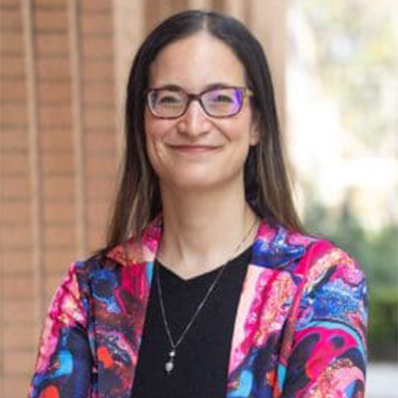
Benayoun, Berenice
Associate Professor of Gerontology, Biological Sciences and Cancer Biology
My lab has been excited to explore understudied influences (specifically biological sex and reproductive status) on gene regulation across key biological systems including the aging brain, with a special interest for innate immunity (e.g. neutrophils, macrophages, microglia), and how these inputs lastingly influence vertebrate health. Sex-dimorphic processes can have a major and lasting influence on somatic health, yet, this exciting question is still dramatically understudied, with few studies looking at the influence of biological sex as a focal point of interest, thus ignoring a major contributor to health disparities in human populations.


Bienkowski, Michael
Assistant Professor of Physiology and Neuroscience and Biomedical Engineering
Our lab investigates brain cell types, their susceptibility to disease, and how biomedical treatments can slow or prevent neurodegeneration. We have a wide variety of collaborative research projects using animal models of retinal diseases and Alzheimer’s disease (mice, rats, rabbits) as well as studies in post-mortem human samples. We use cutting-edge multidisciplinary approaches to characterize brain cell types and their neurodegeneration including viral tract tracing connectomics, spatial transcriptomics, 3D neuronal reconstruction, and digital pathology/machine learning.


Ching, Christopher
Assistant Professor Of Research Neurology
Dr. Ching’s research focuses on neuroimaging and genomic markers of psychiatric and neurodegenerative disorders. As a core organizing member of the Enhancing Neuro Imaging Genetics through Meta-Analysis (ENIGMA) Consortium, he designs and implements standardized processing and analysis techniques for large-scale neuroimaging studies. He leads the ENIGMA Bipolar Disorder Working Group, an effort pooling data and resources from around the world to improve our understanding of the biological processes driving bipolar disorder, and studies rare copy number variants like 22q11.2 Deletion Syndrome to understand how genetic mutations can lead to increased risk for developing psychiatric illness. He leads several large-scale transdiagnostic neuroimaging and genomic initiatives using machine learning to map common and distinct brain and clinical factors across mental illnesses.

Cohen, Pinchas
Distinguished Professor of Gerontology, Medicine and Biological Sciences
The Cohen lab studies mitochondrial microproteins. We take a systems biology approach to mitochondria, looking at mitochondrial ORFomics, mito-genomics, mitochondrial-epigenetics, mito-transcriptomics and mitochondrial-proteomics. Our discovery pipeline involves novel bioinformatic approaches to clone and advance disease-relevant mitochondrial-derived peptides. We utilize MiWAS (mitochondrial GWAS), MDPseq (mitochondrial RNAseq) and related tools, to identify new microproteins involved in diseases of aging. Over the last two decades we described multiple novel genes including humanin and its cytoprotective and neuroprotective roles; MOTS-c, which is an exercise-mimetic peptide in which a loss-of-function mutation predisposes to diabetes, that has been advanced to clinical trials in humans; SHLP2, which is involved in neurodegenerative diseases; SHMOOSE, a neuroprotective microprotein that harbors a mutation that predisposes to Alzheimer’s disease, and multiple other previously unrecognized microproteins. Our goal is to continue to develop diagnostic tools and therapeutic targets for health aging

Cortes, Constanza
Assistant Professor of Gerontology
We investigate the mechanisms of exercise-associated neuroprotection in the context of aging and Alzheimer's disease. We utilize transgenic exercice-mimetic transgenic mice in combination with running interventions to isolate and prioritize novel 'exerkines' to move into pre-clinical trials. We are also building an 'exercise atlas' of the brain across the lifespan, with the ultimate goal of developing exercise in a pill as a novel intervention for Alzheimer's disease

Craft, Cheryl Mae
My well established vision research program encompasses my passion for discovery and deciphering rod and cone phototransduction mechanisms in health and disease using animal models for retinal degeneration. Throughout my academic career my research discoveries identified key genes in the pineal and retina, including arrestins to maintain normal high acuity vision. Currently, my personal goals include developing alternative therapeutic rescue treatment strategies with replacement gene therapy and in vitro stem cell technology. With Cobrinik and collaborators, we identified key developmental cone regulators controlling retinoblastoma genesis. I strongly believe in the importance of mentoring vision and clinician scientists and providing medical ethical training doctoral and medical students, and society.