

Jakowec, Michael
Professor of Clinical Pharmacy (Teaching)
The primary focus of research in Dr. Jakowec’s laboratory is to better understand the underlying molecular mechanisms involved in neuroplasticity in the injured brain with the emphasis on the basal ganglia and prefrontal cortex, regions of the brain responsible for motor and cognitive behaviors.The overarching goal is to find improved therapeutic approaches for brain disorders especially Parkinson’s disease and drug addiction. For the past 20 years the laboratory has examined the effects of exercise on promoting neuroplasticity, particularly synaptogenesis in animal models of Parkinson’s disease. In addition to non-pharmacological approaches to promote brain repair, ongoing studies are using an experimental therapeutics approach to explore pharmacological interventions to determine if novel drugs can serve as a means to enhance brain repair, especially in the context of exercise. Recent studies have focused on the mechanisms by which astrocytes support neuronal function as well as mechanisms by which boosting mitochondrial integrity can promote improved functional connectivity and restoration of motor and cognitive behaviors.


Kamitakahara, Anna
Assistant Professor of Research
Research in the Kamitakahara Laboratory investigates how genes and the environment shape the development and mature function of the neural circuits controlling feeding behavior. Specific topics examined include: 1) the impact of perinatal nutrition on gut-brain signaling of satiation and reward-based feeding behaviors, and 2) the genetic and biological contributions to inter-individual differences in response to GLP-1 receptor agonist treatment. Mechanistic understanding of neural activity and feeding behavior is probed using advanced techniques such as bulk and single cell RNA sequencing, highly multiplexed in situ hybridization, and metabolic cage phenotyping. Through delineation of the genes and dietary factors that shape feeding behavior, research in the Kamitakahara lab aims to provide insight into the biological mechanisms underlying overconsumption and cardiometabolic disease.
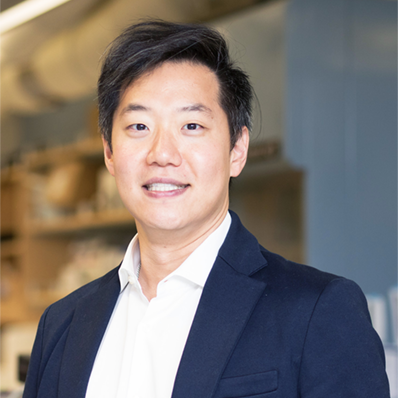
Lee, Changhan David
Associate Professor of Gerontology
The Lee Lab investigates how metabolism regulates aging and age-related diseases, including Alzheimer’s, with a focus on mitochondrial communication. Traditionally viewed as end-stage organelles, mitochondria are now recognized as active signaling hubs. We study newly discovered bioactive microproteins encoded in the mitochondrial genome—particularly within the 12S rRNA region—that act as innate signals influencing cell and organismal physiology. These microproteins function both within and between cells and may serve as mitochondrial longevity genes and therapeutic targets. Our work bridges molecular biology and whole-organism physiology to uncover how mitochondria influence aging from within. Students interested in metabolism, mitochondrial biology, and translational aging research will find rich opportunities here.

Lee, Sun Young
Associate Professor of Ophthalmology and Physiology and Neuroscience
LeeRetinaLab investigates the pathobiology of age-related macular degeneration and diabetic retinopathy, with a focus on developing extracellular vesicle (EV)-based therapeutics. Our team has expertise in small EV (sEV) isolation, characterization, and bioengineering, and we regularly work with relevant animal models. To optimize sEV-based intraocular therapies, we apply both conventional and advanced technologies, including single-particle analysis, nano-flow cytometry, digital PCR, cryo-EM, and multi-omics approaches (transcriptomics, proteomics, lipidomics, and metabolomics). We take a multidisciplinary approach and collaborate closely with experts in bioengineering, regenerative medicine, and gene therapy to accelerate translational outcomes and therapeutic innovation in retinal disease research.

Levitt, Pat
The research projects are driven by a talented group of postdoctoral fellows, graduate students, research staff and collaborating faculty. Our laboratory is unique in undertaking both basic and clinical research projects. Research projects investigate the development of brain architecture underlying emotional and social behavior and learning, the challenges that arise when neurodevelopment is derailed, and determining why brain and certain medical disorders often co-occur in children. The basic science projects are focused how genes and prenatal and early postnatal environments together influence typical and atypical development. The clinical research projects focus on understanding the impact of early experiences, positive (social connectedness) and negative (early life adversities - neglect/abuse) on healthy brain and child development and the impact on metabolic health.

Liman, Emily
Harold W. Dornsife Chair in Neuroscience and Professor of Biological Sciences
The Liman lab studies how ion channels enable sensory cells to convert chemical and mechanical cues into electrical signals. We discovered the Otopetrin (OTOP) family of proton-selective ion channels and showed that OTOP1 is the long-sought sour-taste receptor as well as a detector of ammonium. Using patch-clamp electrophysiology, structure-guided mutagenesis, cryo-EM, and in vivo genetics we aim to reveal how protons permeate OTOP pores, how gating is tuned by pH and lipids, and how channel activity shapes taste, balance, and metabolic physiology. Ongoing projects extend these questions to other OTOP isoforms combining medium-throughput screening with computational modeling to identify first-in-class modulators and mouse genetics to identify and manipulate cells that express OTOP channels. Students gain rigorous cross-disciplinary training in membrane biophysics and sensory neuroscience while working in a collaborative, inclusive environment.