

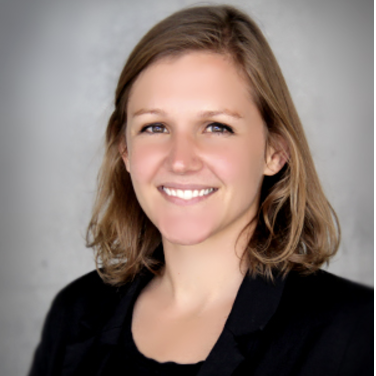
Herting, Megan
Associate Professor of Population and Public Health Sciences
Our laboratory uses advanced MRI neuroimaging techniques to investigate how the brain develops during childhood and adolescence. Our research focuses on both internal and external risk factors, like hormones, air pollution, and physical activity on brain outcomes like structure, function, cognition, and mental health.


Holschneider, Daniel P.
Professor of Psychiatry & the Behavioral Sciences
Our laboratory focuses on brain imaging in awake, behaving rodents. We use classic methods like autoradiography and positron emission tomography, along with histologic approaches and 3D brain reconstruction. We have been amongst the first to adapt analytic methods that are part of the human functional neuroimaging toolbox (statistical parametric mapping, functional connectivity, network analysis) to autoradiographic and histologic whole brain data sets. This enables voxel-based exploration of cerebral function in models of dopaminergic deafferentation, Huntington’s Disease, brain injury, fear, stress, hyperalgesia, gut microflora alterations, and chemogenetic knockdown. Our expertise includes functional brain mapping, animal behavior, physiologic monitoring (EEG, EMG, EKG, cardiac output), and histochemistry.

Immordino-Yang, Mary Helen
Professor of Education, Psychology & Neuroscience
Professor Mary Helen Immordino-Yang is the Director of USC CANDLE (Center for Affective Neuroscience, Development, Learning and Education). CANDLE’s mission is to bring developmental affective neuroscience into partnership with educational innovation, and to use what is learned to guide the transformation of schools, policy, and the student and teacher experience for a healthier and more equitable society. Our research involves analyzing multi-modal data, including functional and structural neuroimaging (MRI, EEG), and psychophysiological data, from mixed-method studies of adolescent development and effective teaching. During the 2025-2026 academic year, CANDLE will be designing, developing stimuli and collecting data for an upcoming longitudinal study of adolescents’ brain and psychosocial development.

Irimia, Andrei
Andrei Irimia, PhD, is a biogerontologist and computational neurobiologist studying the effects of genetic, epigenetic, and environmental factors on brain aging. His laboratory uses interpretable deep learning, genomics, and brain imaging to identify and characterize novel risk factors for Alzheimer’s disease and related dementias (ADRD). He also studies accelerated aging, neurovascular calcification, and brain injury as risk factors for ADRD.

Kircanski, Katharina
The Multi-method Emotion Science and Outreach (MESO) Lab integrates affective and cognitive neuroscience, clinical science, and quantitative methods to study mechanisms of mood and anxiety disorders. We are particularly interested in parsing shared vs. specific mechanisms of symptoms that manifest across childhood and adolescence. Our research utilizes a multi-modal approach that includes fMRI, behavioral paradigms, and ecological momentary assessment (EMA).

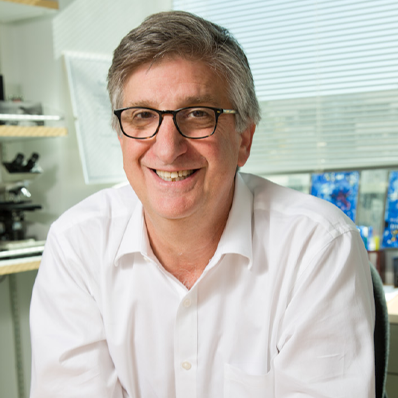
Levitt, Pat
The research projects are driven by a talented group of postdoctoral fellows, graduate students, research staff and collaborating faculty. Our laboratory is unique in undertaking both basic and clinical research projects. Research projects investigate the development of brain architecture underlying emotional and social behavior and learning, the challenges that arise when neurodevelopment is derailed, and determining why brain and certain medical disorders often co-occur in children. The basic science projects are focused how genes and prenatal and early postnatal environments together influence typical and atypical development. The clinical research projects focus on understanding the impact of early experiences, positive (social connectedness) and negative (early life adversities - neglect/abuse) on healthy brain and child development and the impact on metabolic health.