

Han, S.Duke
Professor of Psychology and Family Medicine
The Han Research Laboratory is dedicated to improving the health, wellbeing, and independence of adults living into old age. We are interested in investigating the diverse factors and neurobiological mechanisms that impact cognition and decision making across the lifespan using multidisciplinary approaches informed by the fields of neuropsychology, cognitive and systems neuroscience, epidemiology, genetics, and behavioral economics.


Hayes-Larson, Eleanor
Assistant Professor of Gerontology
Eleanor Hayes-Larson is an epidemiologist whose research program integrates social, psychiatric, and neuroepidemiology with advanced statistical methods to understand drivers of cognitive decline and dementia incidence and disparities. Her work takes a lifecourse perspective to examine psychosocial determinants of Alzheimer’s disease and related dementias in diverse populations, with an emphasis on groups historically underrepresented in research. A main line of her research seeks to evaluate the impact of traumatic stress across the lifecourse on cognitive decline, dementia, and neuroimaging biomarkers. In addition, she has a line of methodological research, including both statistical simulation studies and empirical data analysis, that focuses on improving statistical tools for causal inference and generalizability of findings in cognitive aging research.

Hires, Samuel Andrew
Associate Professor of Biological Sciences
The Hires lab is investigating the basis of biological intelligence. Over the past decade we developed numerous imaging tools to record large-scale patterns of neural activity that are used by thousands of neuroscience labs. These have resulted in hundreds of publicly available datasets embedded with rich representations of neural activity. We are now developing analytical tools, using recent AI developments, to ultimately distill undiscovered principles of biological intelligence from these datasets.

Holschneider, Daniel P.
Professor of Psychiatry & the Behavioral Sciences
Our laboratory focuses on brain imaging in awake, behaving rodents. We use classic methods like autoradiography and positron emission tomography, along with histologic approaches and 3D brain reconstruction. We have been amongst the first to adapt analytic methods that are part of the human functional neuroimaging toolbox (statistical parametric mapping, functional connectivity, network analysis) to autoradiographic and histologic whole brain data sets. This enables voxel-based exploration of cerebral function in models of dopaminergic deafferentation, Huntington’s Disease, brain injury, fear, stress, hyperalgesia, gut microflora alterations, and chemogenetic knockdown. Our expertise includes functional brain mapping, animal behavior, physiologic monitoring (EEG, EMG, EKG, cardiac output), and histochemistry.
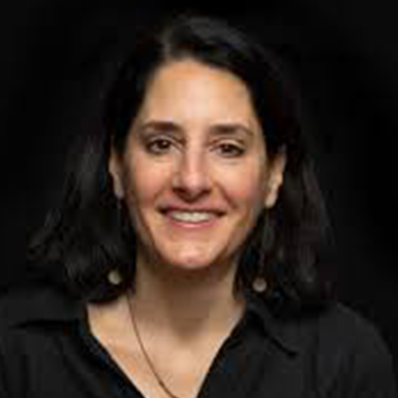
Immordino-Yang, Mary Helen
Professor of Education, Psychology & Neuroscience
Professor Mary Helen Immordino-Yang is the Director of USC CANDLE (Center for Affective Neuroscience, Development, Learning and Education). CANDLE’s mission is to bring developmental affective neuroscience into partnership with educational innovation, and to use what is learned to guide the transformation of schools, policy, and the student and teacher experience for a healthier and more equitable society. Our research involves analyzing multi-modal data, including functional and structural neuroimaging (MRI, EEG), and psychophysiological data, from mixed-method studies of adolescent development and effective teaching. During the 2025-2026 academic year, CANDLE will be designing, developing stimuli and collecting data for an upcoming longitudinal study of adolescents’ brain and psychosocial development.
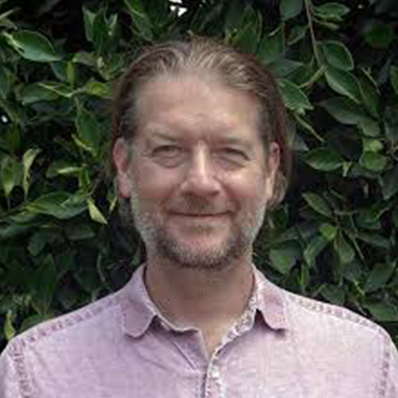
Kanoski, Scott
Professor of Biological Sciences
The prevalence of obesity has exploded over the past 40 years. The biological systems that underlie the excessive eating behavior contributing to obesity onset remain poorly understood. Our research goal is to discover the neural systems and psychological processes that control energy balance, with a particular focus on understanding the neurobiological substrates that regulate obesity-promoting behaviors such as food impulsivity and environmental cue-induced feeding. Another primary focus of our lab is to study how the brain is negatively impacted by dietary and metabolic factors. Consumption of Western diets (high in saturated fatty acids and sugars) not only contributes to obesity development, but also produces deficits in learning and memory capabilities and can even increase the risk for developing dementia. We are currently examining the specific causal dietary factors, critical developmental periods, and neurobiological mechanisms underlying diet-induced cognitive decline. Ongoing research identifies the gut microbiome as a critical link between unhealthy junk food diets and neurocognition.