
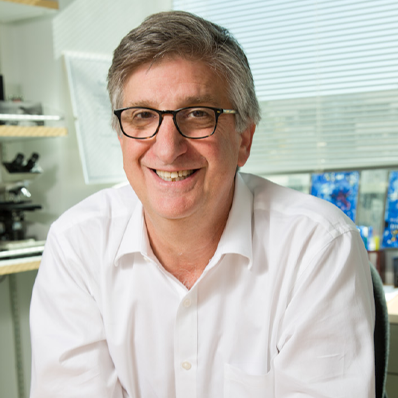
Levitt, Pat
The research projects are driven by a talented group of postdoctoral fellows, graduate students, research staff and collaborating faculty. Our laboratory is unique in undertaking both basic and clinical research projects. Research projects investigate the development of brain architecture underlying emotional and social behavior and learning, the challenges that arise when neurodevelopment is derailed, and determining why brain and certain medical disorders often co-occur in children. The basic science projects are focused how genes and prenatal and early postnatal environments together influence typical and atypical development. The clinical research projects focus on understanding the impact of early experiences, positive (social connectedness) and negative (early life adversities - neglect/abuse) on healthy brain and child development and the impact on metabolic health.


Liman, Emily
Harold W. Dornsife Chair in Neuroscience and Professor of Biological Sciences
The Liman lab studies how ion channels enable sensory cells to convert chemical and mechanical cues into electrical signals. We discovered the Otopetrin (OTOP) family of proton-selective ion channels and showed that OTOP1 is the long-sought sour-taste receptor as well as a detector of ammonium. Using patch-clamp electrophysiology, structure-guided mutagenesis, cryo-EM, and in vivo genetics we aim to reveal how protons permeate OTOP pores, how gating is tuned by pH and lipids, and how channel activity shapes taste, balance, and metabolic physiology. Ongoing projects extend these questions to other OTOP isoforms combining medium-throughput screening with computational modeling to identify first-in-class modulators and mouse genetics to identify and manipulate cells that express OTOP channels. Students gain rigorous cross-disciplinary training in membrane biophysics and sensory neuroscience while working in a collaborative, inclusive environment.

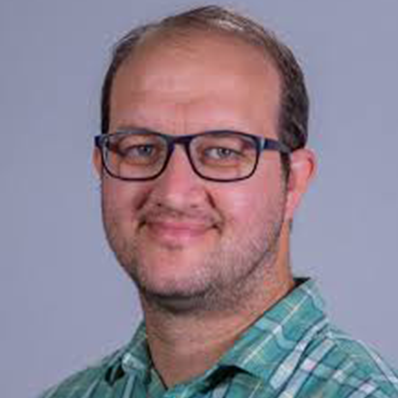
Moore, Jeffrey
Assistant Professor of Biological Sciences
Many mammals sense and affect their environment predominantly through innate motor programs for exploration, social interaction, and ingestion; yet, little is known about the neuronal circuits that control these motor programs. Our lab uses molecular, systems, and computational neurobiological techniques to identify specific brainstem motor control modules and to determine how higher-order brain structures engage these modules for innate behaviors.


Nastase, Samuel
Assistant Professor of Psychology
The core questions driving my research are “What is shared between individual brains?” and “How do we share our thoughts with one another?”—using language and other coordinated actions. My research combines naturalistic neuroimaging paradigms (fMRI, ECoG) and deep neural networks to better answer these questions in real-world contexts. In current work, we leverage large language models to better understand how humans use language to transmit complex thoughts from one brain to another.

Read, Stephen J.
Mendel B. Silberberg Professor of Social Psychology and Professor of Psychology
The lab is interested in the neurobiological, motivational, and cognitive bases of human social behavior. A major focus of the lab is the use of computational models (neural network models) and current neurobiological findings and methods to illuminate various aspects of human social thought and behavior. We are especially interested in the integration of computational models with behavioral and neurobiological findings. The lab addresses a number of central topics in human social reasoning and behavior, motivation, depression, and decision-making.