
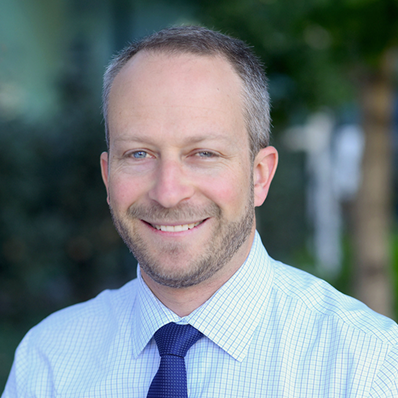
Nagiel, Aaron
Assistant Professor of Clinical Ophthalmology
The development and maintenance of specific synaptic connections between retinal neurons is critical to its function. Within the last 10 years it has become possible to grow 3-dimensional, multi-layered retinal organoids derived from human stem cells. This advance permits the study of human retinal development and the establishment of synaptic connectivity. Our goal is to elucidate mechanisms underlying synapse formation and specificity in the first synapse of the human visual system. Access to CRISPR-engineered organoids allows us to understand this process in the disease state.



Oghalai, John
Our research is designed to better understand the fundamental changes in the inner ear that underlie progressive hearing loss and to develop novel techniques to treat this problem before it leads to a severe disability. We strive to understand the biological mechanisms of hearing loss and then translate this knowledge to directly and rapidly improve the care of patients with hearing loss.

Petzinger, Giselle
Associate Professor of Neurology (Clinical Scholar)
Dr. Giselle M. Petzinger is a Movement Disorders Specialist and neuroscientist in the department of neurology at USC Keck School of Medicine. Her training includes MD at USC, Neurology Residency at Yale, Fellowship at Columbia University and experimental therapeutics at the Parkinson’s Institute in the bay area. Her research involves animal models and clinical studies to investigate lifestyle on cognitive/motor function and synaptic plasticity in frontal-striatal and cerebellum circuits. Other studies include investigating the relationship between motor performance and cognitive function and related circuitry in PD and the role of compensation using behavioral, neuroimaging and neurophysiologic metrics. Her work also focuses on understanding neuro-energetic mechanisms of synaptic plasticity in PD focused on mitochondrial function and L-Lactate.
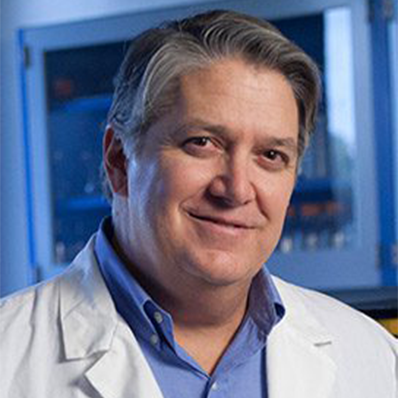
Pike, Christian
Research in the Pike Lab is broadly focused on Alzheimer’s disease (AD), with the general goals of elucidating factors that regulate AD pathogenesis and pursuing translational strategies for the prevention and treatment of the disease. Our approach to investigating research questions involves the use of complementary cellular, biochemical and molecular techniques to analyze relationships in human tissues, rodent models, and cultured cells. Current areas of research focus in the Pike Lab include the contributions of the genetic risk factor APOE4 to AD pathogenesis, sex differences in AD, and the protective efficacy of longevity-promoting interventions including fasting mimicking diet and candidate compounds. We seek to identify and elucidate the mechanisms underlying AD risks and use this information to develop therapeutic interventions.

Schier, Lindsey
Associate Professor of Biological Sciences
The Schier lab seeks to understand how the chemical constituents of foods and fluids are sensed, how these oral and postoral signals are processed in the brain and channeled into the behavioral outputs that subserve energy balance.