

Tabbaa, Manal
Research in the Tabbaa lab leverages genetically diverse mouse genetic reference panels to model individual differences in complex behaviors and susceptibility to a high-confidence autism risk gene. The goal of these projects is to better model genetically diverse populations in mice in order to address the challenging issue of developmental heterogeneity and genetic risk factor susceptibility in human neurodevelopmental disorders.


Tao, Huizhong W.
Professor of Physiology and Neuroscience
My lab studies how the mouse brain processes visual information and transforms it into behavior. Our research focuses on identifying the neural circuits involved in visual perception and how these circuits drive visually guided actions. We use a combination of techniques—including electrophysiology to record neural activity, microendoscopic calcium imaging to monitor populations of neurons in freely moving animals, and both optogenetics and chemogenetics to precisely manipulate specific circuit components. By integrating these approaches, we aim to understand how visual signals are encoded, transmitted, and used to guide behavior at the level of individual neurons and larger networks.
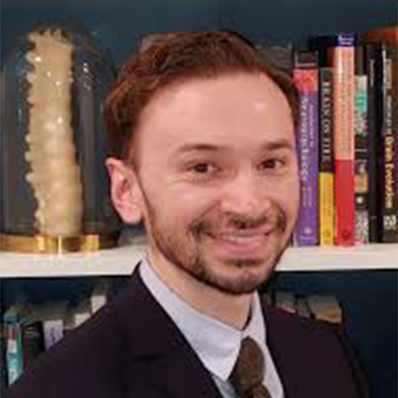
Valadez, Emilio
Assistant Professor of Psychology
Our lab focuses on understanding how early risk factors, such as temperament and early adversity, confer risk for future emotional problems among children and adolescents. More specifically, we are interested in how executive functions (assessed with a combination of behavioral, EEG, and MRI measures) moderate the psychiatric impact of early-life risk factors. Three interrelated questions spanning basic and translational work guide our research: 1) How are executive functions supported by the brain? 2) How do early risk factors alter the development of executive functions? 3) How do executive functions interact with early risk to modulate psychiatric outcomes? Ultimately, our work aims to better understand basic cognitive and developmental processes to identify novel target mechanisms for intervention.
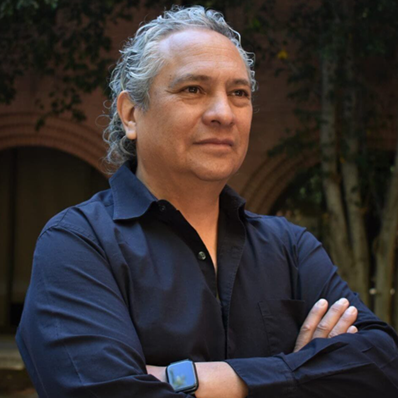
Valero-Cuevas, Fransisco
Our laboratory is dedicated to understanding the biomechanics, neuromuscular control, and clinical rehabilitation of human mobility, with an emphasis on translation to robotics and Artificial Intelligence. Towards this end, we employ a synergy of experimental and theoretical techniques. Our diverse experimental arsenal ranges from physiological recordings, computational models, machine learning, and neuromorphic computing. These procedures in turn inform theoretical work and devices to restore sensorimotor function for rehabilitation, and create neuro-inspired robots, circuits, and algorithms.

Watts, Alan
Professor of Biological Sciences
My work focuses on understanding how the brain contributes to the development, manifestation, and complications of diabetes and obesity, primarily on how this happens at the neural network level. In particular, I am interested in how interoceptive and exteroceptive signals interact with the brain to control endocrine and behavioral responses to energy deficits. Currently I am using neuroinformatic methods to explore how the rat brain connectome can reveal the organization of the control networks that influence the behavioral, endocrine, and autonomic motor events associated with metabolic physiology and its dysfunction.

Wood, Ruth
Professor of Integrative Anatomical Sciences
My research uses rodent models to study behavioral neuroendocrinology, how hormones act in the brain during development and in adulthood to control behavior in males and females. My emphasis is on hormonal control of cognition, cooperative behavior, and reward. Current research addresses how oxytocin promotes cooperation, and how anabolic steroid abuse impairs cognition.