


Page, Katie
Associate Professor of Medicine and Pediatrics
The Brain Regulation of Appetite, Nutrition, Cognition, & Health (BRANCH) Lab has two major research programs: (i) Neuroendocrine regulation of appetite & glucose homeostasis (ii) Maternal-fetal programming of metabolism. Our translational research program addresses questions from a broad perspective by combining a number of disciplines (neuroscience, physiology, nutrition, psychology) and novel techniques to understand neural mechanisms of metabolic diseases.


Petzinger, Giselle
Associate Professor of Neurology (Clinical Scholar)
Dr. Giselle M. Petzinger is a Movement Disorders Specialist and neuroscientist in the department of neurology at USC Keck School of Medicine. Her training includes MD at USC, Neurology Residency at Yale, Fellowship at Columbia University and experimental therapeutics at the Parkinson’s Institute in the bay area. Her research involves animal models and clinical studies to investigate lifestyle on cognitive/motor function and synaptic plasticity in frontal-striatal and cerebellum circuits. Other studies include investigating the relationship between motor performance and cognitive function and related circuitry in PD and the role of compensation using behavioral, neuroimaging and neurophysiologic metrics. Her work also focuses on understanding neuro-energetic mechanisms of synaptic plasticity in PD focused on mitochondrial function and L-Lactate.
Pike, Christian
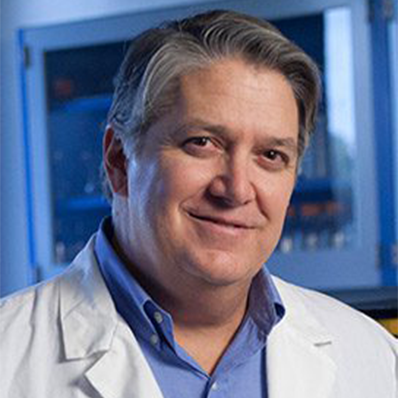
Research in the Pike Lab is broadly focused on Alzheimer’s disease (AD), with the general goals of elucidating factors that regulate AD pathogenesis and pursuing translational strategies for the prevention and treatment of the disease. Our approach to investigating research questions involves the use of complementary cellular, biochemical and molecular techniques to analyze relationships in human tissues, rodent models, and cultured cells. Current areas of research focus in the Pike Lab include the contributions of the genetic risk factor APOE4 to AD pathogenesis, sex differences in AD, and the protective efficacy of longevity-promoting interventions including fasting mimicking diet and candidate compounds. We seek to identify and elucidate the mechanisms underlying AD risks and use this information to develop therapeutic interventions.

Piray, Payam
Assistant Professor of Psychology
How do people make sense of incomplete and noisy observations? How do humans make decisions in an uncertain world and how do they learn from their mistakes? We investigate these problems in health and disease using computational and experimental tools.

Read, Stephen J.
Mendel B. Silberberg Professor of Social Psychology and Professor of Psychology
The lab is interested in the neurobiological, motivational, and cognitive bases of human social behavior. A major focus of the lab is the use of computational models (neural network models) and current neurobiological findings and methods to illuminate various aspects of human social thought and behavior. We are especially interested in the integration of computational models with behavioral and neurobiological findings. The lab addresses a number of central topics in human social reasoning and behavior, motivation, depression, and decision-making.

Rissman, Robert
Professor of Physiology and Neuroscience
Dr. Rissman is Professor Physiology and Neuroscience and founding Director of the Neuroscience Translational Research Division (NTRD) of USC’s Alzheimer’s Therapeutic Research Institute in San Diego. Dr. Rissman’s basic science research goal is to identify and validate plasma biomarkers for Alzheimer’s Disease and Related Disorders (ADRD) to better understand mechanisms of neurodegeneration and to streamline clinical trials recruitment. Work from Dr. Rissman’s lab has led to the validation of plasma biomarkers that predict AD brain neuropathology and progression of dementia. Also, through analysis of plasma-derived extracellular vesicles, his group was the first to demonstrate that TDP-43 protein within astrocyte extracellular vesicles can identify Limbic-predominant age-related TDP-43 encephalopathy (LATE).