

Dias, Brian George
Associate Professor of Developmental Neuroscience & Neurogenetics
Our research seeks to understand not only how mammalian neurobiology, physiology and reproductive biology is impacted by psychosocial and nutritional stress but also how parental legacies of such stressors influence offspring. To achieve this understanding, we employ a lifespan approach to study how stressors affect: sperm/egg/embryo (pre-conceptional stress), the gestating fetus (in utero stress), and the developing infant (post-natal stress). Our experimental approaches include assaying learning-memory-motivation, virus-mediated manipulation of neuronal activity and gene expression, (epi)genetic profiling of cells, in vivo fiber photometry and induced pluripotent stem cells (iPSCs).


Eagleson, Kathie
Associate Professor of Research Pediatrics and Neurology
Research projects investigate the development of brain architecture that controls social-emotional behavior and learning, and how early life experiences impact neurodevelopment. Genetic and environmental factors that regulate circuit and synapse formation are studied at the molecular and circuit level, using single cell and bulk RNA sequencing, viral circuit tracing, and multiplex in-situ hybridization. Preclinical mouse models use exposure to early adverse experiences to study age- and sex- specific mitochondrial adaptations that impact the emergence of cognitive, social and emotional behaviors across the lifespan.

Eich, Teal
Associate Professor of Gerontology
My research centers on understanding sex differences in the cognitive and neural mechanisms underlying learning and memory changes in healthy and pathological aging, with a particular focus on Alzheimer’s disease. My lab uses a combination of cognitive, biobehavioral (biomarkers, endocrine profiles), and neuroimaging (structural, spectroscopic, and functional) to understand memory and executive function in normal aging, and seeks to translate these empirical and theoretical findings to model cognitive disorders in psychopathologic and neurodegenerative diseases, where high level cognitive failures can be particularly deleterious both for the individual and society at large.
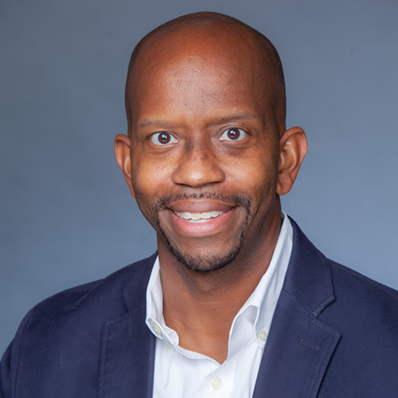
Finley, James
Associate Professor of Biokinesiology and Physical Therapy
In the USC Locomotor Control Lab, we seek to understand how walking is controlled and adapted in both the healthy and injured neuromuscular systems. We develop models and experiments based on principles of neuroscience, biomechanics, engineering, and exercise physiology to identify the factors that guide locomotor learning and rehabilitation. Ultimately, the goal of our work is to design novel and effective interventions to improve walking ability in individuals with damage to the nervous system.

Hahn, Joel
Associate Professor (Research) of Biological Sciences
The overall goal / objective of my research is to increase scientific understanding of the fundamental structure/function relations of the nervous system. Using a variety of research methods, I have investigated neural circuits relating to specific functions (for example, neuroendocrine control of reproduction, eating, and agonistic behaviors), as well as high-level global network organization of the brain. My current research is geared mostly to developing and investigating nervous system network models, and to building tools and resources for systems neuroscience, and more recently for comparing neuroanatomical ontologies within and between species, to simplify and enable more accurate interpretation and communication of neuroscience data.