

Petzinger, Giselle
Associate Professor of Neurology (Clinical Scholar)
Dr. Giselle M. Petzinger is a Movement Disorders Specialist and neuroscientist in the department of neurology at USC Keck School of Medicine. Her training includes MD at USC, Neurology Residency at Yale, Fellowship at Columbia University and experimental therapeutics at the Parkinson’s Institute in the bay area. Her research involves animal models and clinical studies to investigate lifestyle on cognitive/motor function and synaptic plasticity in frontal-striatal and cerebellum circuits. Other studies include investigating the relationship between motor performance and cognitive function and related circuitry in PD and the role of compensation using behavioral, neuroimaging and neurophysiologic metrics. Her work also focuses on understanding neuro-energetic mechanisms of synaptic plasticity in PD focused on mitochondrial function and L-Lactate.

Pike, Christian
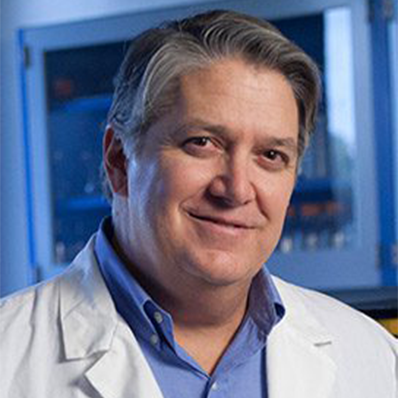
Research in the Pike Lab is broadly focused on Alzheimer’s disease (AD), with the general goals of elucidating factors that regulate AD pathogenesis and pursuing translational strategies for the prevention and treatment of the disease. Our approach to investigating research questions involves the use of complementary cellular, biochemical and molecular techniques to analyze relationships in human tissues, rodent models, and cultured cells. Current areas of research focus in the Pike Lab include the contributions of the genetic risk factor APOE4 to AD pathogenesis, sex differences in AD, and the protective efficacy of longevity-promoting interventions including fasting mimicking diet and candidate compounds. We seek to identify and elucidate the mechanisms underlying AD risks and use this information to develop therapeutic interventions.
Quadrato, Giorgia
Associate Professor of Stem Cell Biology and Regenerative Medicine
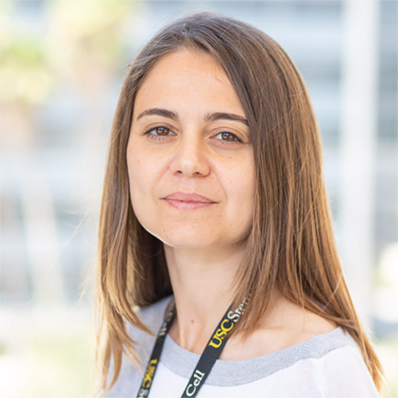
The Quadrato lab focuses on understanding the cellular and molecular basis of human brain development and mental disorders. We seek to produce meaningful work that advances the fundamental knowledge of our field and provides new tools to do it. By combining emerging models of the human brain with single-cell -omics approaches, we aim to identify brain region and cell type-specific disease mechanisms and, above all, new treatments for neuropsychiatric disorders. To improve the physiological relevance of human pluripotent stem cell-derived organoids, our lab is leveraging interdisciplinary strategies and technologies aimed at tighter regulatory control of organoid development through bioengineering approaches, along with newer unbiased organoid analysis readouts.

Rissman, Robert
Professor of Physiology and Neuroscience
Dr. Rissman is Professor Physiology and Neuroscience and founding Director of the Neuroscience Translational Research Division (NTRD) of USC’s Alzheimer’s Therapeutic Research Institute in San Diego. Dr. Rissman’s basic science research goal is to identify and validate plasma biomarkers for Alzheimer’s Disease and Related Disorders (ADRD) to better understand mechanisms of neurodegeneration and to streamline clinical trials recruitment. Work from Dr. Rissman’s lab has led to the validation of plasma biomarkers that predict AD brain neuropathology and progression of dementia. Also, through analysis of plasma-derived extracellular vesicles, his group was the first to demonstrate that TDP-43 protein within astrocyte extracellular vesicles can identify Limbic-predominant age-related TDP-43 encephalopathy (LATE).

Schier, Lindsey
Associate Professor of Biological Sciences
The Schier lab seeks to understand how the chemical constituents of foods and fluids are sensed, how these oral and postoral signals are processed in the brain and channeled into the behavioral outputs that subserve energy balance.
Tabbaa, Manal
Research in the Tabbaa lab leverages genetically diverse mouse genetic reference panels to model individual differences in complex behaviors and susceptibility to a high-confidence autism risk gene. The goal of these projects is to better model genetically diverse populations in mice in order to address the challenging issue of developmental heterogeneity and genetic risk factor susceptibility in human neurodevelopmental disorders.