
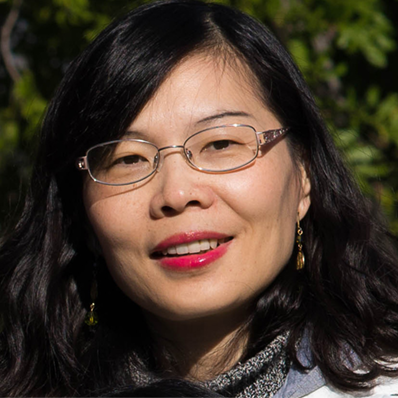
Tao, Huizhong W.
Professor of Physiology and Neuroscience
My lab studies how the mouse brain processes visual information and transforms it into behavior. Our research focuses on identifying the neural circuits involved in visual perception and how these circuits drive visually guided actions. We use a combination of techniques—including electrophysiology to record neural activity, microendoscopic calcium imaging to monitor populations of neurons in freely moving animals, and both optogenetics and chemogenetics to precisely manipulate specific circuit components. By integrating these approaches, we aim to understand how visual signals are encoded, transmitted, and used to guide behavior at the level of individual neurons and larger networks.

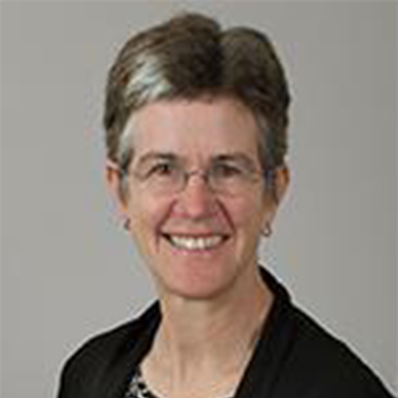
Wood, Ruth
Professor of Integrative Anatomical Sciences
My research uses rodent models to study behavioral neuroendocrinology, how hormones act in the brain during development and in adulthood to control behavior in males and females. My emphasis is on hormonal control of cognition, cooperative behavior, and reward. Current research addresses how oxytocin promotes cooperation, and how anabolic steroid abuse impairs cognition.

Zhang, Li
Professor of Physiology and Neuroscience
As systems neuroscientists, we aim to decipher brain circuits to understand how perception and behavior arise, how the brain adapts to a dynamic environment, and how circuit dysfunction contributes to neurological and psychiatric disorders. We focus on resolving neural architecture—the wiring of neurons that underlies brain function. Technical innovation is central to our approach. We have developed molecular, genetic, electrophysiological, and imaging tools to study circuits supporting both local computation and behavior. Our research integrates in vivo and in vitro electrophysiology, two-photon calcium imaging, neural modeling, anatomical tracing, and optogenetics to build a comprehensive understanding of cell-type-specific circuit mechanisms.
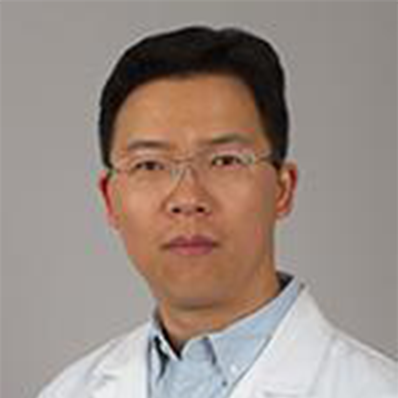
Zhao, Zhen
Assistant Professor of Physiology & Neuroscience
I received my Ph.D. in neuroscience from the University of Southern California (USC) in 2009, continued my journey at USC as a postdoctoral fellow in 2010, and was promoted to tenure-track assistant professor at in 2017. My scientific training and research expertise covers neurosciences and immunology, as I was mentored by several renowned mentors in these fields, particularly Dr Berislav Zlokovic on blood-brain barrier and neurodegenerative diseases. Currently, my main research objective is to explore the genetic, molecular and cellular mechanisms of neurodegeneration, understand the crosstalk between the cell types of the brain and explore new approaches to restore the functional crosstalk for the treatment of neurodegenerative diseases.