


Benayoun, Bérénice
Associate Professor of Gerontology, Cancer Biology, Pharmacology and Pharmaceutical Sciences
My lab explores understudied influences (e.g. biological sex and reproductive status) on gene regulation across key biological systems, with a particular interest in the aging brain and innate immunity (e.g. neutrophils, macrophages, microglia). Sex-dimorphic processes can have a major and lasting influence on somatic health, yet, this exciting question is still dramatically understudied, with few studies looking at the influence of biological sex as a focal point of interest, thus ignoring a major contributor to health disparities in human populations.


Bonaguidi, Michael
Associate Professor of Stem Cell and Regenerative Medicine
Cognitive impairment (CI) is a burdensome neurological condition that occurs during aging, Alzheimer’s disease (AD), and is a common co-morbidity in many neurodegenerative diseases, including epilepsy. Unfortunately, CI prevalence continues to accelerate due to population aging and emerging therapies only slows CI by a few months. Our research seeks to develop regenerative medicine and provide longer-lasting benefits to CI through brain restoration. We are establishing endogenous brain regeneration as a therapeutic approach for CI in pre-clinical animals and people by (1) investigating neural stem cell behavior in aging, AD and epilepsy, (2) developing computational/AI drug discovery tools for precision medicine to treat CI, and (3) partnering with physicians for human research and clinical trials to translate our findings.


Chang, Karen T.
Associate Professor of Physiology and Neuroscience
Our lab is interested in understanding how neurons communicate with high fidelity to support complex brain functions. We aim to uncover the molecular and cellular mechanisms that enable precise synaptic signaling and to explore how disruptions in these processes contribute to neurodevelopmental and neurodegenerative disorders. Using Drosophila melanogaster as a genetically tractable model system, we integrate electrophysiology, molecular biology, confocal imaging, proteomics, and behavioral analysis to investigate synaptic function and plasticity.

Cohen, Pinchas
Distinguished Professor of Gerontology, Medicine and Biological Sciences
The Cohen lab studies mitochondrial microproteins. We take a systems biology approach to mitochondria, looking at mitochondrial ORFomics, mito-genomics, mitochondrial-epigenetics, mito-transcriptomics and mitochondrial-proteomics. Our discovery pipeline involves novel bioinformatic approaches to clone and advance disease-relevant mitochondrial-derived peptides. We utilize MiWAS (mitochondrial GWAS), MDPseq (mitochondrial RNAseq) and related tools, to identify new microproteins involved in diseases of aging. Over the last two decades we described multiple novel genes including humanin and its cytoprotective and neuroprotective roles; MOTS-c, which is an exercise-mimetic peptide in which a loss-of-function mutation predisposes to diabetes, that has been advanced to clinical trials in humans; SHLP2, which is involved in neurodegenerative diseases; SHMOOSE, a neuroprotective microprotein that harbors a mutation that predisposes to Alzheimer’s disease, and multiple other previously unrecognized microproteins. Our goal is to continue to develop diagnostic tools and therapeutic targets for health aging
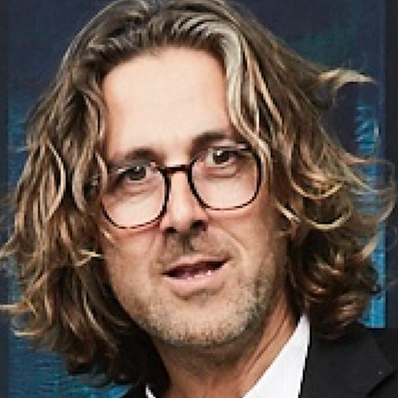
Coricelli, Giorgio
Professor of Economics and Psychology
We study human behaviors emerging from the interplay of cognitive and emotional systems. Our research agenda includes two main projects. The first one concerns the role of emotions in decision making, and the second is aimed at investigating the relational complexity in social interaction. Our objective is to apply robust methods and findings from behavioral decision theory to study the brain structures that contribute to forming judgments and decisions, both in an individual and a social context.
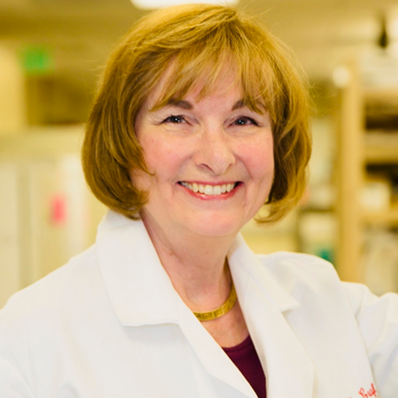
Craft, Cheryl Mae
My well established vision research program encompasses my passion for discovery and deciphering rod and cone phototransduction mechanisms in health and disease using animal models for retinal degeneration. Throughout my academic career my research discoveries identified key genes in the pineal and retina, including arrestins to maintain normal high acuity vision. Currently, my personal goals include developing alternative therapeutic rescue treatment strategies with replacement gene therapy and in vitro stem cell technology. With Cobrinik and collaborators, we identified key developmental cone regulators controlling retinoblastoma genesis. I strongly believe in the importance of mentoring vision and clinician scientists and providing medical ethical training doctoral and medical students, and society.