


Humayun, Mark
Professor of Ophthalmology, Stem Cell Biology and Regenerative Medicine and Biomedical Engineering
Retinal research to restore vision using bioelectronics and stem cells


Ichida, Justin
Associate Professor of Stem Cell Biology and Regenerative Medicine
We are interested in understanding mechanisms underlying neurodegenerative and neurodevelopmental diseases. We also aim to develop new therapeutic strategies for these disorders.


Jakowec, Michael
Professor of Clinical Pharmacy (Teaching)
The primary focus of research in Dr. Jakowec’s laboratory is to better understand the underlying molecular mechanisms involved in neuroplasticity in the injured brain with the emphasis on the basal ganglia and prefrontal cortex, regions of the brain responsible for motor and cognitive behaviors.The overarching goal is to find improved therapeutic approaches for brain disorders especially Parkinson’s disease and drug addiction. For the past 20 years the laboratory has examined the effects of exercise on promoting neuroplasticity, particularly synaptogenesis in animal models of Parkinson’s disease. In addition to non-pharmacological approaches to promote brain repair, ongoing studies are using an experimental therapeutics approach to explore pharmacological interventions to determine if novel drugs can serve as a means to enhance brain repair, especially in the context of exercise. Recent studies have focused on the mechanisms by which astrocytes support neuronal function as well as mechanisms by which boosting mitochondrial integrity can promote improved functional connectivity and restoration of motor and cognitive behaviors.

Kim, Hosung
The Neuroimaging with Deep Learning Lab (NIDLL) focuses on developing and applying advanced artificial intelligence methods to understand brain health, aging, and disease. Our research integrates multimodal neuroimaging, biosignals, and longitudinal clinical data to characterize individual variability in brain structure and function across the lifespan. A central theme of the lab is the use of deep learning and data-driven modeling to derive biologically meaningful markers—such as regional brain age and system-level brain health indices—that can predict clinical outcomes and treatment response. A major emphasis of NIDLL is on sleep, cerebrovascular function, and the glymphatic system as key modulators of brain aging and neurodegeneration. We develop MRI-based metrics to quantify perivascular spaces, cerebrospinal fluid dynamics, and glymphatic function, and study how their disruption relates to poor sleep quality, accelerated brain aging, and neurodegenerative processes. These methods are applied across diverse populations and neurological conditions, including Alzheimer’s disease, Parkinson’s disease, stroke, epilepsy, and sleep disorders, with the goal of identifying early, noninvasive biomarkers of disease vulnerability and progression. Ultimately, NIDLL aims to bridge computational neuroscience and translational medicine by building predictive models that support precision diagnosis and personalized intervention. By combining large-scale neuroimaging datasets, longitudinal designs, and interpretable AI, our work seeks to inform clinical decision-making and optimize therapeutic strategies for neurological and sleep-related disorders. The lab is led by Dr. Hosung Kim, who mentors trainees and collaborators in developing rigorous, impactful research at the intersection of neuroimaging, artificial intelligence, and brain health. We welcome you to join the lab and participate in our valuable research.
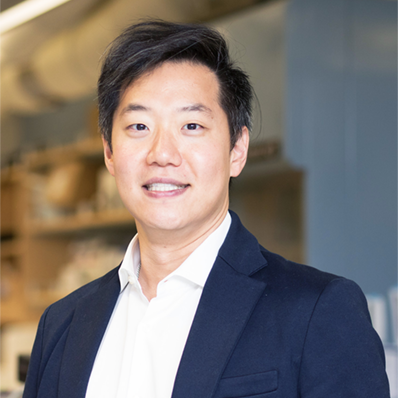
Lee, Changhan David
Associate Professor of Gerontology
The Lee Lab investigates how metabolism regulates aging and age-related diseases, including Alzheimer’s, with a focus on mitochondrial communication. Traditionally viewed as end-stage organelles, mitochondria are now recognized as active signaling hubs. We study newly discovered bioactive microproteins encoded in the mitochondrial genome—particularly within the 12S rRNA region—that act as innate signals influencing cell and organismal physiology. These microproteins function both within and between cells and may serve as mitochondrial longevity genes and therapeutic targets. Our work bridges molecular biology and whole-organism physiology to uncover how mitochondria influence aging from within. Students interested in metabolism, mitochondrial biology, and translational aging research will find rich opportunities here.