

Humayun, Mark
Professor of Ophthalmology, Stem Cell Biology and Regenerative Medicine and Biomedical Engineering
Retinal research to restore vision using bioelectronics and stem cells

Ichida, Justin
Associate Professor of Stem Cell Biology and Regenerative Medicine
We are interested in understanding mechanisms underlying neurodegenerative and neurodevelopmental diseases. We also aim to develop new therapeutic strategies for these disorders.
Jakowec, Michael
Professor of Clinical Pharmacy (Teaching)
The primary focus of research in Dr. Jakowec’s laboratory is to better understand the underlying molecular mechanisms involved in neuroplasticity in the injured brain with the emphasis on the basal ganglia and prefrontal cortex, regions of the brain responsible for motor and cognitive behaviors.The overarching goal is to find improved therapeutic approaches for brain disorders especially Parkinson’s disease and drug addiction. For the past 20 years the laboratory has examined the effects of exercise on promoting neuroplasticity, particularly synaptogenesis in animal models of Parkinson’s disease. In addition to non-pharmacological approaches to promote brain repair, ongoing studies are using an experimental therapeutics approach to explore pharmacological interventions to determine if novel drugs can serve as a means to enhance brain repair, especially in the context of exercise. Recent studies have focused on the mechanisms by which astrocytes support neuronal function as well as mechanisms by which boosting mitochondrial integrity can promote improved functional connectivity and restoration of motor and cognitive behaviors.
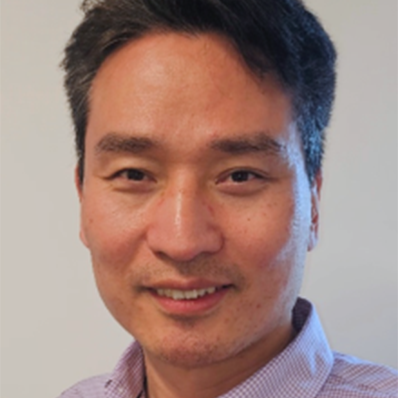
Kim, Hosung
Associate Research Professor of Neurology
Currently, we are particularly focused on the morphometry of the perivascular space and non-invasive measurement of Glymphatic flow (a water flow system in the brain that helps clear waste products and toxins) using MRI and artificial intelligence. This research enhances our understanding of the underlying mechanisms involved in sleep disorders, accelerated brain aging due to poor sleep and impaired Glymphatic function, and neurodegenerative diseases such as Alzheimer's disease and other forms of dementia. Dr. Hosung Kim serves as the PI of NIDLL, and guides and coordinates the research efforts of the lab members. We welcome you to join the lab and participate in our valuable research.
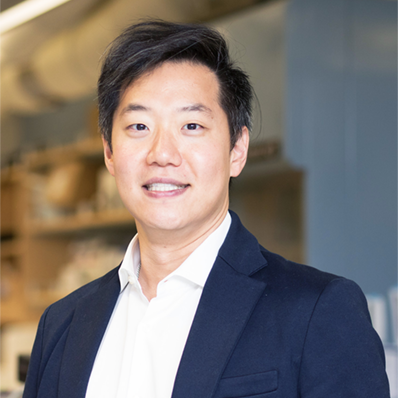
Lee, Changhan David
Associate Professor of Gerontology
The Lee Lab investigates how metabolism regulates aging and age-related diseases, including Alzheimer’s, with a focus on mitochondrial communication. Traditionally viewed as end-stage organelles, mitochondria are now recognized as active signaling hubs. We study newly discovered bioactive microproteins encoded in the mitochondrial genome—particularly within the 12S rRNA region—that act as innate signals influencing cell and organismal physiology. These microproteins function both within and between cells and may serve as mitochondrial longevity genes and therapeutic targets. Our work bridges molecular biology and whole-organism physiology to uncover how mitochondria influence aging from within. Students interested in metabolism, mitochondrial biology, and translational aging research will find rich opportunities here.