
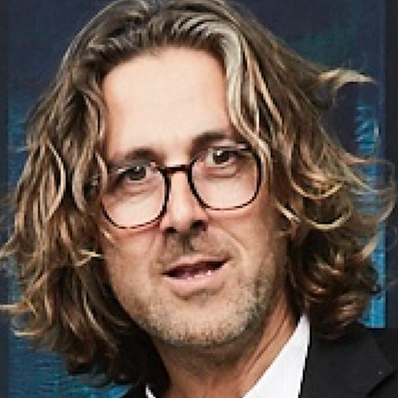
Coricelli, Giorgio
Professor of Economics and Psychology
We study human behaviors emerging from the interplay of cognitive and emotional systems. Our research agenda includes two main projects. The first one concerns the role of emotions in decision making, and the second is aimed at investigating the relational complexity in social interaction. Our objective is to apply robust methods and findings from behavioral decision theory to study the brain structures that contribute to forming judgments and decisions, both in an individual and a social context.

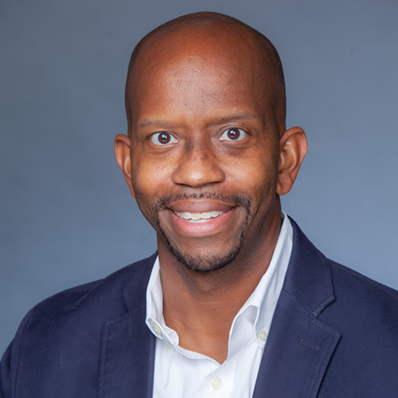
Finley, James
Associate Professor of Biokinesiology and Physical Therapy
In the USC Locomotor Control Lab, we seek to understand how walking is controlled and adapted in both the healthy and injured neuromuscular systems. We develop models and experiments based on principles of neuroscience, biomechanics, engineering, and exercise physiology to identify the factors that guide locomotor learning and rehabilitation. Ultimately, the goal of our work is to design novel and effective interventions to improve walking ability in individuals with damage to the nervous system.

Han, S.Duke
Professor of Psychology and Family Medicine
The Han Research Laboratory is dedicated to improving the health, wellbeing, and independence of adults living into old age. We are interested in investigating the diverse factors and neurobiological mechanisms that impact cognition and decision making across the lifespan using multidisciplinary approaches informed by the fields of neuropsychology, cognitive and systems neuroscience, epidemiology, genetics, and behavioral economics.
Itti, Laurent
Professor of Computer Science and Psychology
The main fundamental research focus of the lab is in using computational modeling to gain insight into biological brain function. Thus, we study biologically-plausible brain models, and we compare the predictions of model simulations to empirical measurements from living systems. The brain subsystem towards which most of our efforts are focused is the visual system. Our modeling efforts range from fairly detailed models of small neuronal circuits, such as a single hypercolumn of orientation-selective neurons in primary visual cortex, to large-scale models embodying several million highly-simplified neurons to explore mechanisms of visual attention, gaze control, object recognition, and goal-oriented scene understanding. Further, we strive to employ modeling principles which are mathematically optimal in some task- and goal-dependent sense. Thus, we are interested in investigating the tasks and conditions for which the biological brain approaches the theoretical limits of information processing.

Matho, Katherine
Assistant Professor of Pediatrics
How do developmental and genetic programs build brain circuits for complex behavior? My lab investigates this question by integrating developmental neuroscience, molecular genetics, and multi-scale circuit mapping to study cortical sensorimotor circuits underlying goal-directed actions and perception. Using interdisciplinary approaches, such as gene knockin mouse lines and single cell profiling, we examine how neuronal identity and connectivity emerge during development. Our goal is to uncover the molecular and developmental logic of circuit assembly in neurotypical development and how the key building blocks that make up the circuits—cell types—are disrupted in neurodevelopmental disorders. We hypothesize that a temporal patterning program during pregnancy specifies neuron subtype and wiring, shaping sensorimotor function in the mature brain.
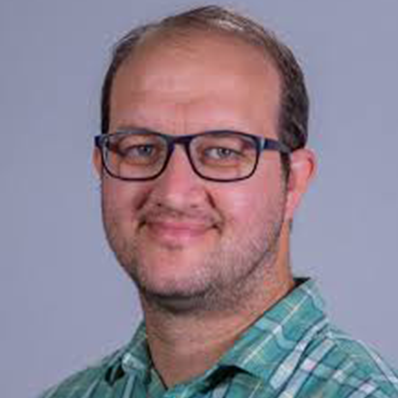
Moore, Jeffrey
Assistant Professor of Biological Sciences
Many mammals sense and affect their environment predominantly through innate motor programs for exploration, social interaction, and ingestion; yet, little is known about the neuronal circuits that control these motor programs. Our lab uses molecular, systems, and computational neurobiological techniques to identify specific brainstem motor control modules and to determine how higher-order brain structures engage these modules for innate behaviors.