

Page, Katie
Associate Professor of Medicine and Pediatrics
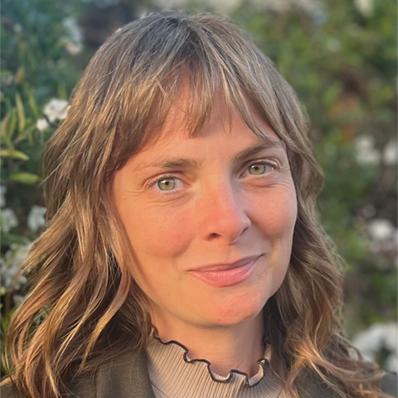
The Brain Regulation of Appetite, Nutrition, Cognition, & Health (BRANCH) Lab has two major research programs: (i) Neuroendocrine regulation of appetite & glucose homeostasis (ii) Maternal-fetal programming of metabolism. Our translational research program addresses questions from a broad perspective by combining a number of disciplines (neuroscience, physiology, nutrition, psychology) and novel techniques to understand neural mechanisms of metabolic diseases.

Schier, Lindsey
Associate Professor of Biological Sciences
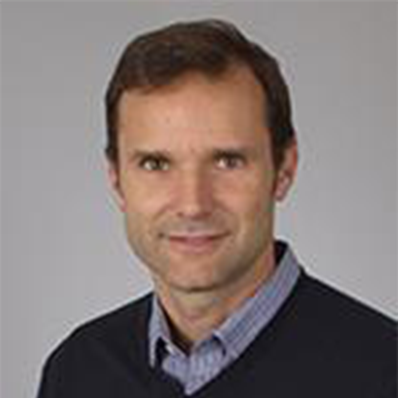
The Schier lab seeks to understand how the chemical constituents of foods and fluids are sensed, how these oral and postoral signals are processed in the brain and channeled into the behavioral outputs that subserve energy balance.
Sieburth, Derek
Associate Professor of Physiology & Neuroscience
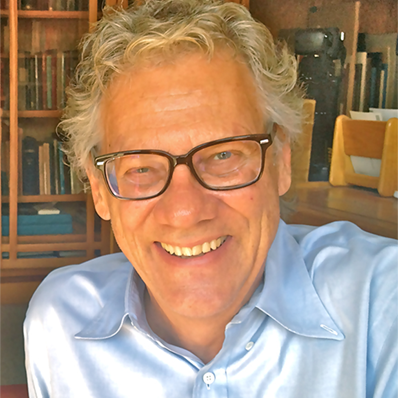
Our lab is interested in understanding how neuronal signal transduction pathways regulate neurotransmitter secretion and how this impacts the function of underlying neuronal circuits that control behavioral output.
Watts, Alan
Professor of Biological Sciences
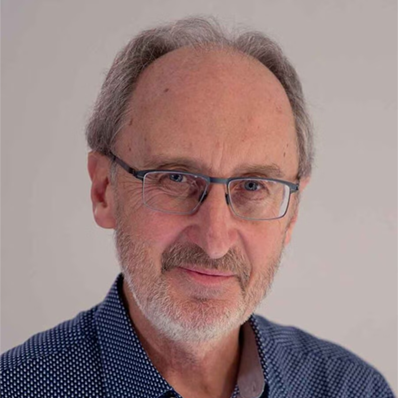
My work focuses on understanding how the brain contributes to the development, manifestation, and complications of diabetes and obesity, primarily on how this happens at the neural network level. In particular, I am interested in how interoceptive and exteroceptive signals interact with the brain to control endocrine and behavioral responses to energy deficits. Currently I am using neuroinformatic methods to explore how the rat brain connectome can reveal the organization of the control networks that influence the behavioral, endocrine, and autonomic motor events associated with metabolic physiology and its dysfunction.

Zhao, Zhen
Assistant Professor of Physiology & Neuroscience
I received my Ph.D. in neuroscience from the University of Southern California (USC) in 2009, continued my journey at USC as a postdoctoral fellow in 2010, and was promoted to tenure-track assistant professor at in 2017. My scientific training and research expertise covers neurosciences and immunology, as I was mentored by several renowned mentors in these fields, particularly Dr Berislav Zlokovic on blood-brain barrier and neurodegenerative diseases. Currently, my main research objective is to explore the genetic, molecular and cellular mechanisms of neurodegeneration, understand the crosstalk between the cell types of the brain and explore new approaches to restore the functional crosstalk for the treatment of neurodegenerative diseases.