

Eich, Teal
Associate Professor of Gerontology
My research centers on understanding sex differences in the cognitive and neural mechanisms underlying learning and memory changes in healthy and pathological aging, with a particular focus on Alzheimer’s disease. My lab uses a combination of cognitive, biobehavioral (biomarkers, endocrine profiles), and neuroimaging (structural, spectroscopic, and functional) to understand memory and executive function in normal aging, and seeks to translate these empirical and theoretical findings to model cognitive disorders in psychopathologic and neurodegenerative diseases, where high level cognitive failures can be particularly deleterious both for the individual and society at large.


Gati, Cornelius
Assistant Professor of Biological Sciences
Structural biology, biophysics and pharmacology, with a focus on GPCRs and membrane transporters.

Hires, Samuel Andrew
Associate Professor of Biological Sciences
The Hires lab is investigating the basis of biological intelligence. Over the past decade we developed numerous imaging tools to record large-scale patterns of neural activity that are used by thousands of neuroscience labs. These have resulted in hundreds of publicly available datasets embedded with rich representations of neural activity. We are now developing analytical tools, using recent AI developments, to ultimately distill undiscovered principles of biological intelligence from these datasets.

Ichida, Justin
Associate Professor of Stem Cell Biology and Regenerative Medicine
We are interested in understanding mechanisms underlying neurodegenerative and neurodevelopmental diseases. We also aim to develop new therapeutic strategies for these disorders.
Jakowec, Michael
Professor of Clinical Pharmacy (Teaching)
The primary focus of research in Dr. Jakowec’s laboratory is to better understand the underlying molecular mechanisms involved in neuroplasticity in the injured brain with the emphasis on the basal ganglia and prefrontal cortex, regions of the brain responsible for motor and cognitive behaviors.The overarching goal is to find improved therapeutic approaches for brain disorders especially Parkinson’s disease and drug addiction. For the past 20 years the laboratory has examined the effects of exercise on promoting neuroplasticity, particularly synaptogenesis in animal models of Parkinson’s disease. In addition to non-pharmacological approaches to promote brain repair, ongoing studies are using an experimental therapeutics approach to explore pharmacological interventions to determine if novel drugs can serve as a means to enhance brain repair, especially in the context of exercise. Recent studies have focused on the mechanisms by which astrocytes support neuronal function as well as mechanisms by which boosting mitochondrial integrity can promote improved functional connectivity and restoration of motor and cognitive behaviors.
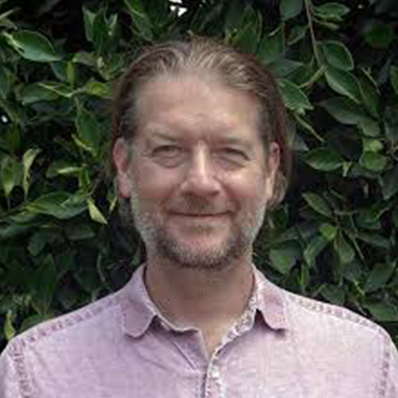
Kanoski, Scott
Professor of Biological Sciences
The prevalence of obesity has exploded over the past 40 years. The biological systems that underlie the excessive eating behavior contributing to obesity onset remain poorly understood. Our research goal is to discover the neural systems and psychological processes that control energy balance, with a particular focus on understanding the neurobiological substrates that regulate obesity-promoting behaviors such as food impulsivity and environmental cue-induced feeding. Another primary focus of our lab is to study how the brain is negatively impacted by dietary and metabolic factors. Consumption of Western diets (high in saturated fatty acids and sugars) not only contributes to obesity development, but also produces deficits in learning and memory capabilities and can even increase the risk for developing dementia. We are currently examining the specific causal dietary factors, critical developmental periods, and neurobiological mechanisms underlying diet-induced cognitive decline. Ongoing research identifies the gut microbiome as a critical link between unhealthy junk food diets and neurocognition.