


Goldsworthy, Ray
Clinical Associate Professor of Otolaryngology and Biomedical Engineering
Ray's research combines psychoacoustics, signal processing, and auditory rehabilitation towards improving hearing for the hearing impaired with emphasis on cochlear implant technology. Ray's research examines relationships between fundamental limits of auditory resolution with speech recognition. This line of research provides a foundation for quantifying auditory capacity, and sets the stage for systematically exploring signal processing solutions to enhance hearing for the impaired. Ray's signal processing research focuses on strategies that are inspired by the dynamic processes observed in healthy hearing. These strategies range from spatial beamformers modeled after binaural hearing to cochlear implant stimulation strategies inspired by auditory nerve physiology. Combining psychoacoustics and signal processing ultimately requires careful attention to auditory rehabilitation since cochlear implant and hearing aid users generally require dedicated time and training to learn how to use new information provided by enhanced signal processing solutions.


Herring, Bruce
Associate Professor of Biological Sciences
The Herring lab integrates in vivo calcium imaging, machine learning-enhanced behavioral analysis, and ex vivo brain slice electrophysiology to understand the development of ASD/ID and psychiatric disorders in the brain.
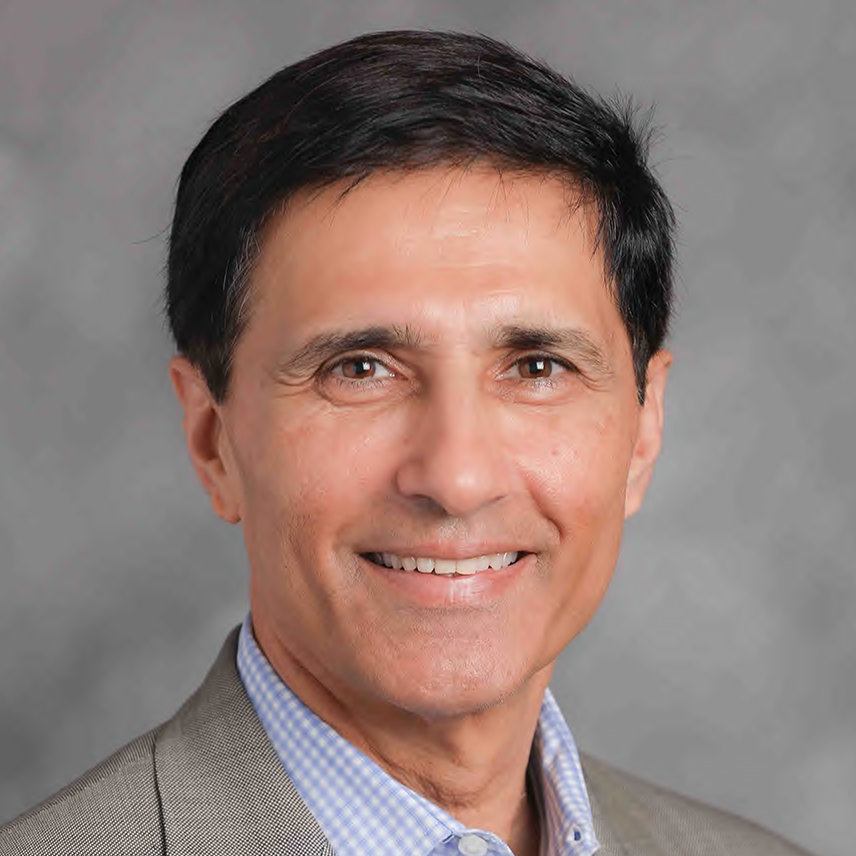
Humayun, Mark
Professor of Ophthalmology, Stem Cell Biology and Regenerative Medicine and Biomedical Engineering
Retinal research to restore vision using bioelectronics and stem cells

Ichida, Justin
Associate Professor of Stem Cell Biology and Regenerative Medicine
We are interested in understanding mechanisms underlying neurodegenerative and neurodevelopmental diseases. We also aim to develop new therapeutic strategies for these disorders.

Itti, Laurent
Professor of Computer Science and Psychology
The main fundamental research focus of the lab is in using computational modeling to gain insight into biological brain function. Thus, we study biologically-plausible brain models, and we compare the predictions of model simulations to empirical measurements from living systems. The brain subsystem towards which most of our efforts are focused is the visual system. Our modeling efforts range from fairly detailed models of small neuronal circuits, such as a single hypercolumn of orientation-selective neurons in primary visual cortex, to large-scale models embodying several million highly-simplified neurons to explore mechanisms of visual attention, gaze control, object recognition, and goal-oriented scene understanding. Further, we strive to employ modeling principles which are mathematically optimal in some task- and goal-dependent sense. Thus, we are interested in investigating the tasks and conditions for which the biological brain approaches the theoretical limits of information processing.

Jakowec, Michael
Professor of Clinical Pharmacy (Teaching)
The primary focus of research in Dr. Jakowec’s laboratory is to better understand the underlying molecular mechanisms involved in neuroplasticity in the injured brain with the emphasis on the basal ganglia and prefrontal cortex, regions of the brain responsible for motor and cognitive behaviors.The overarching goal is to find improved therapeutic approaches for brain disorders especially Parkinson’s disease and drug addiction. For the past 20 years the laboratory has examined the effects of exercise on promoting neuroplasticity, particularly synaptogenesis in animal models of Parkinson’s disease. In addition to non-pharmacological approaches to promote brain repair, ongoing studies are using an experimental therapeutics approach to explore pharmacological interventions to determine if novel drugs can serve as a means to enhance brain repair, especially in the context of exercise. Recent studies have focused on the mechanisms by which astrocytes support neuronal function as well as mechanisms by which boosting mitochondrial integrity can promote improved functional connectivity and restoration of motor and cognitive behaviors.