


Boato, Francesco
The Functional Repair and Axonogenesis (FRA) lab investigates how the central nervous system (CNS) is wired during development and how these pathways can be reactivated and modulated to promote repair after injury, particularly in the spinal cord and optic nerve. We study growth pathways, axon guidance cues, and neuron-glia interactions that shape connectivity in the CNS. By combining genetic, molecular, behavioral and advanced imaging approaches, we examine neuronal migration, synaptogenesis, and responses to injury. Our goal is to uncover fundamental mechanisms that can be leveraged to drive regeneration, circuit formation and functional recovery in neurological disorders. Trainees will join a collaborative, interdisciplinary environment and will gain experience at the interface of developmental neurobiology and CNS regeneration.


Chen, Jeannie
Professor of Physiology and Neuroscience
The major focus of my laboratory is to study sensory neuron signaling and mechanisms of retinal degeneration and neurodegeneration using cell culture and rodent models. Through interdisciplinary collaboration, we deciphered basic mechanisms of sensory neuron signal transduction and disease pathogenesis in retinal degeneration and neurodegeneration where protein mis-folding and aggregation is an underlying cause of disease.

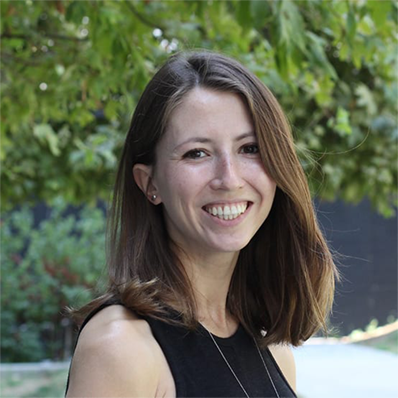
Gnedeva, Ksenia
Our perception of the environment relies on specialized cellular receptors residing in epithelial sensory organs. While olfactory and gustatory receptor cells are naturally reproduced throughout life in order to sustain the senses of smell and taste, age-related degeneration of retinal, auditory, and vestibular sensory organs is largely irreversible in humans. In the Gnedeva laboratory, we interrogate how molecular signaling and tissue mechanics control embryonic sensory organ growth and how the developmental programs of self-renewal and differentiation can be re-initiated in the mammalian inner ear after damage. Although the focus of our research is on hearing and balance restoration, our lab has broader interest in the common mechanisms that suppress regeneration in specialized sensory tissues.
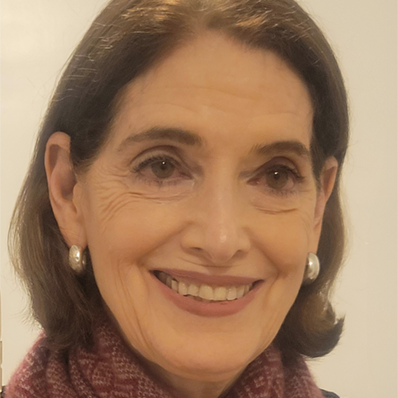
Hirsch, Judith A.
Gabilan Distinguished Professorship in Science and Engineering and Professor of Biological Sciences
Our laboratory studies the thalamus, the interface between neocortex and the sensory periphery. Thalamus was once regarded as a simple gatekeeper, passively relaying information during waking and shielding neocortex from disturbance during sleep, but this is an impoverished view. We explore how thalamus, itself, contributes to sensory integration. In particular, we study the structure of neural circuits in the visual part of thalamus, how these operate during vision and how they extract and recode information from the eye. Our work shows how thalamus might contribute to visual processing by, for example, sharpening the visual image and increasing the efficiency of the neural code. Because circuits in different parts of thalamus are similar, our work pertains to thalamic function in general.
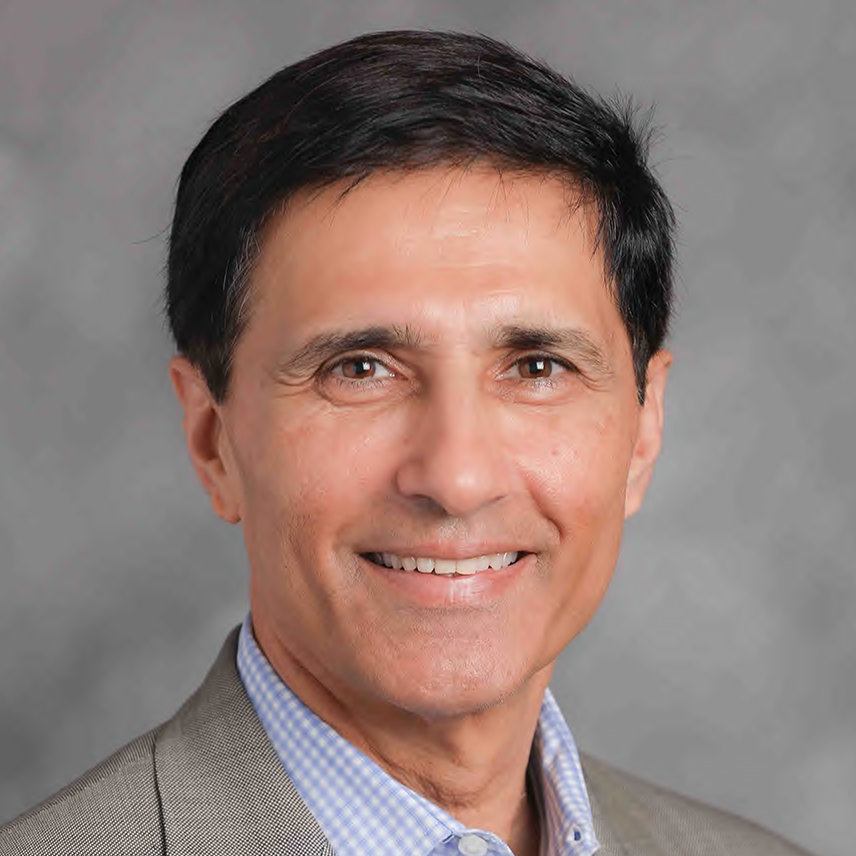
Humayun, Mark
Professor of Ophthalmology, Stem Cell Biology and Regenerative Medicine and Biomedical Engineering
Retinal research to restore vision using bioelectronics and stem cells

Itti, Laurent
Professor of Computer Science and Psychology
The main fundamental research focus of the lab is in using computational modeling to gain insight into biological brain function. Thus, we study biologically-plausible brain models, and we compare the predictions of model simulations to empirical measurements from living systems. The brain subsystem towards which most of our efforts are focused is the visual system. Our modeling efforts range from fairly detailed models of small neuronal circuits, such as a single hypercolumn of orientation-selective neurons in primary visual cortex, to large-scale models embodying several million highly-simplified neurons to explore mechanisms of visual attention, gaze control, object recognition, and goal-oriented scene understanding. Further, we strive to employ modeling principles which are mathematically optimal in some task- and goal-dependent sense. Thus, we are interested in investigating the tasks and conditions for which the biological brain approaches the theoretical limits of information processing.