

Mel, Bartlett
Associate Professor of Biomedical Engineering
Our research involves the use of computer models to study brain function. Some of our goals are of a primarily scientific nature. For example, we use detailed biophysiical modeling to study synaptic integration in active dendritic trees, and explore how dendritic trees could contribute to the sensory and memory-related functions of nerve cells. Some of our work combines scientific and engineering goals. For example, we have modeled the complex computations carried out in the visual cortex that allow us to recognize objects with remarkable speed, accuracy, and robustness -- far beyond the technical state of the art. Our overarching goal is to use insights gained from this work to help in the construction of next-generation intelligent machines.

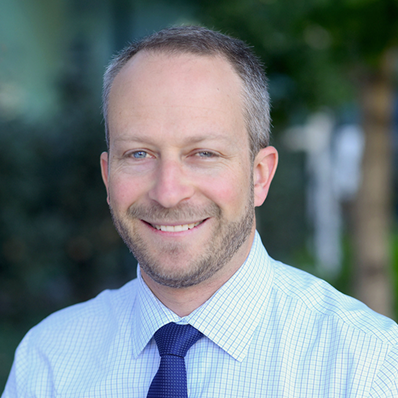
Nagiel, Aaron
Assistant Professor of Clinical Ophthalmology
The development and maintenance of specific synaptic connections between retinal neurons is critical to its function. Within the last 10 years it has become possible to grow 3-dimensional, multi-layered retinal organoids derived from human stem cells. This advance permits the study of human retinal development and the establishment of synaptic connectivity. Our goal is to elucidate mechanisms underlying synapse formation and specificity in the first synapse of the human visual system. Access to CRISPR-engineered organoids allows us to understand this process in the disease state.
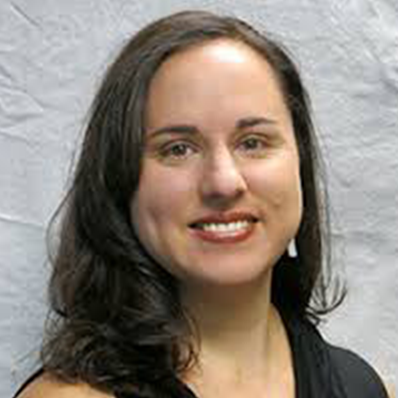

Tao, Huizhong W.
Professor of Physiology and Neuroscience
My lab studies how the mouse brain processes visual information and transforms it into behavior. Our research focuses on identifying the neural circuits involved in visual perception and how these circuits drive visually guided actions. We use a combination of techniques—including electrophysiology to record neural activity, microendoscopic calcium imaging to monitor populations of neurons in freely moving animals, and both optogenetics and chemogenetics to precisely manipulate specific circuit components. By integrating these approaches, we aim to understand how visual signals are encoded, transmitted, and used to guide behavior at the level of individual neurons and larger networks.

Zhang, Li
Professor of Physiology and Neuroscience
As systems neuroscientists, we aim to decipher brain circuits to understand how perception and behavior arise, how the brain adapts to a dynamic environment, and how circuit dysfunction contributes to neurological and psychiatric disorders. We focus on resolving neural architecture—the wiring of neurons that underlies brain function. Technical innovation is central to our approach. We have developed molecular, genetic, electrophysiological, and imaging tools to study circuits supporting both local computation and behavior. Our research integrates in vivo and in vitro electrophysiology, two-photon calcium imaging, neural modeling, anatomical tracing, and optogenetics to build a comprehensive understanding of cell-type-specific circuit mechanisms.