

McKemy, David
Professor of Biological Sciences
The McKemy laboratory studies the neurobiological basis of pain, focusing on general somatic sensations of pain, painful neuropathies associated with chronic injury and disease, and the mechanisms that lead to migraine headaches. The lab is also interested in how the microbiome alters general physiological functions that can lead to pain and other disorders.

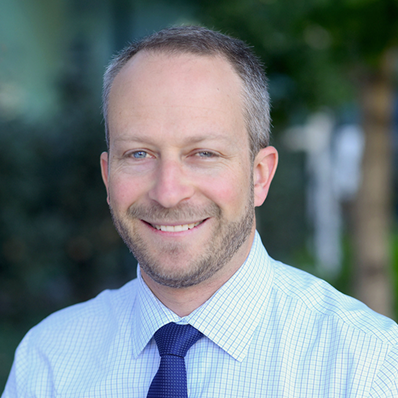
Nagiel, Aaron
Assistant Professor of Clinical Ophthalmology
The development and maintenance of specific synaptic connections between retinal neurons is critical to its function. Within the last 10 years it has become possible to grow 3-dimensional, multi-layered retinal organoids derived from human stem cells. This advance permits the study of human retinal development and the establishment of synaptic connectivity. Our goal is to elucidate mechanisms underlying synapse formation and specificity in the first synapse of the human visual system. Access to CRISPR-engineered organoids allows us to understand this process in the disease state.
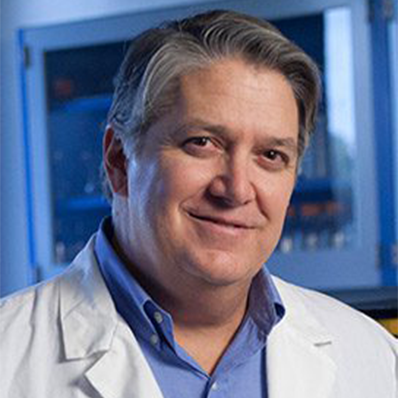
Pike, Christian
Research in the Pike Lab is broadly focused on Alzheimer’s disease (AD), with the general goals of elucidating factors that regulate AD pathogenesis and pursuing translational strategies for the prevention and treatment of the disease. Our approach to investigating research questions involves the use of complementary cellular, biochemical and molecular techniques to analyze relationships in human tissues, rodent models, and cultured cells. Current areas of research focus in the Pike Lab include the contributions of the genetic risk factor APOE4 to AD pathogenesis, sex differences in AD, and the protective efficacy of longevity-promoting interventions including fasting mimicking diet and candidate compounds. We seek to identify and elucidate the mechanisms underlying AD risks and use this information to develop therapeutic interventions.
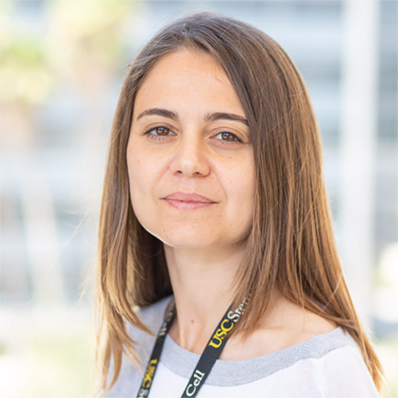
Quadrato, Giorgia
Associate Professor of Stem Cell Biology and Regenerative Medicine
The Quadrato lab focuses on understanding the cellular and molecular basis of human brain development and mental disorders. We seek to produce meaningful work that advances the fundamental knowledge of our field and provides new tools to do it. By combining emerging models of the human brain with single-cell -omics approaches, we aim to identify brain region and cell type-specific disease mechanisms and, above all, new treatments for neuropsychiatric disorders. To improve the physiological relevance of human pluripotent stem cell-derived organoids, our lab is leveraging interdisciplinary strategies and technologies aimed at tighter regulatory control of organoid development through bioengineering approaches, along with newer unbiased organoid analysis readouts.

Rissman, Robert
Professor of Physiology and Neuroscience
Dr. Rissman is Professor Physiology and Neuroscience and founding Director of the Neuroscience Translational Research Division (NTRD) of USC’s Alzheimer’s Therapeutic Research Institute in San Diego. Dr. Rissman’s basic science research goal is to identify and validate plasma biomarkers for Alzheimer’s Disease and Related Disorders (ADRD) to better understand mechanisms of neurodegeneration and to streamline clinical trials recruitment. Work from Dr. Rissman’s lab has led to the validation of plasma biomarkers that predict AD brain neuropathology and progression of dementia. Also, through analysis of plasma-derived extracellular vesicles, his group was the first to demonstrate that TDP-43 protein within astrocyte extracellular vesicles can identify Limbic-predominant age-related TDP-43 encephalopathy (LATE).
Sieburth, Derek
Associate Professor of Physiology & Neuroscience
Our lab is interested in understanding how neuronal signal transduction pathways regulate neurotransmitter secretion and how this impacts the function of underlying neuronal circuits that control behavioral output.