
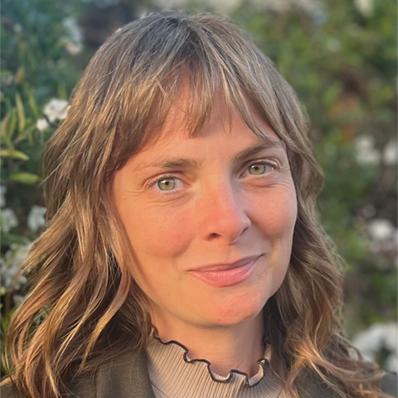
Schier, Lindsey
Associate Professor of Biological Sciences
The Schier lab seeks to understand how the chemical constituents of foods and fluids are sensed, how these oral and postoral signals are processed in the brain and channeled into the behavioral outputs that subserve energy balance.


Sieburth, Derek
Associate Professor of Physiology & Neuroscience
Our lab is interested in understanding how neuronal signal transduction pathways regulate neurotransmitter secretion and how this impacts the function of underlying neuronal circuits that control behavioral output.

Tabbaa, Manal
Research in the Tabbaa lab leverages genetically diverse mouse genetic reference panels to model individual differences in complex behaviors and susceptibility to a high-confidence autism risk gene. The goal of these projects is to better model genetically diverse populations in mice in order to address the challenging issue of developmental heterogeneity and genetic risk factor susceptibility in human neurodevelopmental disorders.

Wang, Lu
Assistant Professor of Dentistry
Our lab aims to push the boundary of our understanding of human brain in development and related disorders with discoveries focused on non-neuronal cells, environmental stress, and genetic mutations, leveraging the stem cell-based organoid/PCCO-assembled model in combination with the state-of-art genetic and genomic (single cell level) strategies to expand our knowledge of the cell-cell communication, fate dynamics, and niche homeostatic of the non-neuronal cells (astrocytes and pericytes) in health, and emergency rescue when they are under stress or in disease. Ultimately, our collective efforts, alongside those of others in the field, will pave the way for groundbreaking interventions in the realm of neurological disease.
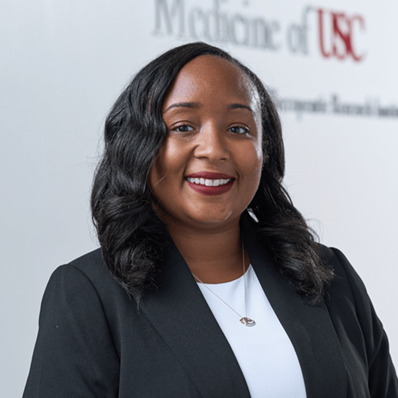
Winston, Charisse
Assistant Professor of Physiology and Neuroscience
r. Winston’s lab focuses on advancing the field of biofluid-based extracellular vesicles as biomarkers for early diagnosis of Alzheimer’s disease and other age-related dementias while addressing brain health inequities that exist amongst underserved patient groups.
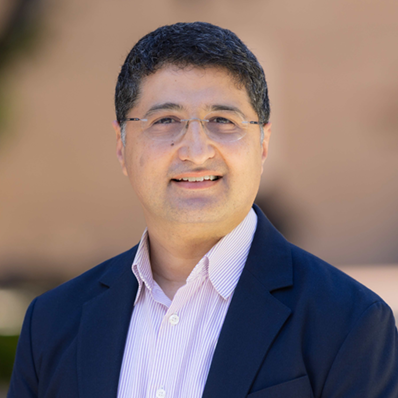
Yassine, Hussein
We study how APOE4 increases the risk of AD through cell, animal and imaging models and in human clinical trials.