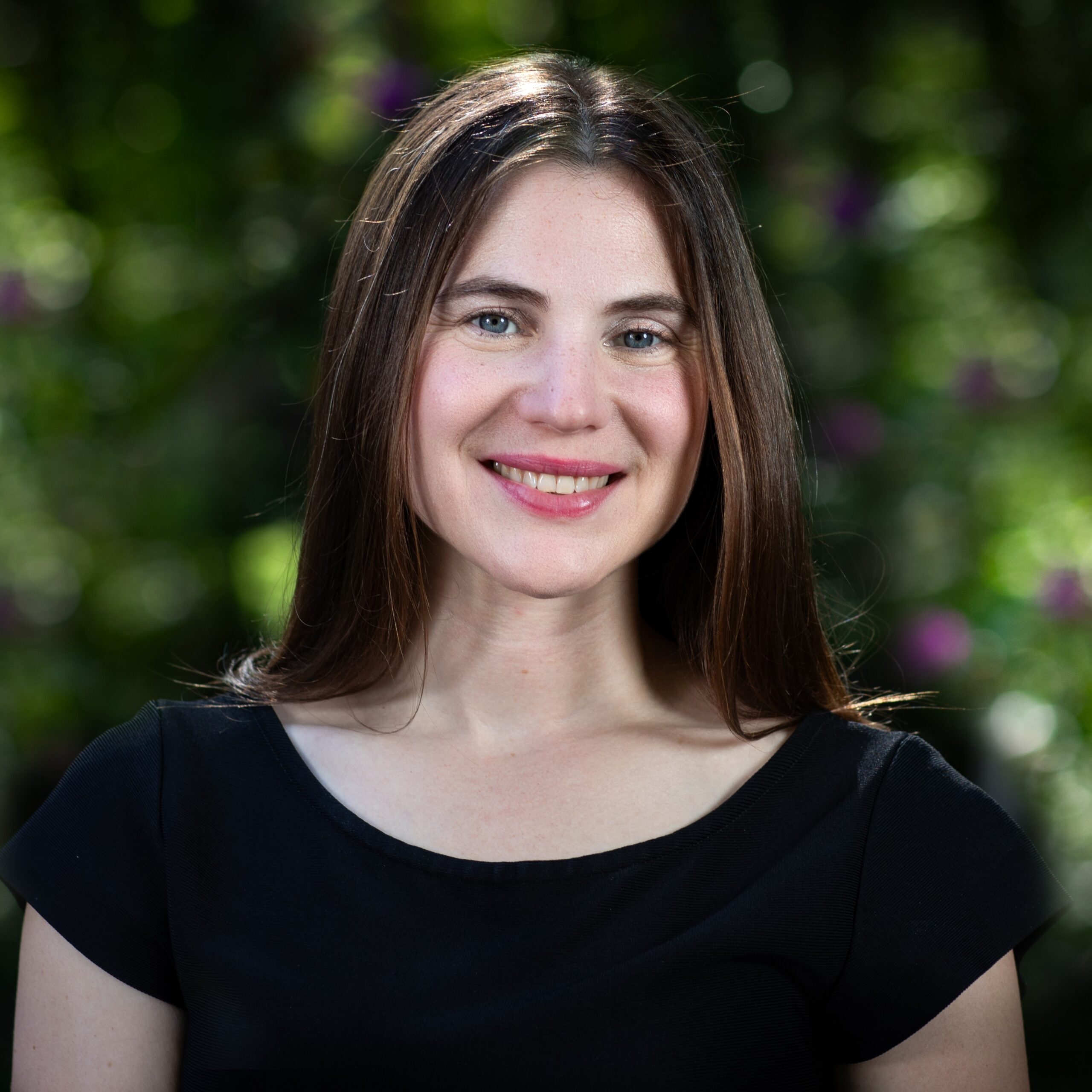


Liman, Emily
Harold W. Dornsife Chair in Neuroscience and Professor of Biological Sciences
The Liman lab studies how ion channels enable sensory cells to convert chemical and mechanical cues into electrical signals. We discovered the Otopetrin (OTOP) family of proton-selective ion channels and showed that OTOP1 is the long-sought sour-taste receptor as well as a detector of ammonium. Using patch-clamp electrophysiology, structure-guided mutagenesis, cryo-EM, and in vivo genetics we aim to reveal how protons permeate OTOP pores, how gating is tuned by pH and lipids, and how channel activity shapes taste, balance, and metabolic physiology. Ongoing projects extend these questions to other OTOP isoforms combining medium-throughput screening with computational modeling to identify first-in-class modulators and mouse genetics to identify and manipulate cells that express OTOP channels. Students gain rigorous cross-disciplinary training in membrane biophysics and sensory neuroscience while working in a collaborative, inclusive environment.



Longo, Valter
Professor of Gerontology and Biological Sciences
WE are interested in the biology of aging and neurodegenerative diseases including Parkinson and Alzheimer. Our focus is on the connection between systemic dysfunction and aging and cognitive decline. One of our ongoing questions is how do aging and insulin resistance accelerate brain aging and Alzheimer's disease, with focus on neuroinflammation

Lyden, Patrick
Professor of Physiology and Neuroscience and Neurology
The Lyden lab has been funded by NIH, VA and AHA for over 30 years. The lab is focused on translational pre-clinical stroke modeling, pharmacology, and vascular biology. The lab has considerable experience with a variety of animal models; behavioral testing; histology; and cell biology. The lab was selected by NINDS to develop and manage the Stroke Preclinical Assessment Network (SPAN) as the Coordinating Center. Current projects include studies to determine the mechanisms of differential vulnerability in the neurovascular unit; effects of microglial activation on neuronal survival; and blood brain barrier disruption during stroke and mild traumatic brain injury.
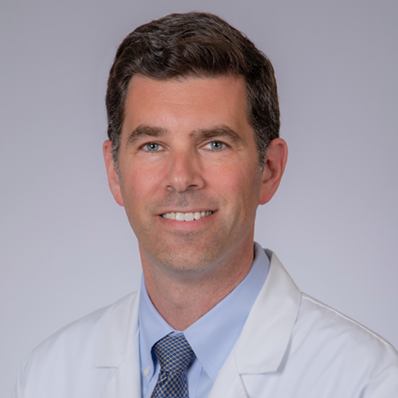
Mack, William
Professor of Neurological Surgery (Clinical Scholar)
Dr. Mack is the Principal Investigator and Director of the Cerebrovascular Laboratory in the Zilkha Neurogenetic Institute. His overarching academic goal is to examine the effects of inflammation in experimental models of cerebrovascular disease.

Mather, Mara
Professor of Gerontology, Psychology, and Biomedical Engineering
The autonomic nervous system plays an underappreciated role in age-related change in the brain and cognition. But the sympathetic hub region in the brain (the locus coeruleus) is one of the first brain regions affected by Alzheimer’s disease pathology and deep sleep, a period of high parasympathetic activity, is critical for clearing out the potentially toxic proteins generated by the brain’s activity during the day (it is the aggregation of such proteins that leads to the hallmark plaques and tangles seen in Alzheimer’s disease). Our research is investigating how both sympathetic and parasympathetic function affect brain function and cognition in aging and how interventions that increase parasympathetic activity may enhance brain function in older adults.
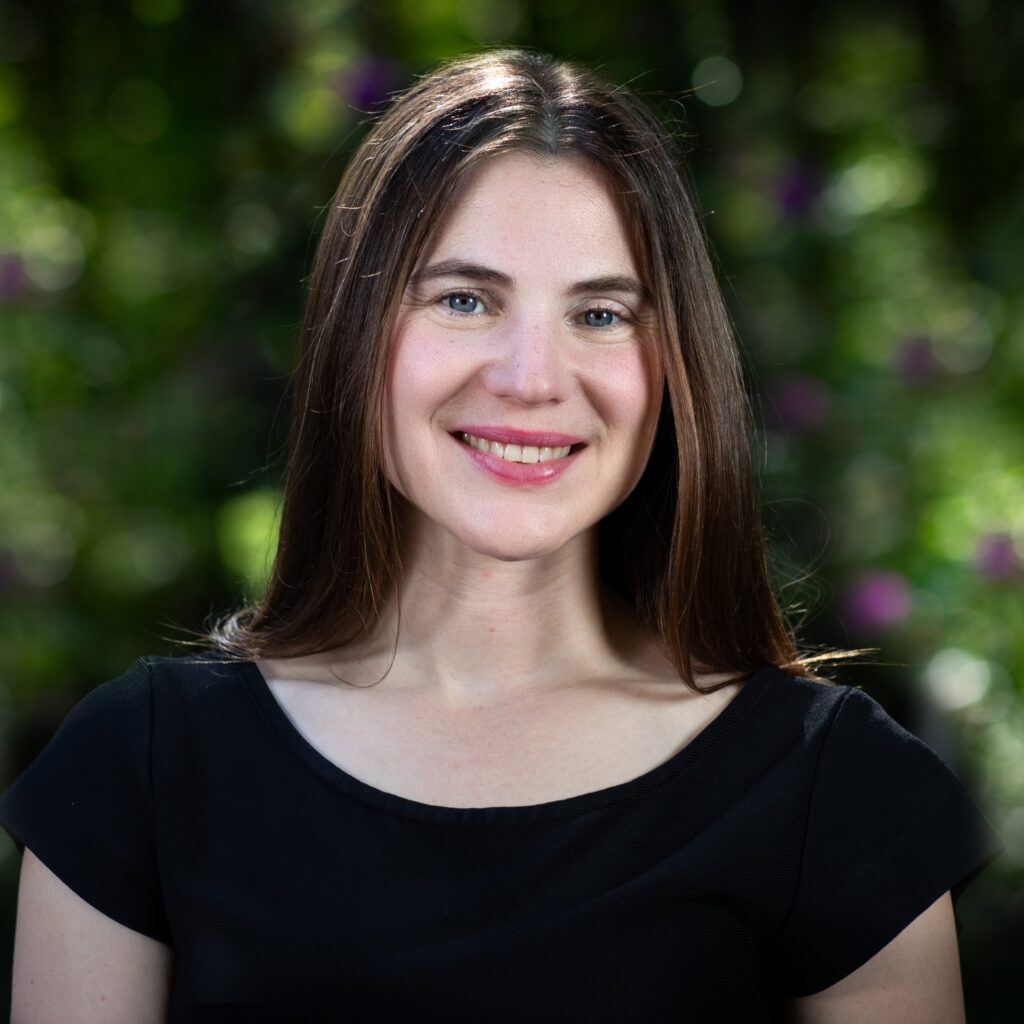
Matho, Katherine
How do developmental and genetic programs build brain circuits for complex behavior? My lab investigates this question by integrating developmental neuroscience, molecular genetics, and multi-scale circuit mapping to study cortical sensorimotor circuits underlying goal-directed actions and perception. Using interdisciplinary approaches, such as gene knockin mouse lines and single cell profiling, we examine how neuronal identity and connectivity emerge during development. Our goal is to uncover the molecular and developmental logic of circuit assembly in neurotypical development and how the key building blocks that make up the circuits—cell types—are disrupted in neurodevelopmental disorders. We hypothesize that a temporal patterning program during pregnancy specifies neuron subtype and wiring, shaping sensorimotor function in the mature brain.