

McKemy, David
Professor of Biological Sciences
The McKemy laboratory studies the neurobiological basis of pain, focusing on general somatic sensations of pain, painful neuropathies associated with chronic injury and disease, and the mechanisms that lead to migraine headaches. The lab is also interested in how the microbiome alters general physiological functions that can lead to pain and other disorders.
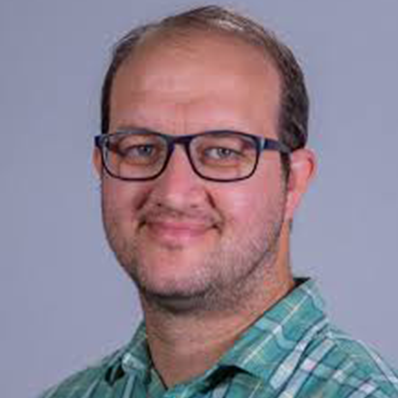
Moore, Jeffrey
Assistant Professor of Biological Sciences
Many mammals sense and affect their environment predominantly through innate motor programs for exploration, social interaction, and ingestion; yet, little is known about the neuronal circuits that control these motor programs. Our lab uses molecular, systems, and computational neurobiological techniques to identify specific brainstem motor control modules and to determine how higher-order brain structures engage these modules for innate behaviors.
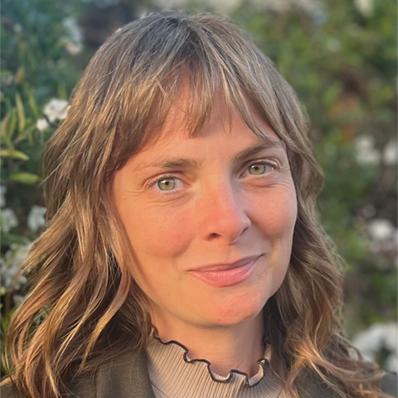
Schier, Lindsey
Associate Professor of Biological Sciences
The Schier lab seeks to understand how the chemical constituents of foods and fluids are sensed, how these oral and postoral signals are processed in the brain and channeled into the behavioral outputs that subserve energy balance.
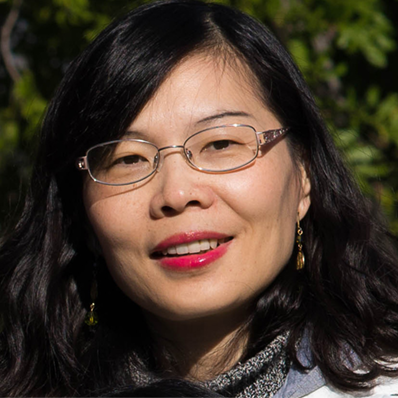
Tao, Huizhong W.
Professor of Physiology and Neuroscience
My lab studies how the mouse brain processes visual information and transforms it into behavior. Our research focuses on identifying the neural circuits involved in visual perception and how these circuits drive visually guided actions. We use a combination of techniques—including electrophysiology to record neural activity, microendoscopic calcium imaging to monitor populations of neurons in freely moving animals, and both optogenetics and chemogenetics to precisely manipulate specific circuit components. By integrating these approaches, we aim to understand how visual signals are encoded, transmitted, and used to guide behavior at the level of individual neurons and larger networks.

Zhao, Zhen
Assistant Professor of Physiology & Neuroscience
I received my Ph.D. in neuroscience from the University of Southern California (USC) in 2009, continued my journey at USC as a postdoctoral fellow in 2010, and was promoted to tenure-track assistant professor at in 2017. My scientific training and research expertise covers neurosciences and immunology, as I was mentored by several renowned mentors in these fields, particularly Dr Berislav Zlokovic on blood-brain barrier and neurodegenerative diseases. Currently, my main research objective is to explore the genetic, molecular and cellular mechanisms of neurodegeneration, understand the crosstalk between the cell types of the brain and explore new approaches to restore the functional crosstalk for the treatment of neurodegenerative diseases.