


Lee, Darrin Jason
The focus of my laboratory is to explore the underlying mechanisms and potential of neuromodulation for cognitive dysfunction and psychiatric disorders, such as Alzheimer’s disease, Parkinson’s disease, epilepsy, depression, obsessive compulsive disorder and schizophrenia. Specifically, we utilize multiple depth electrode local field potential recordings and functional ultrasound imaging to evaluate simultaneous electrophysiology, cerebral blood flow and functional connectivity in these disorders. Using these tools, our goal is to better understand the underlying pathophysiology and optimize our neuromodulation strategies. Our aim is to translate our preclinical findings into clinically relevant neuromodulation treatments. My clinical research is focused on evaluating potential new indications and targets for neuromodulation, such as deep brain stimulation (DBS), spinal cord stimulation and focused ultrasound.


Lee, Sun Young
Associate Professor of Ophthalmology and Physiology and Neuroscience
LeeRetinaLab investigates the pathobiology of age-related macular degeneration and diabetic retinopathy, with a focus on developing extracellular vesicle (EV)-based therapeutics. Our team has expertise in small EV (sEV) isolation, characterization, and bioengineering, and we regularly work with relevant animal models. To optimize sEV-based intraocular therapies, we apply both conventional and advanced technologies, including single-particle analysis, nano-flow cytometry, digital PCR, cryo-EM, and multi-omics approaches (transcriptomics, proteomics, lipidomics, and metabolomics). We take a multidisciplinary approach and collaborate closely with experts in bioengineering, regenerative medicine, and gene therapy to accelerate translational outcomes and therapeutic innovation in retinal disease research.
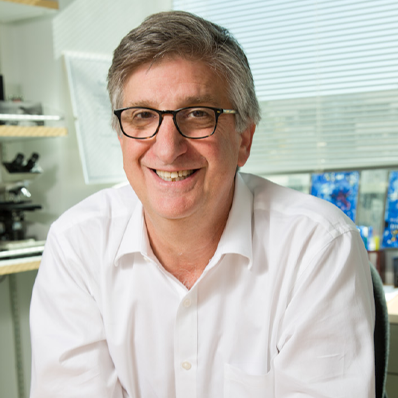
Levitt, Pat
The research projects are driven by a talented group of postdoctoral fellows, graduate students, research staff and collaborating faculty. Our laboratory is unique in undertaking both basic and clinical research projects. Research projects investigate the development of brain architecture underlying emotional and social behavior and learning, the challenges that arise when neurodevelopment is derailed, and determining why brain and certain medical disorders often co-occur in children. The basic science projects are focused how genes and prenatal and early postnatal environments together influence typical and atypical development. The clinical research projects focus on understanding the impact of early experiences, positive (social connectedness) and negative (early life adversities - neglect/abuse) on healthy brain and child development and the impact on metabolic health.

Liman, Emily
Harold W. Dornsife Chair in Neuroscience and Professor of Biological Sciences
The Liman lab studies how ion channels enable sensory cells to convert chemical and mechanical cues into electrical signals. We discovered the Otopetrin (OTOP) family of proton-selective ion channels and showed that OTOP1 is the long-sought sour-taste receptor as well as a detector of ammonium. Using patch-clamp electrophysiology, structure-guided mutagenesis, cryo-EM, and in vivo genetics we aim to reveal how protons permeate OTOP pores, how gating is tuned by pH and lipids, and how channel activity shapes taste, balance, and metabolic physiology. Ongoing projects extend these questions to other OTOP isoforms combining medium-throughput screening with computational modeling to identify first-in-class modulators and mouse genetics to identify and manipulate cells that express OTOP channels. Students gain rigorous cross-disciplinary training in membrane biophysics and sensory neuroscience while working in a collaborative, inclusive environment.


Lyden, Patrick
Professor of Physiology and Neuroscience and Neurology
The Lyden lab has been funded by NIH, VA and AHA for over 30 years. The lab is focused on translational pre-clinical stroke modeling, pharmacology, and vascular biology. The lab has considerable experience with a variety of animal models; behavioral testing; histology; and cell biology. The lab was selected by NINDS to develop and manage the Stroke Preclinical Assessment Network (SPAN) as the Coordinating Center. Current projects include studies to determine the mechanisms of differential vulnerability in the neurovascular unit; effects of microglial activation on neuronal survival; and blood brain barrier disruption during stroke and mild traumatic brain injury.
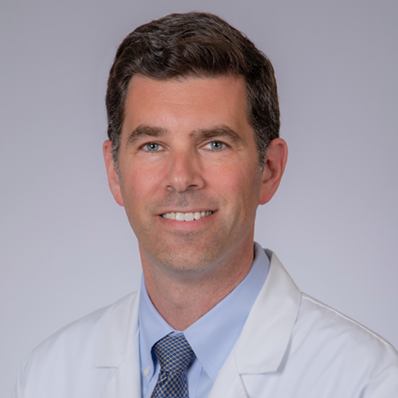
Mack, William
Professor of Neurological Surgery (Clinical Scholar)
Dr. Mack is the Principal Investigator and Director of the Cerebrovascular Laboratory in the Zilkha Neurogenetic Institute. His overarching academic goal is to examine the effects of inflammation in experimental models of cerebrovascular disease.