


Chang, Karen T.
Associate Professor of Physiology and Neuroscience
Our lab is interested in understanding how neurons communicate with high fidelity to support complex brain functions. We aim to uncover the molecular and cellular mechanisms that enable precise synaptic signaling and to explore how disruptions in these processes contribute to neurodevelopmental and neurodegenerative disorders. Using Drosophila melanogaster as a genetically tractable model system, we integrate electrophysiology, molecular biology, confocal imaging, proteomics, and behavioral analysis to investigate synaptic function and plasticity.


Chen, George
The Chen Lab at Children's Hospital Los Angeles integrates functional genomics, bioinformatics, and basic neuroscience to advance our understanding of neurodevelopmental disorder pathogenesis and to accelerate treatment development.


Chen, Jeannie
Professor of Physiology and Neuroscience
The major focus of my laboratory is to study sensory neuron signaling and mechanisms of retinal degeneration and neurodegeneration using cell culture and rodent models. Through interdisciplinary collaboration, we deciphered basic mechanisms of sensory neuron signal transduction and disease pathogenesis in retinal degeneration and neurodegeneration where protein mis-folding and aggregation is an underlying cause of disease.

Coba, Marcelo
Neurodevelopmental neurodegenerative and psychiatric disease are complex brain disorders, and a multitude of genes have been described to contribute to their pathology with different penetrance. Human genetic studies have discovered many genes associated with disease susceptibility that are usually described as risk factors. For each of these disorders, synaptic proteins have been implicated, in particular those involved in synaptic plasticity and protein complexes associated to the post-synaptic density (PSD). Despite these discoveries, there has been a gap in understanding the underlying mechanisms that contribute to cellular dysfunction in these disorders. Our long-term goal is to determine how candidate risk factors are functionally integrated and how mutations affect their function, not individually, but in developmental signaling networks.


Cortes, Constanza
Assistant Professor of Gerontology
We investigate the mechanisms of exercise-associated neuroprotection in the context of aging and Alzheimer's disease. We utilize transgenic exercice-mimetic transgenic mice in combination with running interventions to isolate and prioritize novel 'exerkines' to move into pre-clinical trials. We are also building an 'exercise atlas' of the brain across the lifespan, with the ultimate goal of developing exercise in a pill as a novel intervention for Alzheimer's disease
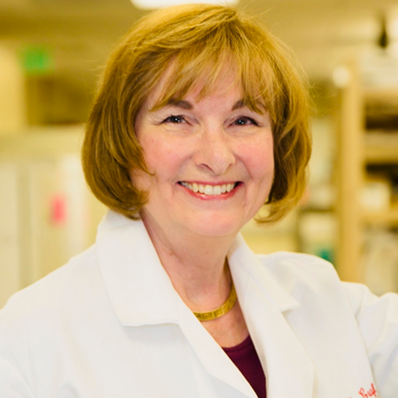
Craft, Cheryl Mae
My well established vision research program encompasses my passion for discovery and deciphering rod and cone phototransduction mechanisms in health and disease using animal models for retinal degeneration. Throughout my academic career my research discoveries identified key genes in the pineal and retina, including arrestins to maintain normal high acuity vision. Currently, my personal goals include developing alternative therapeutic rescue treatment strategies with replacement gene therapy and in vitro stem cell technology. With Cobrinik and collaborators, we identified key developmental cone regulators controlling retinoblastoma genesis. I strongly believe in the importance of mentoring vision and clinician scientists and providing medical ethical training doctoral and medical students, and society.