

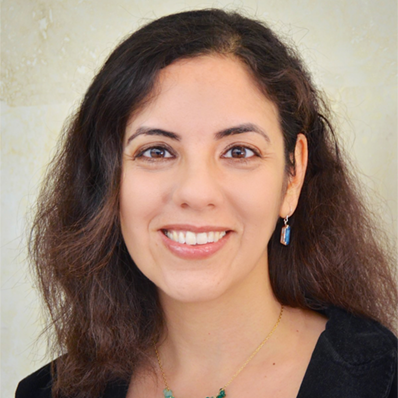
Aziz-Zadeh, Lisa
Associate Professor of Occupational Science, Psychology and Neurology
The Center for the Neuroscience of Embodied CognitionWe explore how rudimentary sensory-motor areas may be intrinsically involved in processing aspects of higher cognition such as language, thought, emotions, empathy, and social communication. We study both typical populations and autism, using MRI and behavioral studies, also integrating microbiome research.

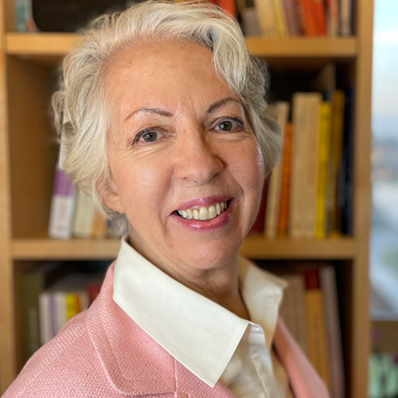
Baker, Laura A.
Gene-environment interplay in human behavior, including personality, cognitive and social development. Rich datasets from longitudinal twin study of risk factors for externalizing behavior problems available for analysis.


Barakat, Rita
Assistant Professor (Teaching) of Biological Sciences
My current research focuses on exploring the link between executive functioning and language, testing the "Bilingual Advantage" hypothesis using a computer-based version of the Stroop Task. My primary role within NGP and at USC is to teach undergraduate and graduate courses in neuroscience, cell biology and physiology, as well as provide curricular supportand advise graduate students. I am also the chair of the NGP Diversity Committee and participate in/ lead several DEI-focused initiatives at USC.

Bienkowski, Michael
Assistant Professor of Physiology and Neuroscience and Biomedical Engineering
Our lab investigates brain cell types, their susceptibility to disease, and how biomedical treatments can slow or prevent neurodegeneration. We have a wide variety of collaborative research projects using animal models of retinal diseases and Alzheimer’s disease (mice, rats, rabbits) as well as studies in post-mortem human samples. We use cutting-edge multidisciplinary approaches to characterize brain cell types and their neurodegeneration including viral tract tracing connectomics, spatial transcriptomics, 3D neuronal reconstruction, and digital pathology/machine learning.

Boato, Francesco
The Functional Repair and Axonogenesis (FRA) lab investigates how the central nervous system (CNS) is wired during development and how these pathways can be reactivated and modulated to promote repair after injury, particularly in the spinal cord and optic nerve. We study growth pathways, axon guidance cues, and neuron-glia interactions that shape connectivity in the CNS. By combining genetic, molecular, behavioral and advanced imaging approaches, we examine neuronal migration, synaptogenesis, and responses to injury. Our goal is to uncover fundamental mechanisms that can be leveraged to drive regeneration, circuit formation and functional recovery in neurological disorders. Trainees will join a collaborative, interdisciplinary environment and will gain experience at the interface of developmental neurobiology and CNS regeneration.
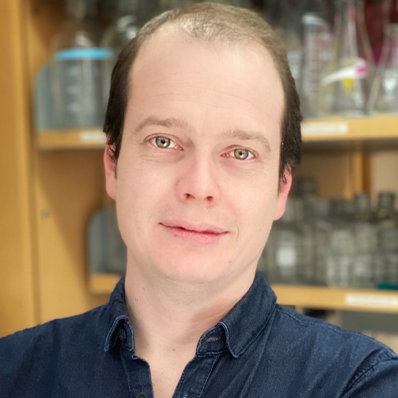
Borner, Tito
Assistant Professor of Biological Sciences
The whole of his research career focuses on deepening our understanding of how nerve cells control food intake under both normal physiological conditions and when conditions go awry, such as when disease sets in. His overarching research goal is to investigate and identify the components and pathways within the central nervous system that mediate anorexia (loss of appetite), nausea, vomiting (emesis), and weight loss in pre-clinical models. This exploration focuses on understanding how these symptoms manifests after various diseases and, importantly, how they can be prevented, which special emphasis on chronic conditions such as cancer and diabetes.