


Choupan, Jeiran
Assistant Professor of Research Neurology
I have been working in the field of neuroimage processing and computational neuroscience since 2009. My focus is on employing advanced neuroimaging and machine learning techniques to improve structural and functional mapping of the brain to study neurodegenerative disorders. In particular, my main research focus is on mapping vascular and perivascular features of the brain across lifespan in health and in the presence of cognitive decline and dementia. Perivascular space is a major component of the brain clearance system and plays an important role in maintaining a healthy functioning brain, particularly in elderly and individuals at risk of neurodegenerative disease.

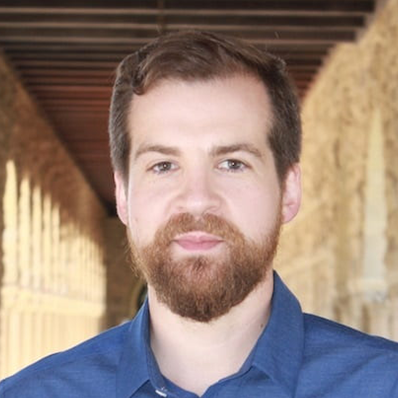
Gati, Cornelius
Assistant Professor of Biological Sciences
Structural biology, biophysics and pharmacology, with a focus on GPCRs and membrane transporters.

Hahn, Joel
Associate Professor (Research) of Biological Sciences
The overall goal / objective of my research is to increase scientific understanding of the fundamental structure/function relations of the nervous system. Using a variety of research methods, I have investigated neural circuits relating to specific functions (for example, neuroendocrine control of reproduction, eating, and agonistic behaviors), as well as high-level global network organization of the brain. My current research is geared mostly to developing and investigating nervous system network models, and to building tools and resources for systems neuroscience, and more recently for comparing neuroanatomical ontologies within and between species, to simplify and enable more accurate interpretation and communication of neuroscience data.
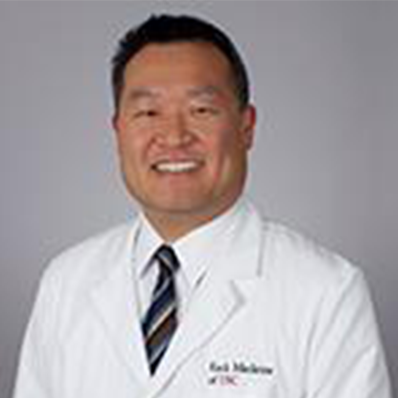
Han, S.Duke
Professor of Psychology and Family Medicine
The Han Research Laboratory is dedicated to improving the health, wellbeing, and independence of adults living into old age. We are interested in investigating the diverse factors and neurobiological mechanisms that impact cognition and decision making across the lifespan using multidisciplinary approaches informed by the fields of neuropsychology, cognitive and systems neuroscience, epidemiology, genetics, and behavioral economics.

Immordino-Yang, Mary Helen
Professor of Education, Psychology & Neuroscience
Professor Mary Helen Immordino-Yang is the Director of USC CANDLE (Center for Affective Neuroscience, Development, Learning and Education). CANDLE’s mission is to bring developmental affective neuroscience into partnership with educational innovation, and to use what is learned to guide the transformation of schools, policy, and the student and teacher experience for a healthier and more equitable society. Our research involves analyzing multi-modal data, including functional and structural neuroimaging (MRI, EEG), and psychophysiological data, from mixed-method studies of adolescent development and effective teaching. During the 2025-2026 academic year, CANDLE will be designing, developing stimuli and collecting data for an upcoming longitudinal study of adolescents’ brain and psychosocial development.