

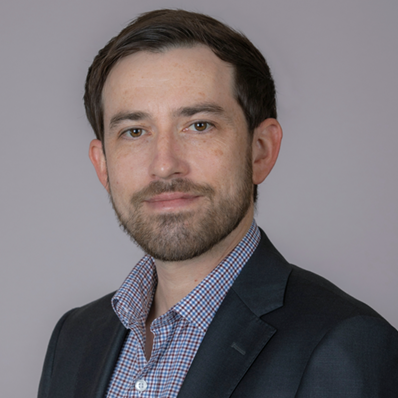
Dewey, James
Assistant Professor of Otolaryngology-Head and Neck Surgery
The Dewey Lab studies the mechanical processes that underlie normal hearing and how these processes are affected in hearing-impaired ears. Current topics of investigation include (1) how sound causes the structures within the cochlear spiral to vibrate, (2) how these vibrations are amplified by the sensory outer hair cells, and (3) how this amplification process leads to the emission of sound by the ear.

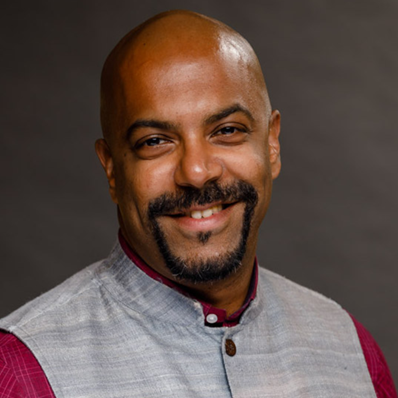
Dias, Brian George
Associate Professor of Developmental Neuroscience & Neurogenetics
Our research seeks to understand not only how mammalian neurobiology, physiology and reproductive biology is impacted by psychosocial and nutritional stress but also how parental legacies of such stressors influence offspring. To achieve this understanding, we employ a lifespan approach to study how stressors affect: sperm/egg/embryo (pre-conceptional stress), the gestating fetus (in utero stress), and the developing infant (post-natal stress). Our experimental approaches include assaying learning-memory-motivation, virus-mediated manipulation of neuronal activity and gene expression, (epi)genetic profiling of cells, in vivo fiber photometry and induced pluripotent stem cells (iPSCs).

Hahn, Joel
Associate Professor (Research) of Biological Sciences
The overall goal / objective of my research is to increase scientific understanding of the fundamental structure/function relations of the nervous system. Using a variety of research methods, I have investigated neural circuits relating to specific functions (for example, neuroendocrine control of reproduction, eating, and agonistic behaviors), as well as high-level global network organization of the brain. My current research is geared mostly to developing and investigating nervous system network models, and to building tools and resources for systems neuroscience, and more recently for comparing neuroanatomical ontologies within and between species, to simplify and enable more accurate interpretation and communication of neuroscience data.
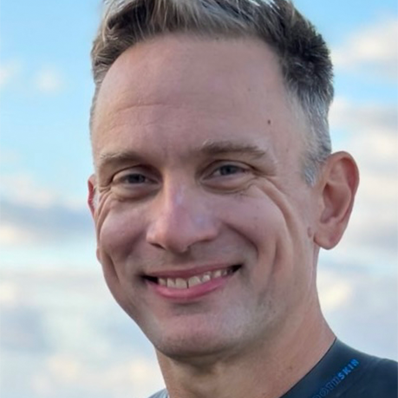
Hires, Samuel Andrew
Associate Professor of Biological Sciences
The Hires lab is investigating the basis of biological intelligence. Over the past decade we developed numerous imaging tools to record large-scale patterns of neural activity that are used by thousands of neuroscience labs. These have resulted in hundreds of publicly available datasets embedded with rich representations of neural activity. We are now developing analytical tools, using recent AI developments, to ultimately distill undiscovered principles of biological intelligence from these datasets.
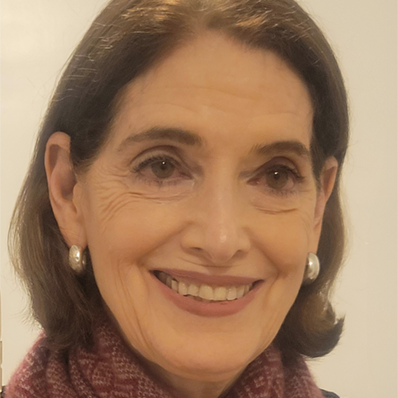
Hirsch, Judith A.
Gabilan Distinguished Professorship in Science and Engineering and Professor of Biological Sciences
Our laboratory studies the thalamus, the interface between neocortex and the sensory periphery. Thalamus was once regarded as a simple gatekeeper, passively relaying information during waking and shielding neocortex from disturbance during sleep, but this is an impoverished view. We explore how thalamus, itself, contributes to sensory integration. In particular, we study the structure of neural circuits in the visual part of thalamus, how these operate during vision and how they extract and recode information from the eye. Our work shows how thalamus might contribute to visual processing by, for example, sharpening the visual image and increasing the efficiency of the neural code. Because circuits in different parts of thalamus are similar, our work pertains to thalamic function in general.

Holschneider, Daniel P.
Professor of Psychiatry & the Behavioral Sciences
Our laboratory focuses on brain imaging in awake, behaving rodents. We use classic methods like autoradiography and positron emission tomography, along with histologic approaches and 3D brain reconstruction. We have been amongst the first to adapt analytic methods that are part of the human functional neuroimaging toolbox (statistical parametric mapping, functional connectivity, network analysis) to autoradiographic and histologic whole brain data sets. This enables voxel-based exploration of cerebral function in models of dopaminergic deafferentation, Huntington’s Disease, brain injury, fear, stress, hyperalgesia, gut microflora alterations, and chemogenetic knockdown. Our expertise includes functional brain mapping, animal behavior, physiologic monitoring (EEG, EMG, EKG, cardiac output), and histochemistry.