
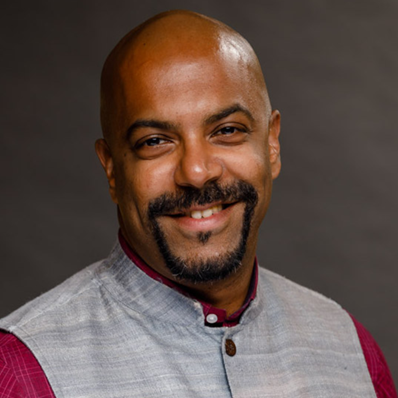
Dias, Brian George
Associate Professor of Developmental Neuroscience & Neurogenetics
Our research seeks to understand not only how mammalian neurobiology, physiology and reproductive biology is impacted by psychosocial and nutritional stress but also how parental legacies of such stressors influence offspring. To achieve this understanding, we employ a lifespan approach to study how stressors affect: sperm/egg/embryo (pre-conceptional stress), the gestating fetus (in utero stress), and the developing infant (post-natal stress). Our experimental approaches include assaying learning-memory-motivation, virus-mediated manipulation of neuronal activity and gene expression, (epi)genetic profiling of cells, in vivo fiber photometry and induced pluripotent stem cells (iPSCs).

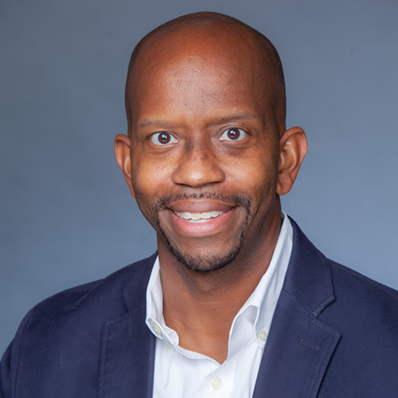
Finley, James
Associate Professor of Biokinesiology and Physical Therapy
In the USC Locomotor Control Lab, we seek to understand how walking is controlled and adapted in both the healthy and injured neuromuscular systems. We develop models and experiments based on principles of neuroscience, biomechanics, engineering, and exercise physiology to identify the factors that guide locomotor learning and rehabilitation. Ultimately, the goal of our work is to design novel and effective interventions to improve walking ability in individuals with damage to the nervous system.
Hahn, Joel
Associate Professor (Research) of Biological Sciences
The overall goal / objective of my research is to increase scientific understanding of the fundamental structure/function relations of the nervous system. Using a variety of research methods, I have investigated neural circuits relating to specific functions (for example, neuroendocrine control of reproduction, eating, and agonistic behaviors), as well as high-level global network organization of the brain. My current research is geared mostly to developing and investigating nervous system network models, and to building tools and resources for systems neuroscience, and more recently for comparing neuroanatomical ontologies within and between species, to simplify and enable more accurate interpretation and communication of neuroscience data.

Herring, Bruce
Associate Professor of Biological Sciences
The Herring lab integrates in vivo calcium imaging, machine learning-enhanced behavioral analysis, and ex vivo brain slice electrophysiology to understand the development of ASD/ID and psychiatric disorders in the brain.

Herting, Megan
Associate Professor of Population and Public Health Sciences
Our laboratory uses advanced MRI neuroimaging techniques to investigate how the brain develops during childhood and adolescence. Our research focuses on both internal and external risk factors, like hormones, air pollution, and physical activity on brain outcomes like structure, function, cognition, and mental health.
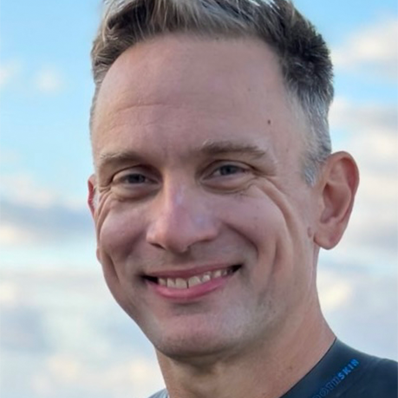
Hires, Samuel Andrew
Associate Professor of Biological Sciences
The Hires lab is investigating the basis of biological intelligence. Over the past decade we developed numerous imaging tools to record large-scale patterns of neural activity that are used by thousands of neuroscience labs. These have resulted in hundreds of publicly available datasets embedded with rich representations of neural activity. We are now developing analytical tools, using recent AI developments, to ultimately distill undiscovered principles of biological intelligence from these datasets.