

Schwartzman, Jessica
Assistant Professor of Clinical Pediatrics
The Training and Research to Empower NeuroDiversity (TREND) Lab uses multi-method approaches, including electroencephalogram (EEG), behavioral observation and clinical interviews to study risk and protective factors for depression, suicide, and other mental health outcomes in youth with autism and other neurodivergent conditions. We also partner with autistic and other neurodivergent people to adapt and design treatments for the individual and family. The TREND Lab focuses on characterizing and treating adverse mental health outcomes in youth with autism and other neurodivergent conditions.

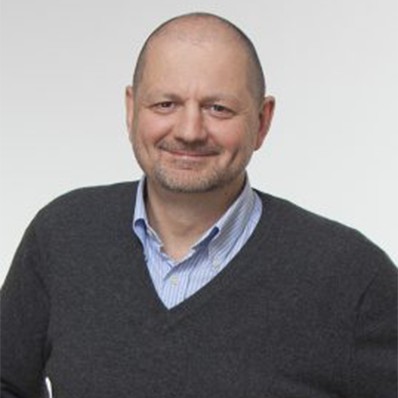
Schweighofer, Nicolas
Professor of Biokinesiology and Physical Therapy
Nicolas Schweighofer is a professor of biokinesiology and physical therapy and holds joint appointments in computer science, biomedical engineering and neuroscience at USC. He is also the director of the Center for Statistics and Computation in Biokinesiology. He co-founded computational neurorehabilitation, an emerging field at the intersection of neurorehabilitation, computational neuroscience, motor control and learning, and artificial intelligence (AI). The overarching goals of computational neurorehabilitation are to understand and to further improve motor recovery following neurologic injury by mathematically modeling and simulating the neural processes underlying the change in behavior due to rehabilitation. In his current research, he is investigating how predictive models of recovery, informed by the neuroscience of stroke recovery and motor learning, as well as large datasets, can provide the basis for AI methods that suggest timing, dosage and content of rehabilitation. Such an approach will transform neurorehabilitation by guiding clinicians, patients and healthcare providers in the optimization of treatments via precision rehabilitation.

Sieburth, Derek
Associate Professor of Physiology & Neuroscience
Our lab is interested in understanding how neuronal signal transduction pathways regulate neurotransmitter secretion and how this impacts the function of underlying neuronal circuits that control behavioral output.
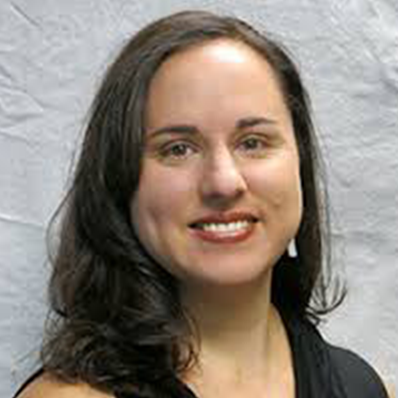

Song, Dong
Associate Professor of Neurological Surgery and of Biomedical Engineering
Dr. Dong Song is an Associate Professor of Neurological Surgery and Biomedical Engineering and Director of the Neural Modeling and Interface Laboratory at the University of Southern California (USC). Dr. Song received his B.S. degree in Biophysics from the University of Science and Technology of China in 1994 and his Ph.D. degree in Biomedical Engineering from USC in 2004. His research aims to develop biomimetic devices that can be used to treat neurological disorders. Specifically, his group uses a combined experimental and computational strategy to (1) understand how brain regions such as the hippocampus perform cognitive functions, (2) develop next-generation modeling and neural interface methodologies to investigate brain functions during naturalistic behaviors, and (3) build cortical prostheses that can restore and enhance cognitive functions lost in diseases or injuries. He received the James H. Zumberge Individual Award at USC in 2008, the Outstanding Paper Award of IEEE Transactions on Neural Systems and Rehabilitation Engineering in 2013, and the Society for Brain Mapping and Therapeutics Young Investigator Award in 2018. Dr. Song has published over 190 peer-reviewed journal articles, book chapters, and conference papers. He is a member of the Biomedical Engineering Society, IEEE, Society for Neuroscience, and National Academy of Inventors. Dr. Song’s research has been supported by DARPA, NSF, and NIH.

Sowell, Elizabeth
Professor of Pediatrics, Neurology, and Psychology
My resaerch focuses on how the human brain develops and how it relates to functioning in the developmental environment. I am the principal invcestigator of the Adolescent Brain Cognitive Development (ABCD) study at CHLA within the department of Pediatrics at the Keck School of Medicine at USC. I am particularly interested in the impact of socioeconomic status and environmental toxins on pre and post-natal brain development.