
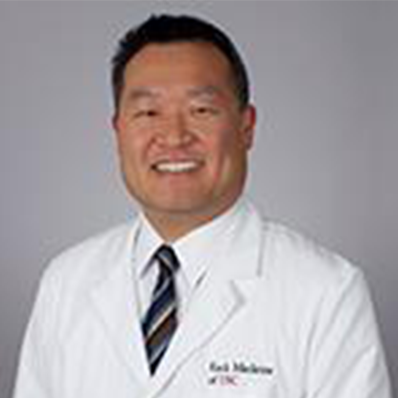
Han, S.Duke
Professor of Psychology and Family Medicine
The Han Research Laboratory is dedicated to improving the health, wellbeing, and independence of adults living into old age. We are interested in investigating the diverse factors and neurobiological mechanisms that impact cognition and decision making across the lifespan using multidisciplinary approaches informed by the fields of neuropsychology, cognitive and systems neuroscience, epidemiology, genetics, and behavioral economics.


Herring, Bruce
Associate Professor of Biological Sciences
The Herring lab integrates in vivo calcium imaging, machine learning-enhanced behavioral analysis, and ex vivo brain slice electrophysiology to understand the development of ASD/ID and psychiatric disorders in the brain.

Herting, Megan
Associate Professor of Population and Public Health Sciences
Our laboratory uses advanced MRI neuroimaging techniques to investigate how the brain develops during childhood and adolescence. Our research focuses on both internal and external risk factors, like hormones, air pollution, and physical activity on brain outcomes like structure, function, cognition, and mental health.
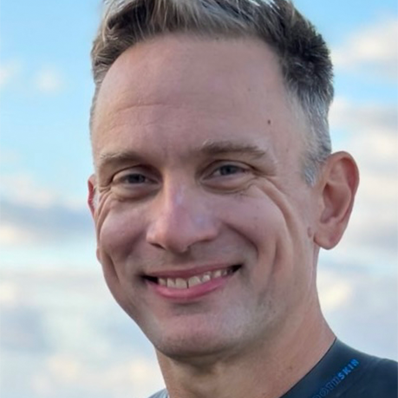
Hires, Samuel Andrew
Associate Professor of Biological Sciences
The Hires lab is investigating the basis of biological intelligence. Over the past decade we developed numerous imaging tools to record large-scale patterns of neural activity that are used by thousands of neuroscience labs. These have resulted in hundreds of publicly available datasets embedded with rich representations of neural activity. We are now developing analytical tools, using recent AI developments, to ultimately distill undiscovered principles of biological intelligence from these datasets.

Holschneider, Daniel P.
Professor of Psychiatry & the Behavioral Sciences
Our laboratory focuses on brain imaging in awake, behaving rodents. We use classic methods like autoradiography and positron emission tomography, along with histologic approaches and 3D brain reconstruction. We have been amongst the first to adapt analytic methods that are part of the human functional neuroimaging toolbox (statistical parametric mapping, functional connectivity, network analysis) to autoradiographic and histologic whole brain data sets. This enables voxel-based exploration of cerebral function in models of dopaminergic deafferentation, Huntington’s Disease, brain injury, fear, stress, hyperalgesia, gut microflora alterations, and chemogenetic knockdown. Our expertise includes functional brain mapping, animal behavior, physiologic monitoring (EEG, EMG, EKG, cardiac output), and histochemistry.
Ichida, Justin
Associate Professor of Stem Cell Biology and Regenerative Medicine
We are interested in understanding mechanisms underlying neurodegenerative and neurodevelopmental diseases. We also aim to develop new therapeutic strategies for these disorders.