
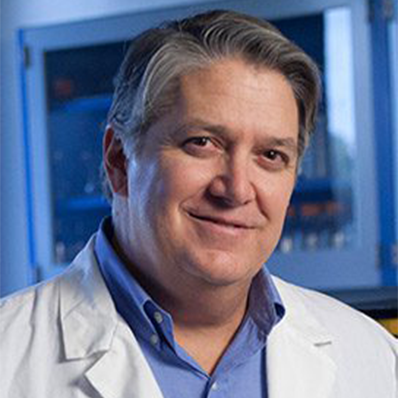
Pike, Christian
Research in the Pike Lab is broadly focused on Alzheimer’s disease (AD), with the general goals of elucidating factors that regulate AD pathogenesis and pursuing translational strategies for the prevention and treatment of the disease. Our approach to investigating research questions involves the use of complementary cellular, biochemical and molecular techniques to analyze relationships in human tissues, rodent models, and cultured cells. Current areas of research focus in the Pike Lab include the contributions of the genetic risk factor APOE4 to AD pathogenesis, sex differences in AD, and the protective efficacy of longevity-promoting interventions including fasting mimicking diet and candidate compounds. We seek to identify and elucidate the mechanisms underlying AD risks and use this information to develop therapeutic interventions.

Piray, Payam
Assistant Professor of Psychology
How do people make sense of incomplete and noisy observations? How do humans make decisions in an uncertain world and how do they learn from their mistakes? We investigate these problems in health and disease using computational and experimental tools.

Read, Stephen J.
Mendel B. Silberberg Professor of Social Psychology and Professor of Psychology
The lab is interested in the neurobiological, motivational, and cognitive bases of human social behavior. A major focus of the lab is the use of computational models (neural network models) and current neurobiological findings and methods to illuminate various aspects of human social thought and behavior. We are especially interested in the integration of computational models with behavioral and neurobiological findings. The lab addresses a number of central topics in human social reasoning and behavior, motivation, depression, and decision-making.
Rissman, Robert
Professor of Physiology and Neuroscience
Dr. Rissman is Professor Physiology and Neuroscience and founding Director of the Neuroscience Translational Research Division (NTRD) of USC’s Alzheimer’s Therapeutic Research Institute in San Diego. Dr. Rissman’s basic science research goal is to identify and validate plasma biomarkers for Alzheimer’s Disease and Related Disorders (ADRD) to better understand mechanisms of neurodegeneration and to streamline clinical trials recruitment. Work from Dr. Rissman’s lab has led to the validation of plasma biomarkers that predict AD brain neuropathology and progression of dementia. Also, through analysis of plasma-derived extracellular vesicles, his group was the first to demonstrate that TDP-43 protein within astrocyte extracellular vesicles can identify Limbic-predominant age-related TDP-43 encephalopathy (LATE).
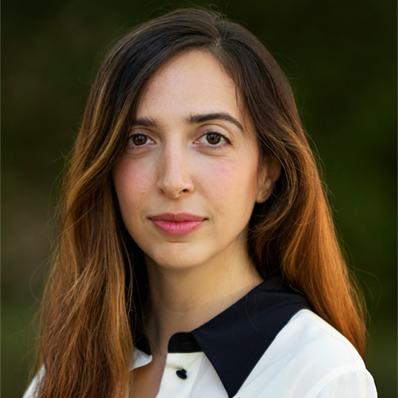
Rouhani, Nina
Assistant Professor of Psychology
The Interactive Cognition Lab uses an interdisciplinary framework, drawing from computational neuroscience, cognitive science and psychology, to uncover how learning and memory processes guide individual and interactive behavior in the laboratory and real world.
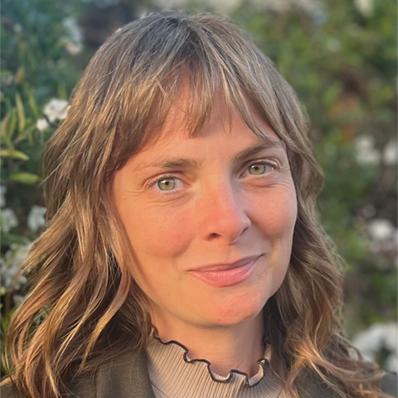
Schier, Lindsey
Associate Professor of Biological Sciences
The Schier lab seeks to understand how the chemical constituents of foods and fluids are sensed, how these oral and postoral signals are processed in the brain and channeled into the behavioral outputs that subserve energy balance.