
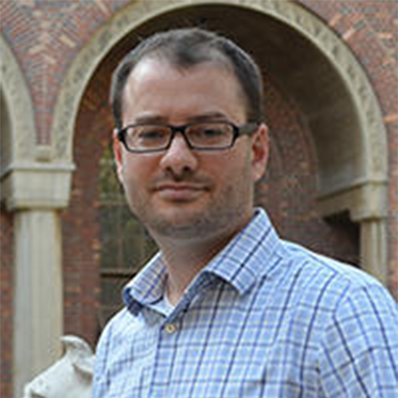
Dickman, Dion
Associate Professor of Biological Sciences
Synaptic development, function, and plasticity in Drosophila.

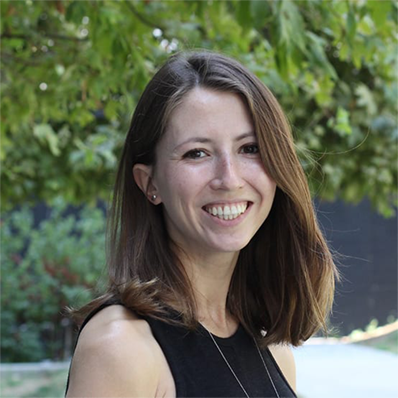
Gnedeva, Ksenia
Our perception of the environment relies on specialized cellular receptors residing in epithelial sensory organs. While olfactory and gustatory receptor cells are naturally reproduced throughout life in order to sustain the senses of smell and taste, age-related degeneration of retinal, auditory, and vestibular sensory organs is largely irreversible in humans. In the Gnedeva laboratory, we interrogate how molecular signaling and tissue mechanics control embryonic sensory organ growth and how the developmental programs of self-renewal and differentiation can be re-initiated in the mammalian inner ear after damage. Although the focus of our research is on hearing and balance restoration, our lab has broader interest in the common mechanisms that suppress regeneration in specialized sensory tissues.
Hahn, Joel
Associate Professor (Research) of Biological Sciences
The overall goal / objective of my research is to increase scientific understanding of the fundamental structure/function relations of the nervous system. Using a variety of research methods, I have investigated neural circuits relating to specific functions (for example, neuroendocrine control of reproduction, eating, and agonistic behaviors), as well as high-level global network organization of the brain. My current research is geared mostly to developing and investigating nervous system network models, and to building tools and resources for systems neuroscience, and more recently for comparing neuroanatomical ontologies within and between species, to simplify and enable more accurate interpretation and communication of neuroscience data.

Herring, Bruce
Associate Professor of Biological Sciences
The Herring lab integrates in vivo calcium imaging, machine learning-enhanced behavioral analysis, and ex vivo brain slice electrophysiology to understand the development of ASD/ID and psychiatric disorders in the brain.
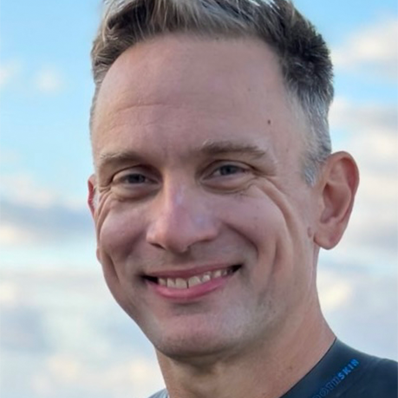
Hires, Samuel Andrew
Associate Professor of Biological Sciences
The Hires lab is investigating the basis of biological intelligence. Over the past decade we developed numerous imaging tools to record large-scale patterns of neural activity that are used by thousands of neuroscience labs. These have resulted in hundreds of publicly available datasets embedded with rich representations of neural activity. We are now developing analytical tools, using recent AI developments, to ultimately distill undiscovered principles of biological intelligence from these datasets.
Ichida, Justin
Associate Professor of Stem Cell Biology and Regenerative Medicine
We are interested in understanding mechanisms underlying neurodegenerative and neurodevelopmental diseases. We also aim to develop new therapeutic strategies for these disorders.