



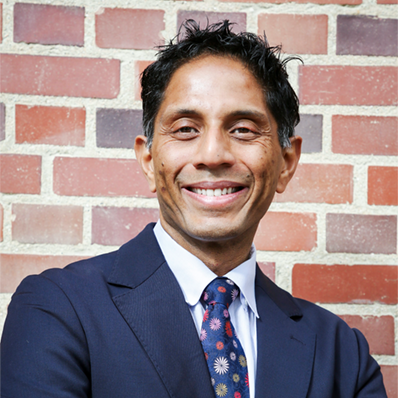
Oghalai, John
Our research is designed to better understand the fundamental changes in the inner ear that underlie progressive hearing loss and to develop novel techniques to treat this problem before it leads to a severe disability. We strive to understand the biological mechanisms of hearing loss and then translate this knowledge to directly and rapidly improve the care of patients with hearing loss.
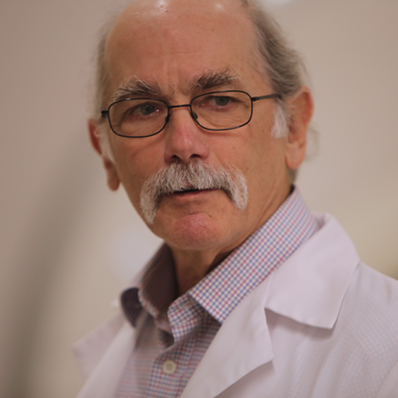
Toga, Arthur
see websites
Wang, Lu
Assistant Professor of Dentistry
Our lab aims to push the boundary of our understanding of human brain in development and related disorders with discoveries focused on non-neuronal cells, environmental stress, and genetic mutations, leveraging the stem cell-based organoid/PCCO-assembled model in combination with the state-of-art genetic and genomic (single cell level) strategies to expand our knowledge of the cell-cell communication, fate dynamics, and niche homeostatic of the non-neuronal cells (astrocytes and pericytes) in health, and emergency rescue when they are under stress or in disease. Ultimately, our collective efforts, alongside those of others in the field, will pave the way for groundbreaking interventions in the realm of neurological disease.
Zhang, Li
Professor of Physiology and Neuroscience
As systems neuroscientists, we aim to decipher brain circuits to understand how perception and behavior arise, how the brain adapts to a dynamic environment, and how circuit dysfunction contributes to neurological and psychiatric disorders. We focus on resolving neural architecture—the wiring of neurons that underlies brain function. Technical innovation is central to our approach. We have developed molecular, genetic, electrophysiological, and imaging tools to study circuits supporting both local computation and behavior. Our research integrates in vivo and in vitro electrophysiology, two-photon calcium imaging, neural modeling, anatomical tracing, and optogenetics to build a comprehensive understanding of cell-type-specific circuit mechanisms.